
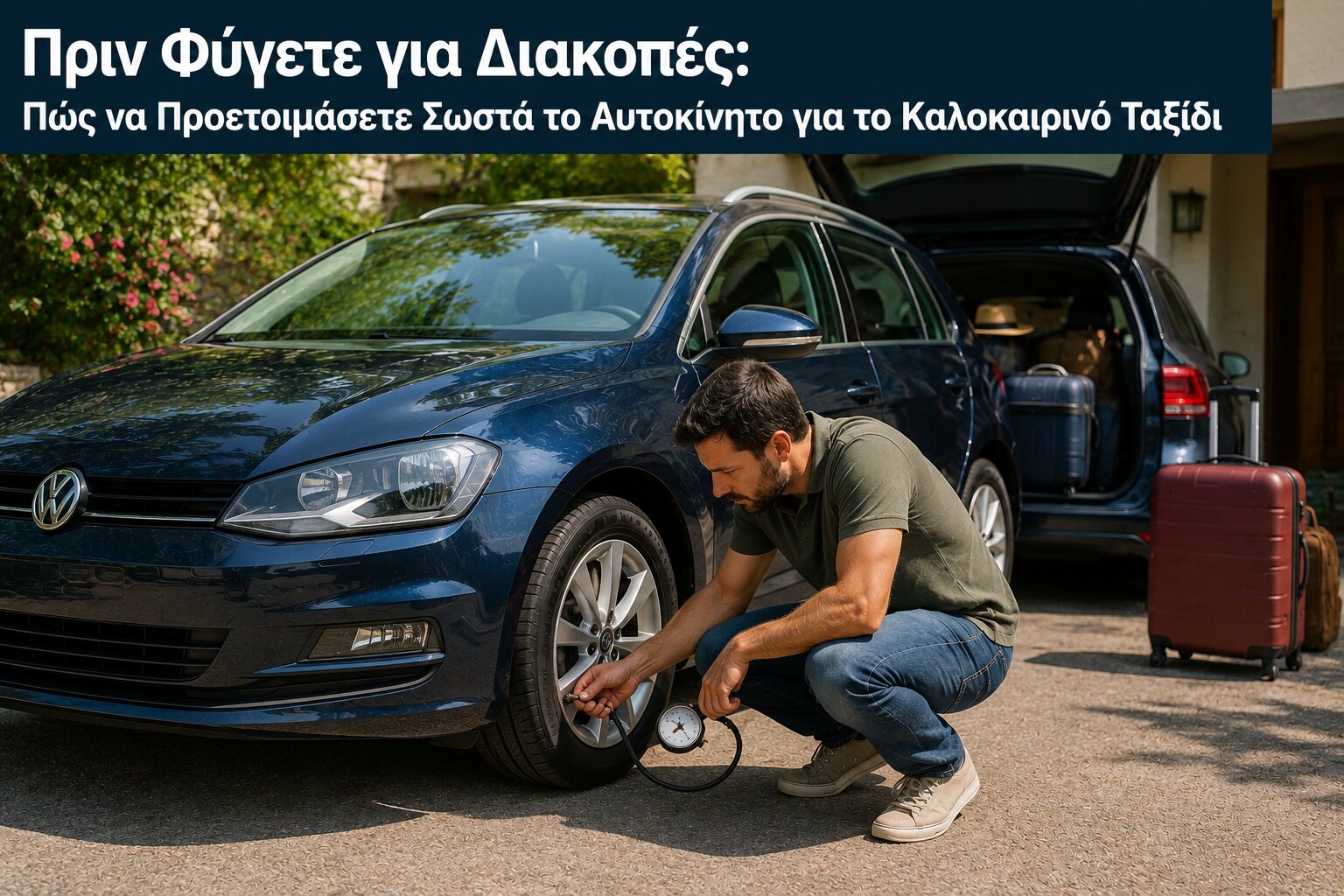
Summer is the busiest travel season of the year, and for many drivers it also means long hours on the road, high temperatures, heavy traffic and fully loaded vehicles. While planning your route and packing your luggage are important, taking a few minutes to prepare your car can help prevent unexpected breakdowns and make your journey safer and more comfortable.
According to the U.S. National Highway Traffic Safety Administration (NHTSA), drivers should inspect key vehicle components before any long summer trip, including tires, cooling system, fluids, battery, brakes, lights and air conditioning.
Check Your Tires First
Your tires are the only part of the vehicle that stays in constant contact with the road, making them one of the most important safety components.
Before leaving, check the tire pressure when the tires are cold and adjust it according to the vehicle manufacturer’s recommended values—not the maximum pressure printed on the tire sidewall.
Inspect each tire for cuts, cracks, bulges or uneven wear, and don’t forget to check the spare tire or tire repair kit if your vehicle is equipped with one.
Driving long distances in high temperatures places additional stress on tires, especially when the vehicle is fully loaded.
Inspect the Cooling System
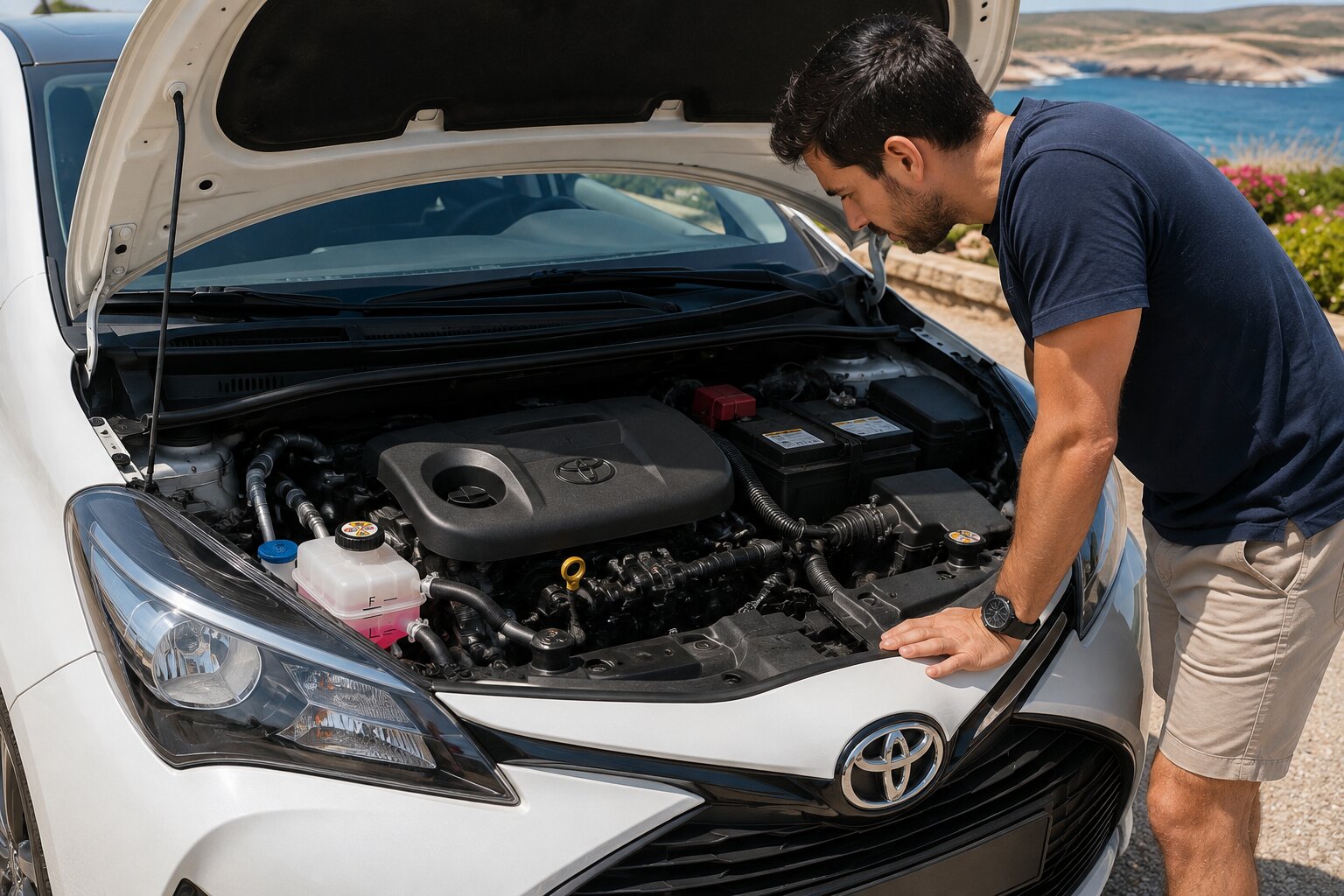
Summer heat increases the workload of your engine’s cooling system.
Check the coolant level and look for any visible leaks around hoses, the radiator or beneath the vehicle. If your temperature gauge has recently shown unusual readings or the engine has overheated, have the cooling system inspected before your trip.
Never remove the radiator or coolant reservoir cap while the engine is hot, as the cooling system is under pressure.
Check Engine Oil and Other Fluids
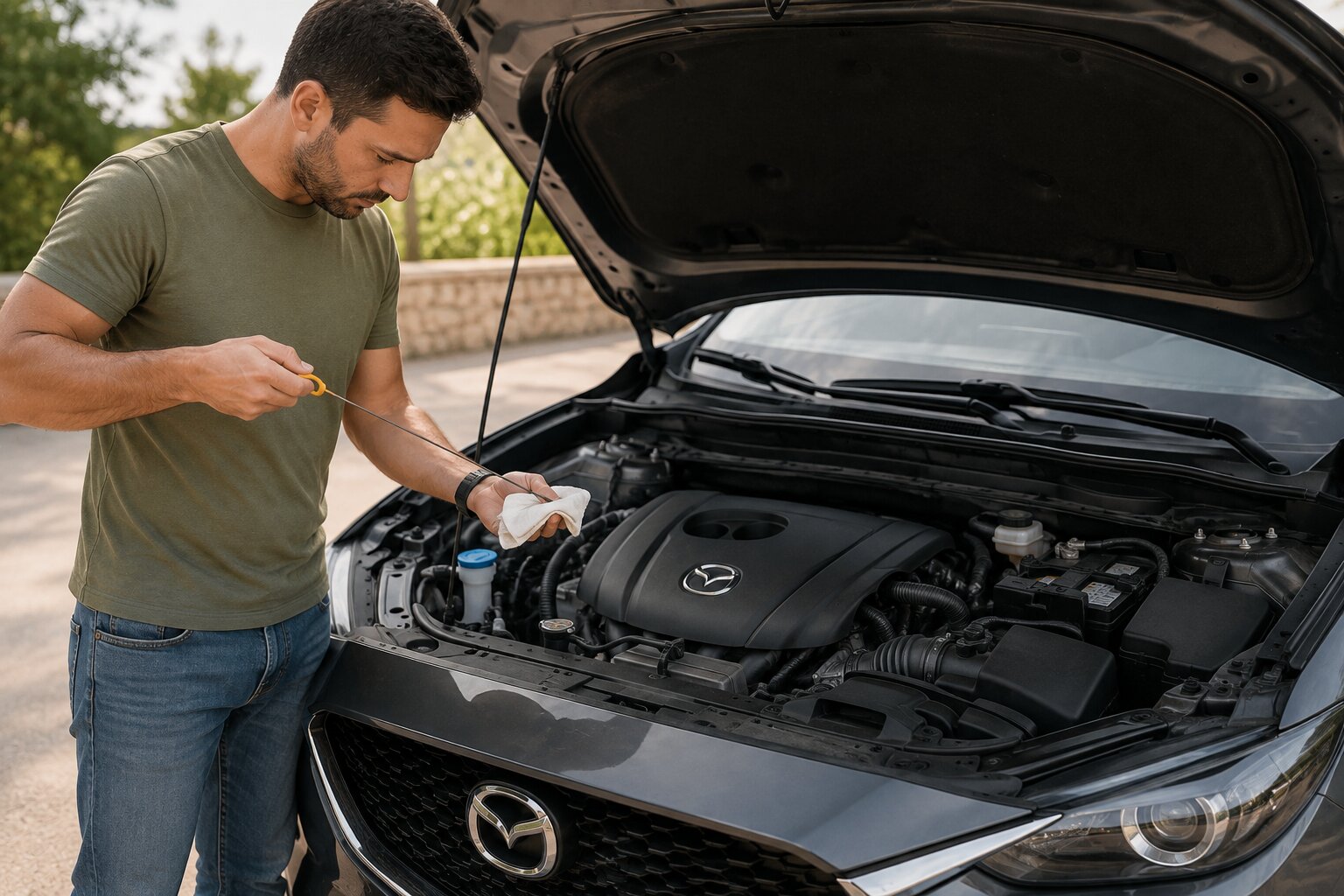
Engine oil plays a critical role in lubricating and cooling engine components during long-distance driving.
Before your trip, check the engine oil level and inspect the condition of other important fluids, including brake fluid, windshield washer fluid and, where applicable, transmission and power steering fluids.
If your scheduled maintenance or oil change is approaching, it is often better to complete it before your vacation.
Test Your Battery
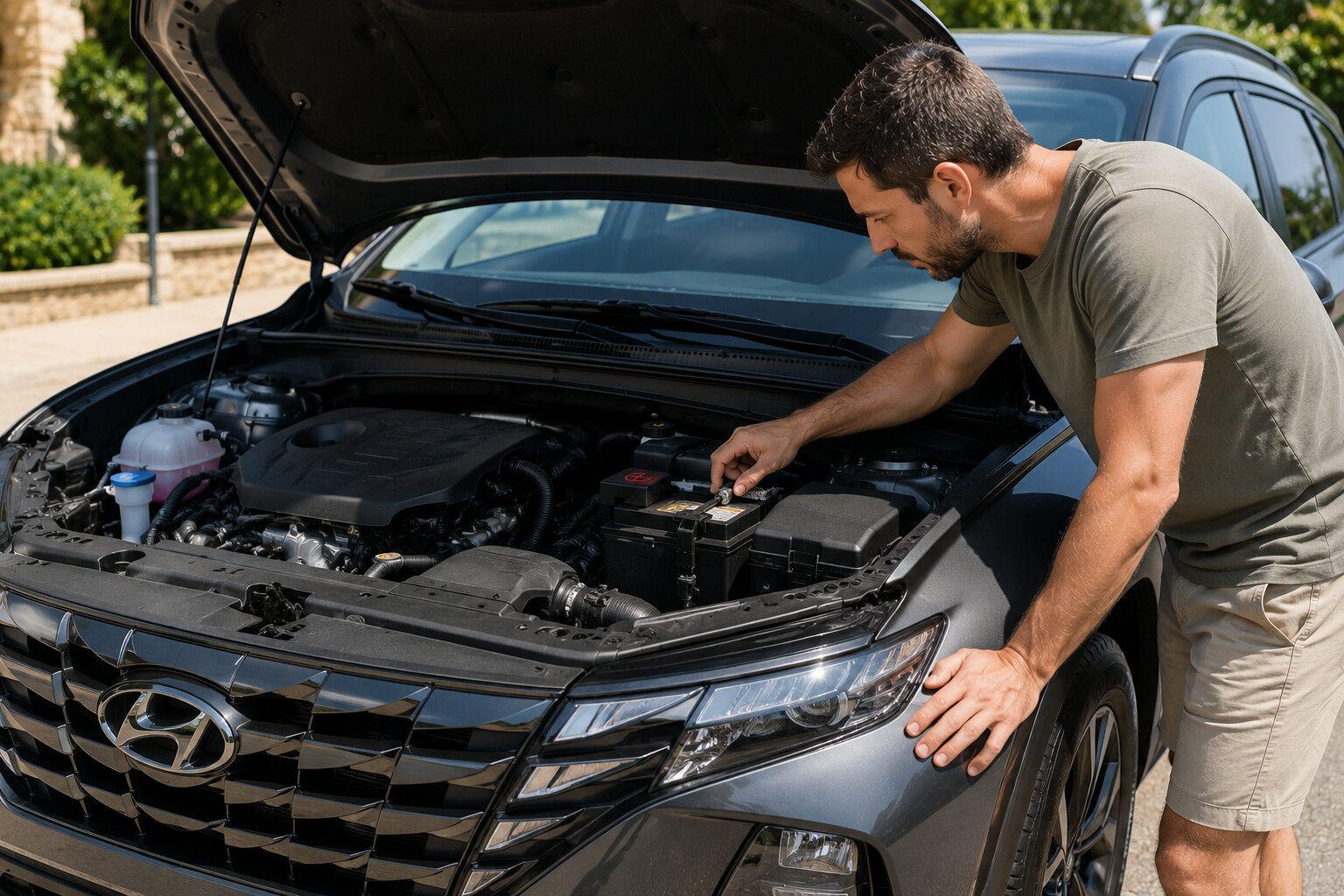
Many drivers associate battery problems with winter, but high temperatures can also shorten battery life.
Heat accelerates internal chemical reactions that may reduce battery performance over time. If your battery is several years old, your engine starts more slowly than usual or you notice electrical issues, consider having the battery tested before traveling.
A battery failure hundreds of miles from home can quickly turn a relaxing holiday into an expensive inconvenience.
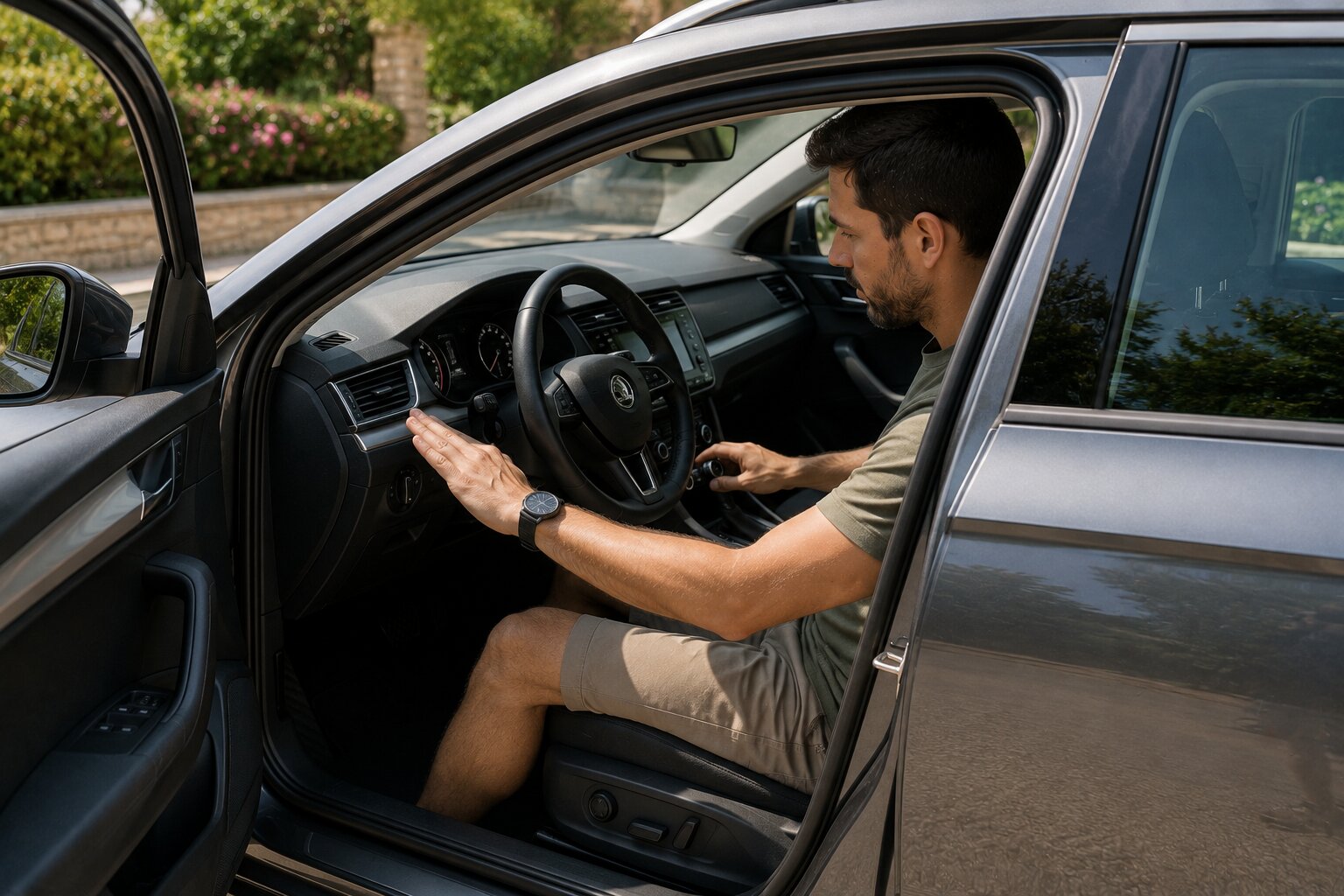
Make Sure the Air Conditioning Works Properly
Air conditioning is more than a comfort feature during summer—it also helps reduce driver fatigue and improves concentration.
Turn on the system before your trip to ensure it cools efficiently. If you notice weak airflow, unpleasant odors or unusual noises, schedule a service inspection.
For faster cooling, ventilate the cabin for a few seconds before switching on the air conditioning. This helps remove trapped hot air and reduces the initial workload on the A/C system.
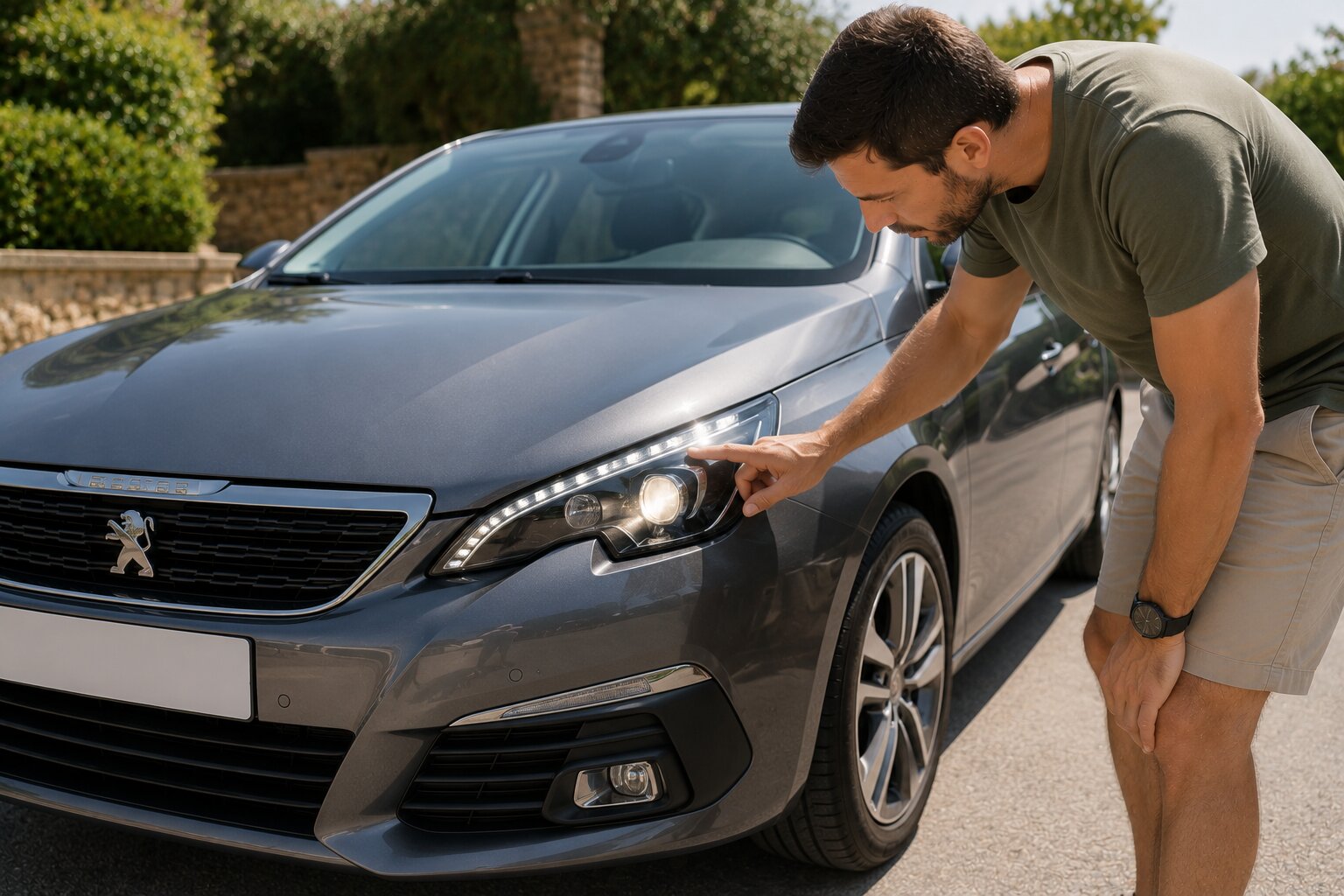
Inspect Brakes, Lights and Wipers
Reliable brakes are essential for safe driving, particularly when traveling on mountain roads or carrying extra passengers and luggage.
Listen for unusual noises, vibrations or changes in brake pedal feel.
Also check:
- Headlights
- Brake lights
- Turn signals
- Hazard lights
Don’t overlook your windshield wipers. Summer storms can reduce visibility within seconds, and worn wiper blades may struggle to clear heavy rain effectively.
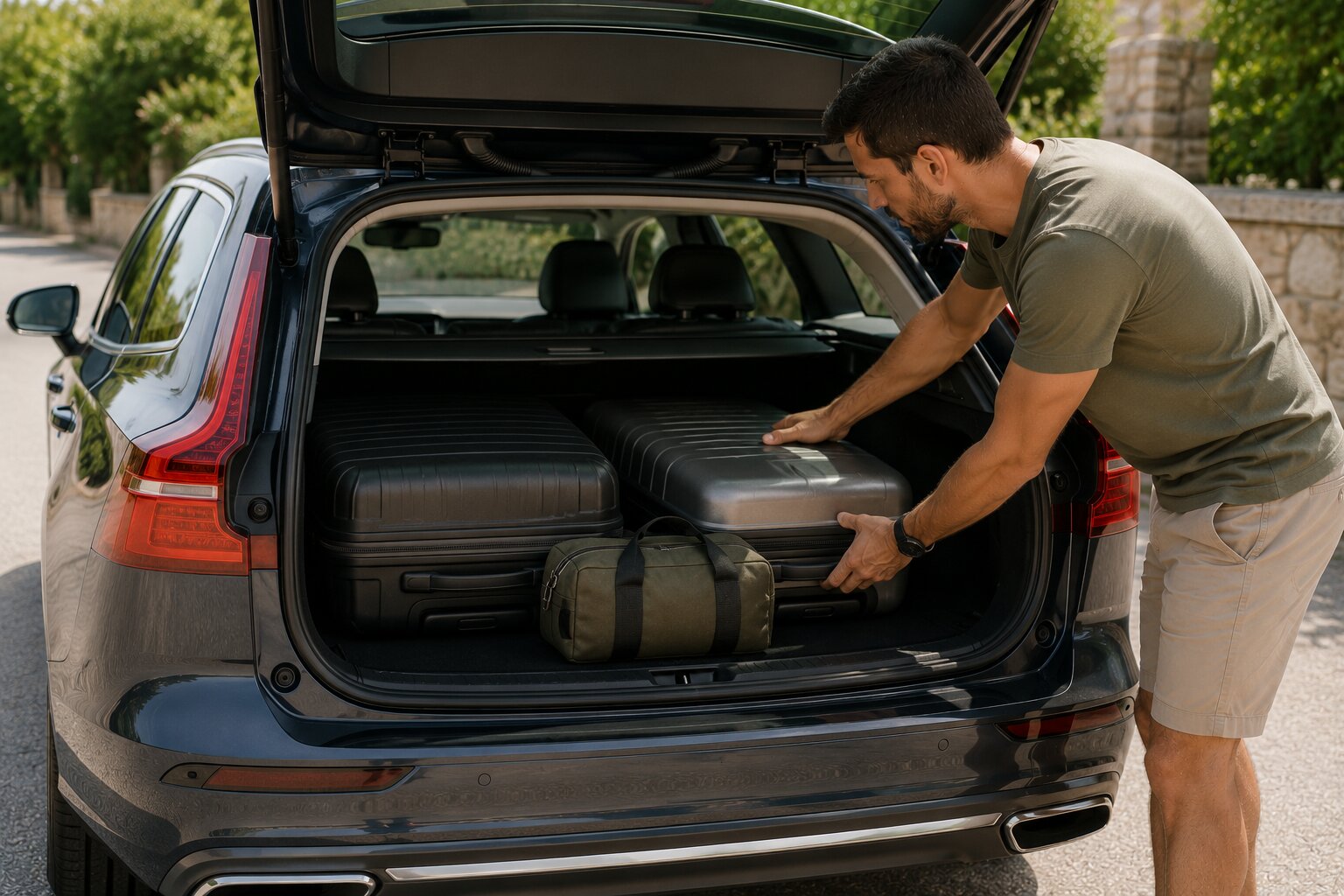
Don’t Overload Your Vehicle
Overloading affects braking distance, tire performance and vehicle stability.
Distribute luggage evenly, secure loose items and never exceed the vehicle manufacturer’s maximum load capacity.
If you’re using a roof box, ensure it is correctly installed and loaded according to the manufacturer’s instructions.

Verify Your Documents
Before leaving, confirm that all necessary documents are available and valid.
These include:
- Driver’s license
- Vehicle registration
- Insurance documents
- Roadside assistance information
If you’re traveling abroad, check whether additional documentation is required for your destination.
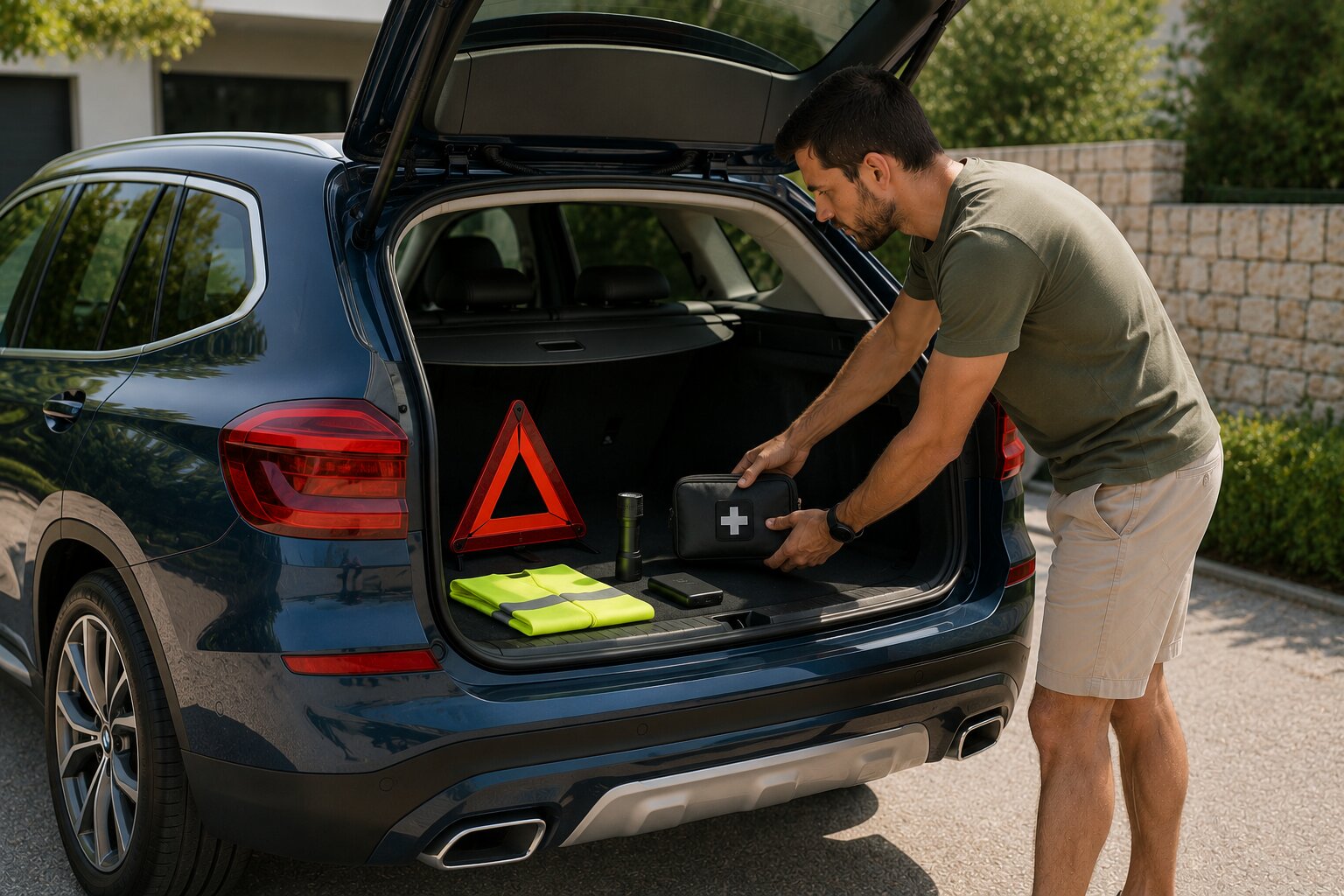
Prepare for Emergencies
Even a well-maintained vehicle can experience unexpected problems.
Carry a basic emergency kit that includes:
- Drinking water
- First-aid kit
- Flashlight
- Phone charger or power bank
- Reflective safety vest
- Warning triangle
- Tire repair kit or spare tire
It’s also a good idea to review your planned route, weather forecast and traffic conditions before departure.
A Few Minutes of Preparation Can Save Hours of Trouble
Preparing your vehicle before a summer road trip doesn’t require advanced mechanical knowledge or expensive equipment.
A simple inspection of your tires, fluids, battery, cooling system, brakes, lights and air conditioning can significantly reduce the risk of breakdowns and improve safety for everyone in the vehicle.
The best road trips begin long before you start the engine. Spending a little time preparing your car today can help you enjoy a safer, smoother and far more relaxing journey tomorrow.