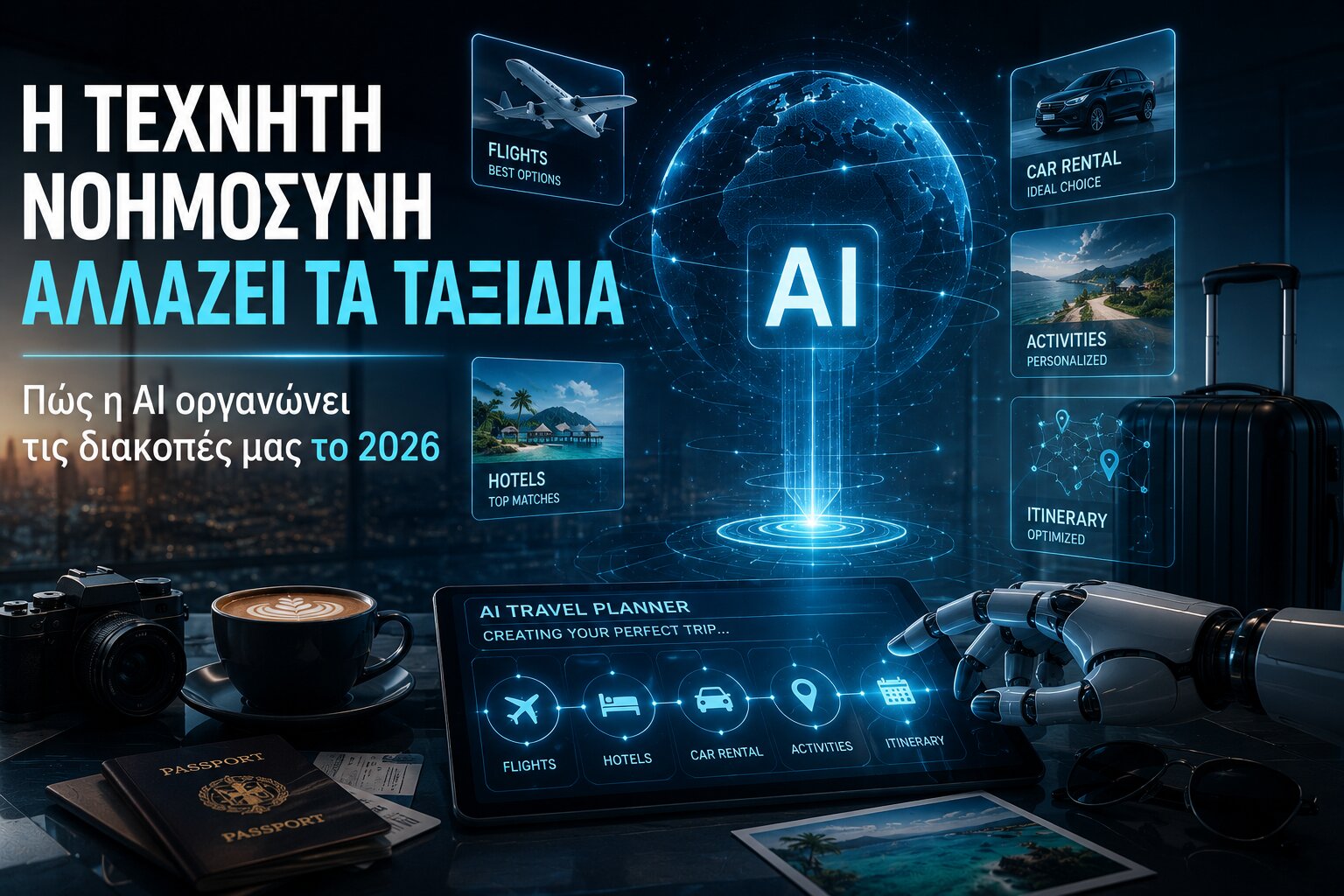
Artificial intelligence is not just changing the way we book trips. It is reshaping how we dream about, plan, and experience travel.
When Every Trip Began with Twenty Open Browser Tabs
Not long ago, planning a vacation often felt like taking on a second full-time job.
Everything started with a simple idea—“Let’s go somewhere different this year.” What followed was usually digital chaos: dozens of browser tabs, endless flight comparisons, hundreds of hotel reviews, travel blogs, YouTube videos, interactive maps, online forums, and booking platforms.
Somewhere between the thirtieth and the fortieth review, the excitement of the upcoming trip slowly turned into uncertainty.
Is there a better hotel?
Should we choose another island?
Did I book the flight too early?
Am I renting the right car?
The biggest challenge was never the lack of information.
It was having too much of it.
In 2026, however, this reality is changing dramatically.
Instead of endlessly searching for answers, travelers are beginning to have conversations with intelligent systems that understand what they are looking for and help them make better decisions.
That is why artificial intelligence is already considered the most significant innovation in travel planning since online booking transformed the tourism industry.
AI does not replace travelers.
It removes much of the complexity that comes before the journey begins.
From Search Engines to Personal Travel Advisors

For more than two decades, the internet has worked in a predictable way.
We typed searches such as:
- Best beaches in Crete
- Hotels in Santorini
- Things to do in Rhodes
Then we spent hours comparing websites, prices, reviews, and travel guides.
Artificial intelligence introduces a completely different approach.
Instead of typing keywords, travelers can simply describe what they actually want.
For example:
“I’m planning a seven-day holiday in Greece this September. We are two adults with a total budget of €1,500. We enjoy quiet beaches, authentic local food, picturesque villages, and we’d like to explore the island by rental car.”
Within seconds, an AI assistant can generate a personalized travel proposal.
Rather than listing hundreds of websites, it can recommend destinations, estimate costs, suggest daily itineraries, compare transportation options, and explain why one destination may suit your preferences better than another.
This is a fundamental shift.
Traditional search engines answer the question:
“What information is available?”
Artificial intelligence attempts to answer a far more useful question:
“What is the best choice for me?”
Why Artificial Intelligence Fits the Travel Industry So Well
Travel is one of the most complex purchasing decisions people make.
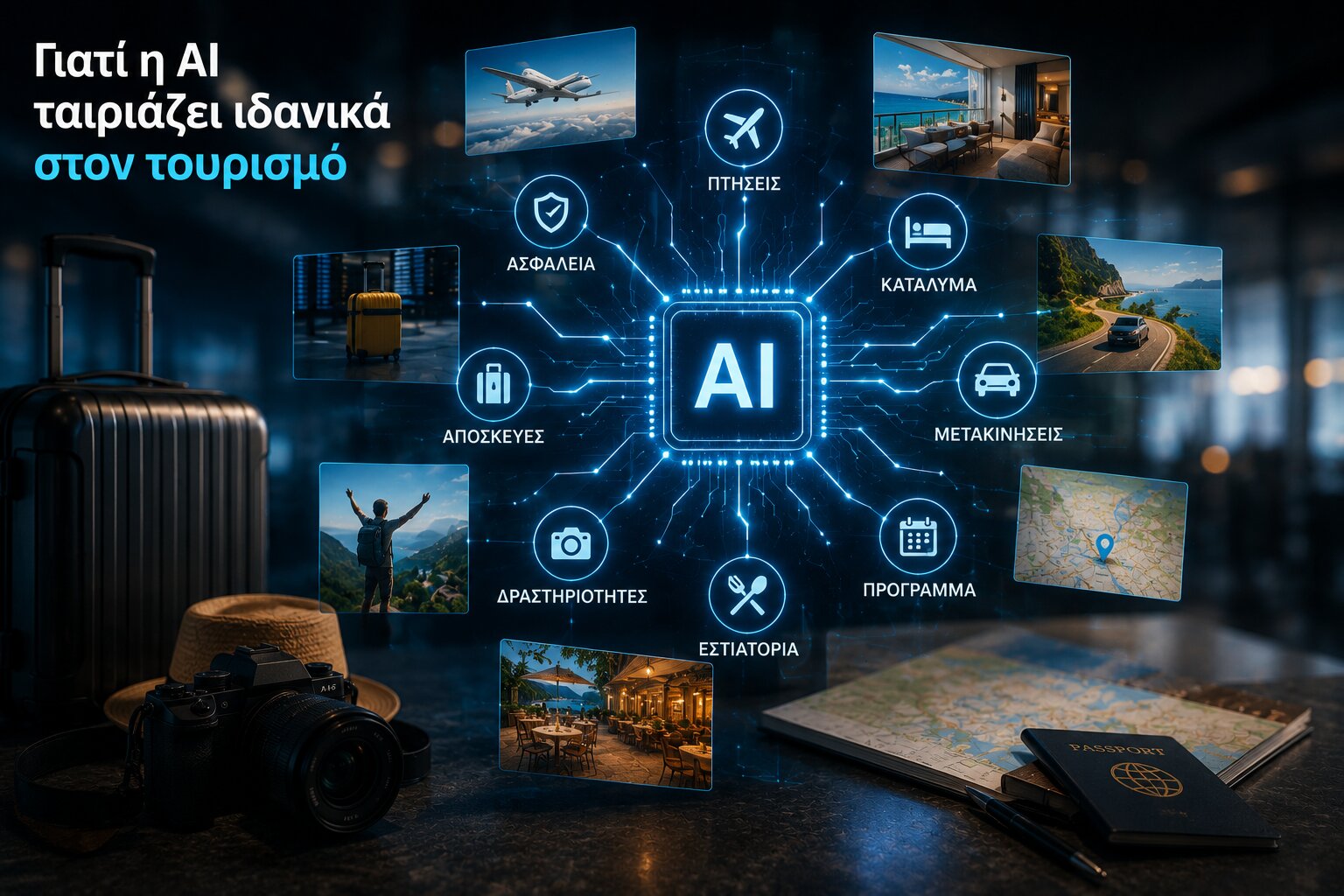
Even a one-week vacation requires dozens of individual choices:
- Choosing a destination
- Selecting travel dates
- Booking flights
- Finding accommodation
- Renting a vehicle
- Planning activities
- Managing transportation
- Staying within budget
- Understanding insurance options
Every decision influences the next.
This is exactly where AI excels.
Instead of evaluating one factor at a time, artificial intelligence can analyze multiple variables simultaneously and identify combinations that many travelers might never discover on their own.
That does not mean AI is always correct.
It means it is exceptionally efficient at organizing information, reducing research time, and helping people focus on the options that best match their priorities.
Personalization Is the Real Revolution
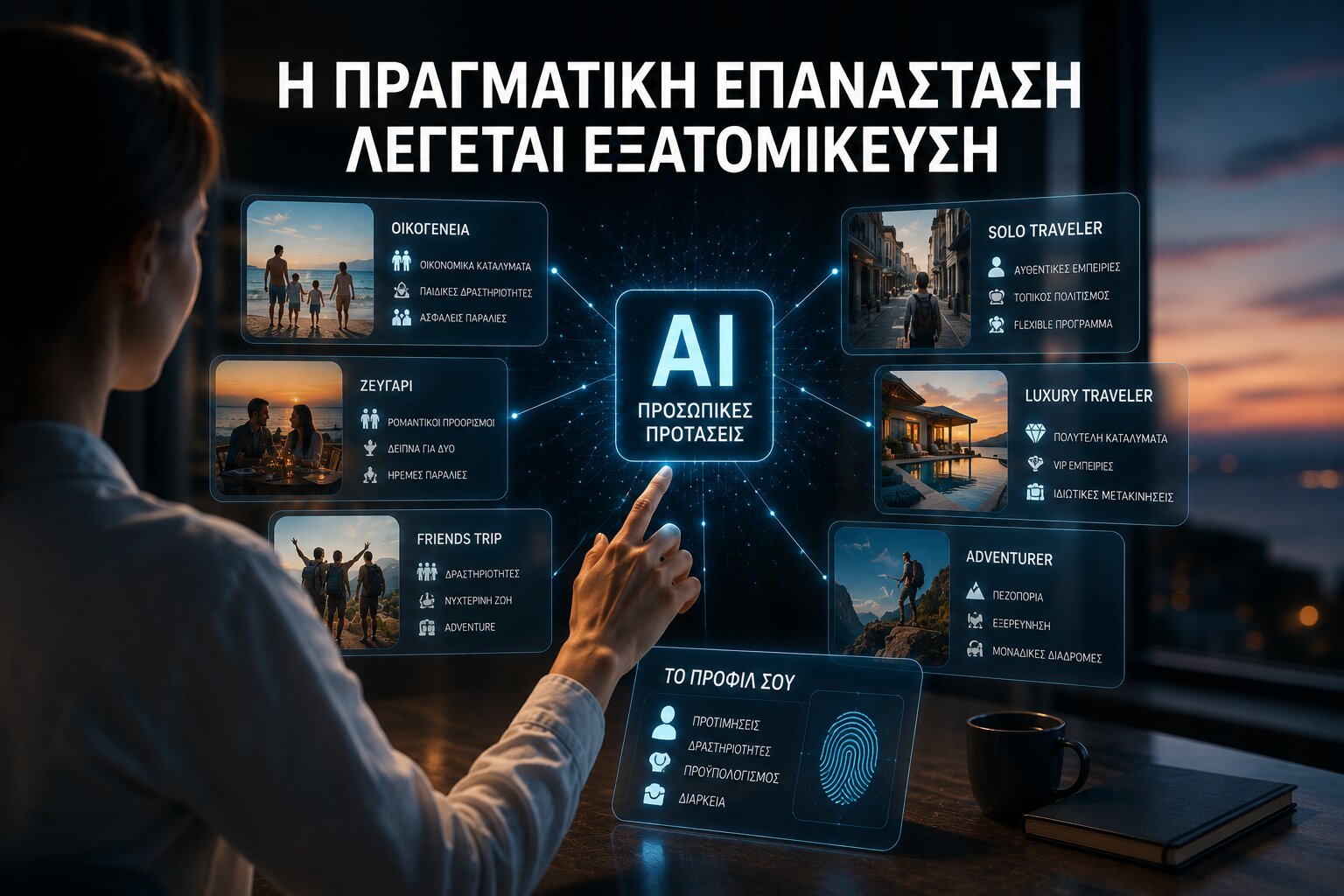
For years, travel recommendations followed a simple formula.
Everyone received essentially the same lists:
- The 10 Best Greek Islands
- The Top Beaches in Europe
- The Best Hotels for Summer Holidays
The problem is obvious.
There is no such thing as the perfect destination for everyone.
There is only the perfect destination for a particular traveler.
A couple looking for peace and privacy has very different expectations from a family with young children.
A landscape photographer travels differently from a digital nomad.
A food enthusiast plans a vacation differently from someone seeking adventure sports.
Artificial intelligence recognizes these differences.
The more context travelers provide, the more relevant the recommendations become.
Planning no longer starts with a destination.
It starts with the traveler.
Greece Is an Ideal Example
Few countries demonstrate the value of AI-powered travel planning better than Greece.
With hundreds of islands, diverse mainland regions, mountain villages, archaeological sites, and dramatic seasonal differences, Greece offers an extraordinary variety of experiences.
The best holiday is not necessarily the most expensive one.
It is the one that best fits the traveler’s interests.
Someone passionate about gastronomy may enjoy Sifnos more than a busier destination.
Families often prioritize destinations with shorter driving distances and convenient infrastructure.
Travelers who enjoy scenic road trips may prefer Crete, the Peloponnese, or Epirus over destinations where a rental car adds little value.
These are highly personal decisions.
Artificial intelligence can evaluate them quickly and present recommendations that feel tailored rather than generic.
The Journey Begins Long Before Departure
Perhaps the greatest promise of artificial intelligence is not that it makes travel cheaper.
Nor is it that it always finds the perfect hotel.
Its greatest value lies elsewhere.
It gives travelers back their time.
The fewer hours we spend comparing websites and reading endless reviews, the more time we can devote to what truly matters: discovering new places, meeting new people, enjoying local cuisine, and creating unforgettable memories.
Technology should not become the center of travel.
It should quietly remove unnecessary complexity so the journey itself can take center stage.
That may ultimately be the greatest contribution artificial intelligence makes to modern travel.
AI Is Becoming Your Personal Travel Planner
Choosing a destination is only the beginning. The real challenge starts when it is time to turn an idea into a well-organized trip.
Flights need to match hotel check-in times. Attractions should be grouped efficiently. Driving distances need to make sense. Restaurants should fit both your budget and your schedule.
Traditionally, this planning process required hours of research across multiple websites.
Today, AI can complete much of that work in minutes.
Instead of simply suggesting places to visit, it can build an itinerary around the way you like to travel.
A family with young children might receive recommendations that minimize daily driving and include child-friendly beaches and restaurants.
A couple looking for a romantic getaway may receive a completely different itinerary focused on boutique hotels, scenic viewpoints and local gastronomy.
For digital nomads, the priorities may include reliable internet, quiet cafés, coworking spaces and longer stays.
The recommendation is no longer based on what is popular.
It is based on what is relevant.
Smarter Decisions, Not Just Cheaper Ones
Many travelers believe that finding the lowest price automatically means making the best decision.
In reality, travel is rarely that simple.
A cheaper hotel may be located far from the places you actually want to visit.
A low-cost flight might include long layovers, expensive baggage fees or inconvenient arrival times.
An inexpensive rental car may not have enough luggage space for your family.
Artificial intelligence helps travelers evaluate the overall value of each option rather than focusing on a single number.
Sometimes spending a little more results in a much better travel experience.

Choosing the Right Rental Car
Rental cars are often selected based only on daily price.
However, the right vehicle depends on many factors:
- How many people are traveling?
- How much luggage will they carry?
- Will they drive mostly in cities or explore rural areas?
- Are mountain roads involved?
- Is an automatic transmission preferred?
- Is charging infrastructure available for electric vehicles?
AI can use this information to recommend the vehicle category that best matches the trip.
For example, a compact city car may be ideal for a couple visiting a small island, while a family exploring Crete or the Peloponnese could benefit from a larger crossover or SUV offering additional comfort and luggage capacity.
It can also explain concepts that often confuse travelers, including insurance coverage, fuel policies, security deposits, additional drivers and child seats.
The result is greater confidence before completing the reservation.
Five AI Prompts Every Traveler Should Try
The quality of AI responses depends largely on the quality of the prompt.
Instead of asking broad questions, provide context.
Prompt 1
“Plan a seven-day road trip across Crete for two adults with a total budget of €1,800, including beaches, traditional villages and local restaurants.”
Prompt 2
“Compare Naxos, Madeira and Mallorca for a couple looking for quiet beaches and authentic food in September.”
Prompt 3
“Recommend the best rental car category for four adults with four large suitcases driving 800 kilometres during one week.”
Prompt 4
“Create a daily itinerary that minimizes driving time and avoids peak tourist hours.”
Prompt 5
“List the most common mistakes tourists make when visiting this destination and explain how to avoid them.”
The more details you provide, the more useful the recommendations become.

Where Human Judgment Still Matters
Artificial intelligence is an excellent planning tool, but it is not perfect.
Opening hours change.
Road closures happen.
Hotels renovate.
Restaurants close.
Local regulations evolve.
Before booking flights, accommodation or rental cars, always verify essential information through official websites or by contacting the provider directly.
The best approach is to treat AI as a knowledgeable assistant rather than the final authority.
The Future of Travel Beyond 2030
Artificial intelligence is expected to become even more deeply integrated into tourism over the coming years.
Future travel assistants may understand your preferences before you even begin planning.
Your itinerary could automatically adjust when flights are delayed or weather conditions change.
Hotels, airlines and rental car companies may work together more seamlessly, creating a smoother travel experience from booking to arrival.
Technology will not replace the joy of travel.
Its role is to remove unnecessary complexity so travelers can focus on discovering new places rather than managing endless logistics.
Frequently Asked Questions
Can AI plan an entire vacation?
Yes. It can recommend destinations, create itineraries, compare accommodation and suggest activities. Important booking details should always be verified with official providers.
Does AI always find the cheapest flights?
No. It helps compare alternatives and evaluate value, but prices change constantly and depend on airlines and booking platforms.
Is AI useful when renting a car?
Absolutely. It can recommend the appropriate vehicle category based on passengers, luggage, driving conditions and travel plans.
Will AI replace travel agencies?
AI will likely transform the industry rather than replace it. Human expertise remains valuable, particularly for complex itineraries and personalized travel advice.
Final Thoughts
Artificial intelligence is changing travel in the same way smartphones changed navigation.
It is not replacing curiosity, adventure or human experience.
Instead, it is removing much of the complexity that traditionally came before the journey.
The best trips have never been defined by the number of websites we visited before departure.
They are defined by the memories we create once we arrive.
If AI can help us spend less time planning and more time experiencing the world, then its greatest contribution is not technological at all.
It is deeply human.