
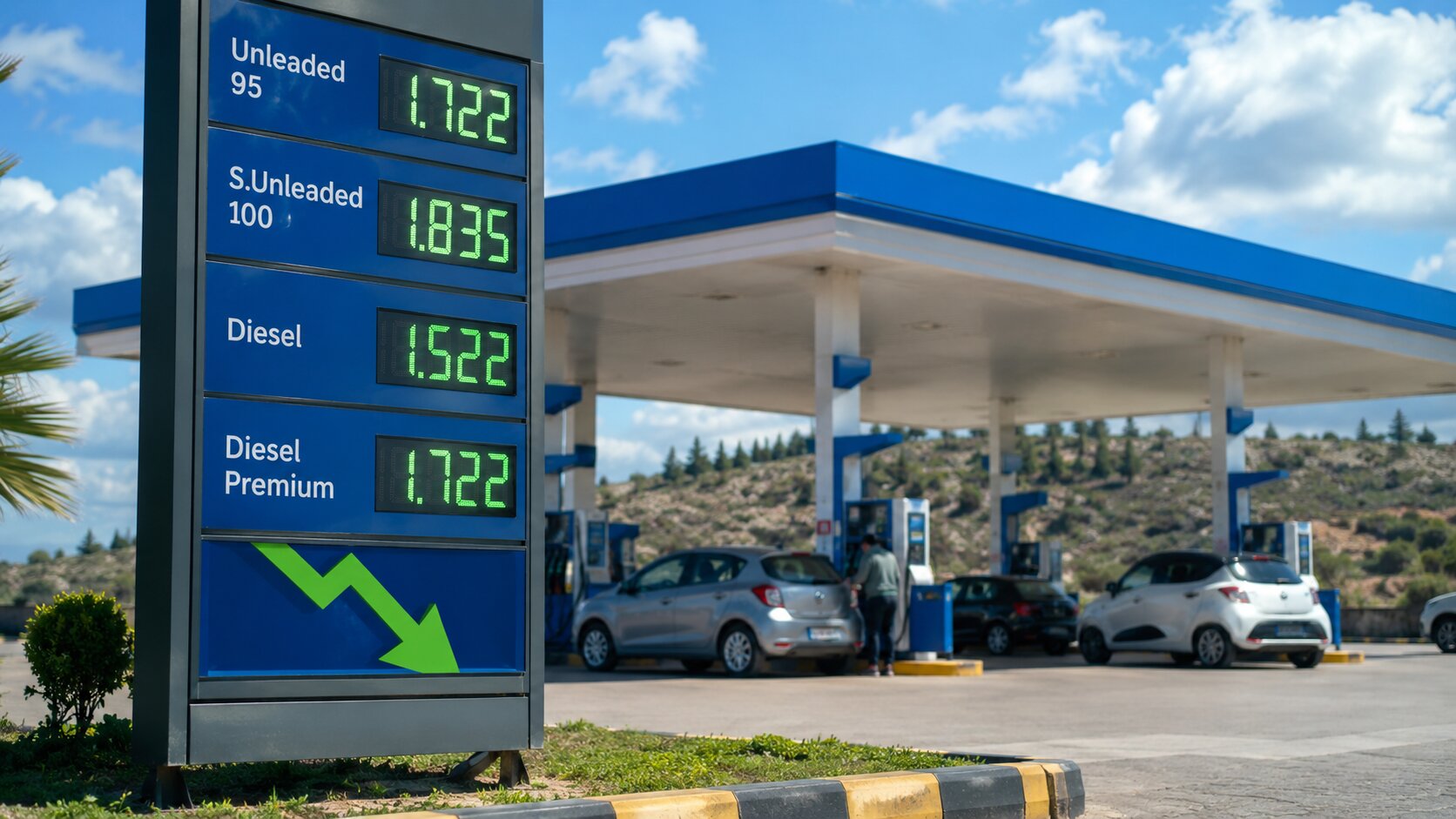
Fuel prices are one of the most important factors affecting transportation costs for households and operating expenses for businesses in Greece. Recently, consumers have noticed a gradual decline in gasoline prices, creating optimism among drivers and providing positive signals for the broader economy.
Why Are Gasoline Prices Falling?
The decrease in fuel prices at gas stations is the result of several factors influencing the global energy market:
- Lower international crude oil prices, driven by increased supply and softer demand in some markets.
- Greater geopolitical stability, reducing concerns about disruptions in global energy supply chains.
- Favorable currency exchange rate movements, which can lower the cost of imported fuel.
- Seasonal market trends, which often contribute to fuel price adjustments throughout the year.
Although fuel prices remain sensitive to international developments, the current trend is providing meaningful relief for consumers.
Benefits for Drivers
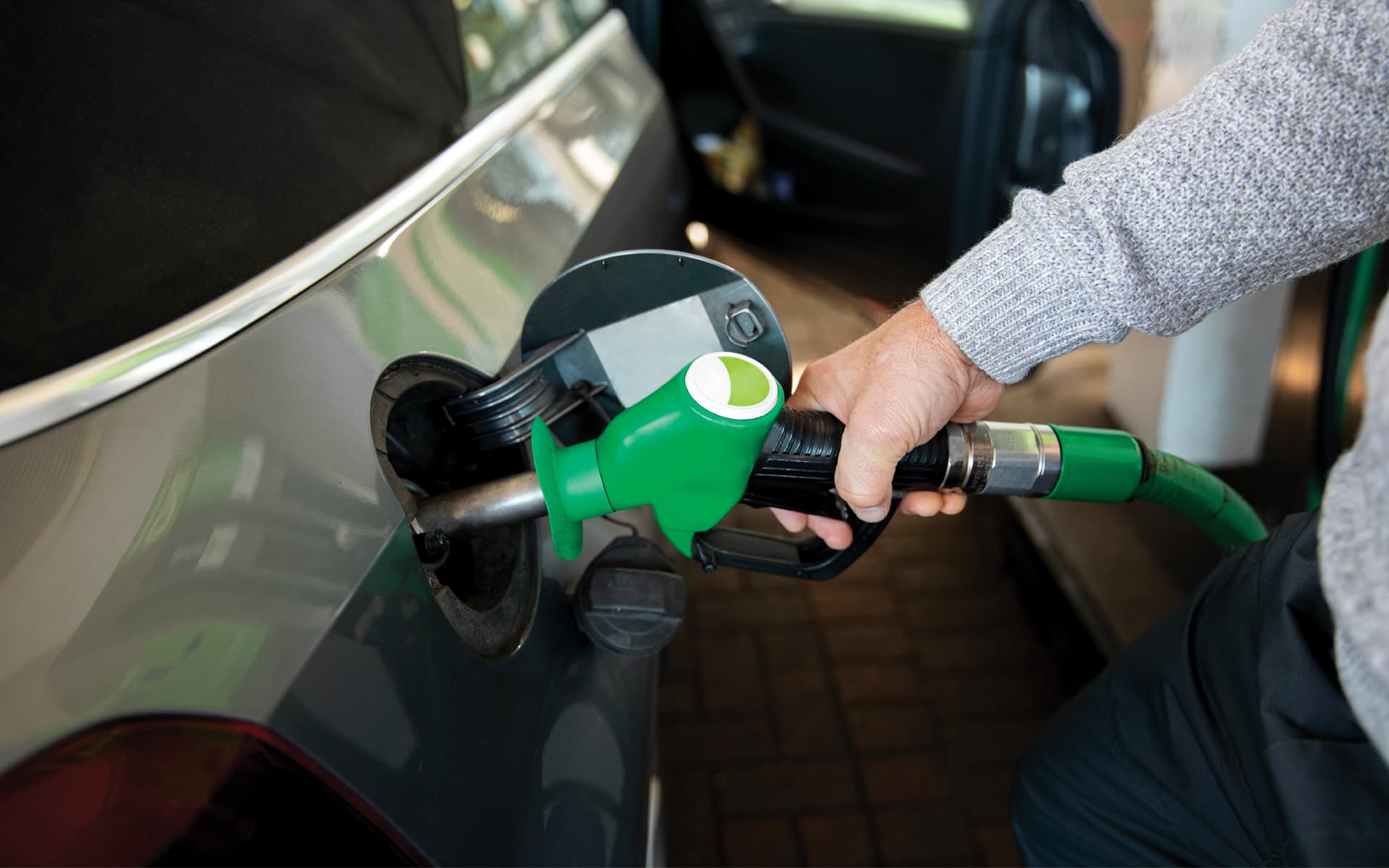
Lower gasoline prices have a direct impact on household budgets. For the average driver who relies on a car for daily transportation, even a small reduction per liter can lead to noticeable monthly savings.
Key benefits include:
- Lower commuting and transportation costs.
- Reduced expenses for business travel.
- More affordable road trips and leisure travel.
- Increased purchasing power for households.
With the summer travel season approaching, lower fuel prices are expected to encourage more domestic travel across Greece.
Positive Impact on Tourism
Tourism is a key pillar of the Greek economy, and lower fuel costs can contribute positively to the sector’s growth.
Visitors who choose to explore Greece by rental car can benefit from reduced transportation expenses, while Greek families may find it easier to plan affordable getaways.
At the same time, car rental companies may experience increased demand, as the overall cost of using a vehicle becomes more attractive for travelers.
How Businesses Benefit
The decline in fuel prices does not only benefit private motorists. Companies that depend heavily on transportation, such as logistics providers, delivery services, and tourism-related businesses, can reduce their operating costs.
Potential advantages include:
- Improved profitability.
- Lower transportation expenses.
- More competitive pricing for products and services.
- Increased economic activity.
These benefits can have a positive ripple effect throughout the economy, supporting both businesses and consumers.
Will the Downward Trend Continue?
While current developments are encouraging, the fuel market remains highly volatile. Factors such as global oil prices, decisions by oil-producing countries, geopolitical tensions, and taxation policies can significantly influence future price movements.
Market analysts suggest that stability in international energy markets will be a key factor in maintaining lower fuel prices over the coming months.
Conclusion
The reduction in gasoline prices in Greece is a positive development for consumers, professionals, and businesses alike. Lower fuel costs provide financial relief for households, encourage travel, and support tourism and commercial activity. If the downward trend continues, the benefits could become even more noticeable in everyday life and across the Greek economy as a whole.