
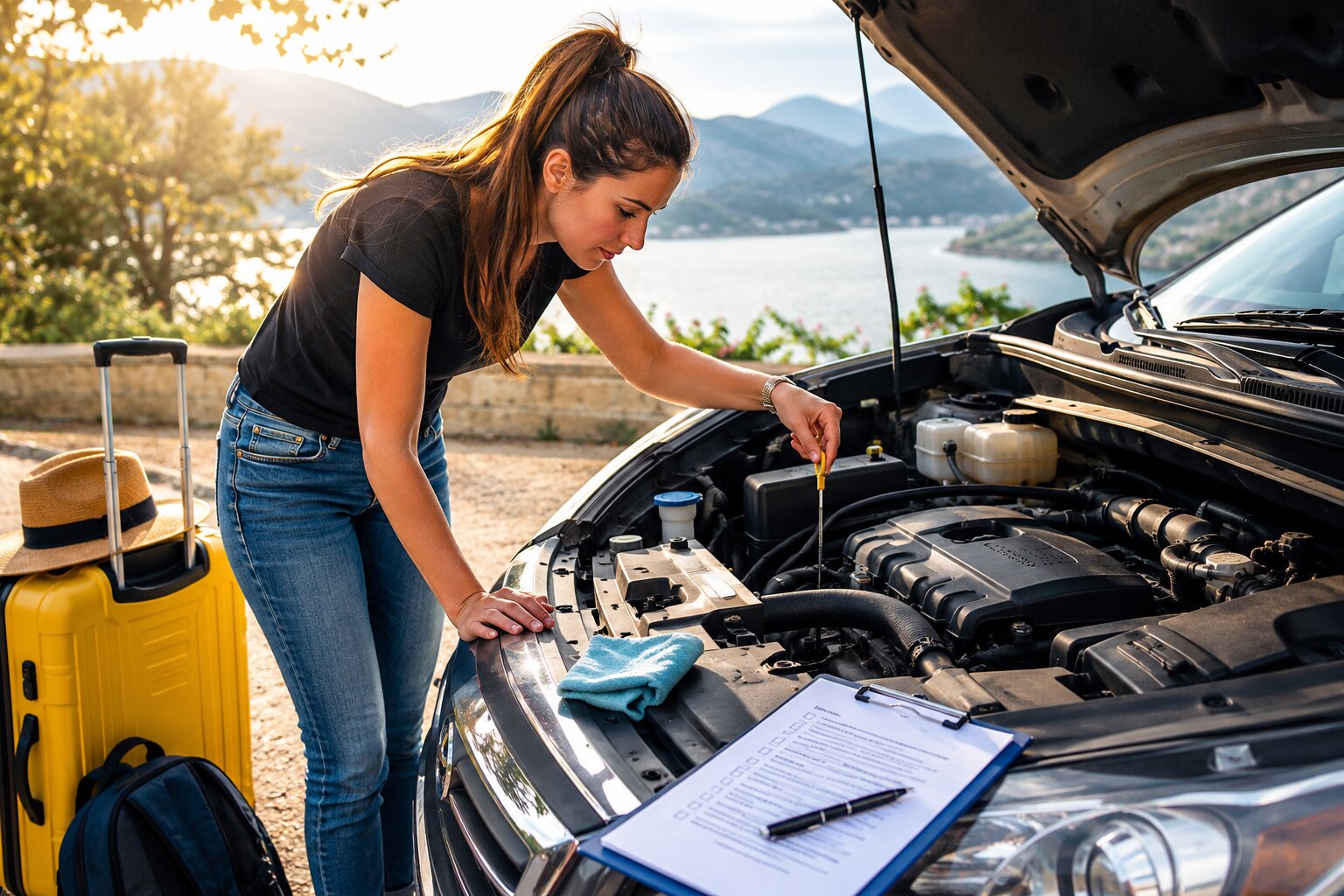
Whether you’re planning a summer getaway, a business trip, or a family vacation, properly preparing your vehicle is essential for a safe and comfortable journey. Many drivers focus solely on their destination and packing, while overlooking the condition of their car.
A quick but thorough inspection before departure can help prevent unexpected breakdowns, costly repairs, and dangerous situations on the road. Below is a comprehensive guide covering everything you should check before setting off on your next trip.
1. Check Your Tires
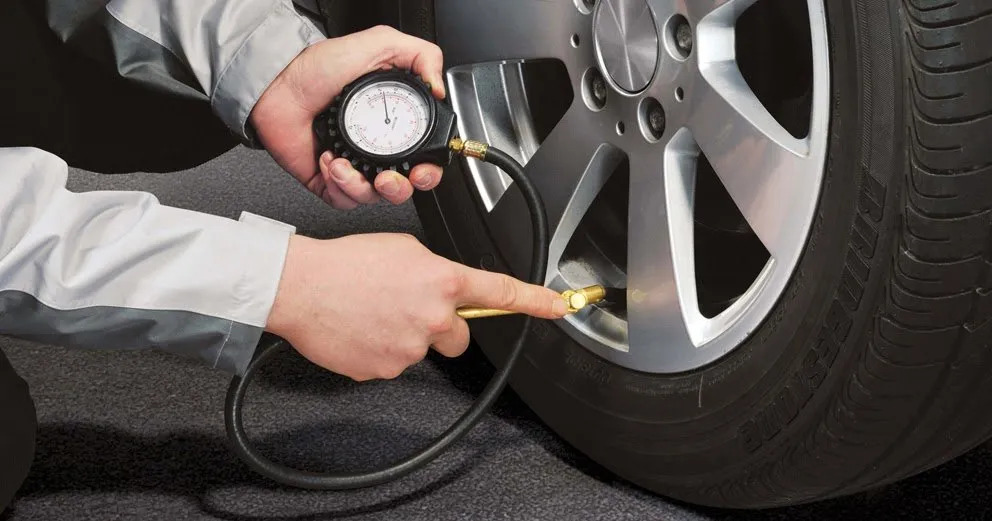
Your tires are the only point of contact between your vehicle and the road, directly affecting safety, fuel efficiency, and overall driving performance.
What to inspect:
- Tire pressure according to the manufacturer’s recommendations.
- Tread depth and wear.
- Any cuts, cracks, bulges, or damage on the sidewalls.
- The condition and pressure of the spare tire.
Incorrect tire pressure can increase fuel consumption and significantly reduce grip, especially at high speeds or on wet roads.
2. Check the Engine Oil
Engine oil is vital for lubricating and cooling your engine’s internal components.
Make sure to check:
- The oil level using the dipstick.
- The color and condition of the oil.
- Whether your next scheduled service is approaching.
If the oil level is below the recommended minimum, top it up with the correct type before your trip.

3. Coolant Level
During warmer months, high temperatures put extra stress on your vehicle’s cooling system.
Ensure that:
- The coolant reservoir is between the MIN and MAX marks.
- There are no visible leaks.
- The radiator and cooling system are functioning properly.
An overheated engine can result in severe and expensive damage.
4. Brake Fluid
Your braking system is one of the most critical safety components of any vehicle.
Before your trip:
- Check the brake fluid level.
- Pay attention to the feel of the brake pedal.
- Listen for unusual noises when braking.
If anything feels unusual, have the vehicle inspected by a mechanic before departure.
5. Windshield Washer Fluid
While often overlooked, clear visibility is essential for safe driving.
Check:
- The windshield washer fluid level.
- The condition of the wiper blades.
- Whether the wipers leave streaks or fail to clear the windshield effectively.
Poor visibility during rain, dust, or insects on the windshield can greatly increase accident risk.
6. Lights and Electrical System
Before you leave, test all vehicle lights, including:
- Low-beam headlights.
- High-beam headlights.
- Daytime running lights.
- Turn signals.
- Brake lights.
- Fog lights.
- Reverse lights.
It’s also wise to check the condition of the battery, especially if it is more than three years old.
7. Battery Condition
A weak battery can leave you stranded at the worst possible moment.
Warning signs include:
- Difficulty starting the engine.
- Dim headlights.
- Dashboard warning lights.
If your battery is nearing the end of its lifespan, replacing it before a long journey is a smart precaution.
Car Check
8. Brakes and Suspension
Take note of how the vehicle feels during everyday driving before your trip.
Watch for:
- Vibrations while braking.
- Unusual noises.
- Instability when cornering.
Long-distance travel and fully loaded vehicles place additional strain on both braking and suspension systems.
9. Air Conditioning System
Especially during summer travel, a properly functioning air conditioning system improves comfort and reduces driver fatigue.
Check:
- Cooling performance.
- Unpleasant odors.
- Fan operation and airflow.
A simple AC service before your vacation can make a significant difference.
10. Essential Safety Equipment
Make sure your vehicle contains:
- Warning triangle.
- First-aid kit.
- Reflective safety vest.
- Jack.
- Wheel wrench.
- Spare tire or tire repair kit.
Many European countries require some of this equipment by law, and missing items could result in fines.
11. Vehicle Documents
Before departure, confirm that you have:
- Vehicle registration certificate.
- Driver’s license.
- Insurance documents.
- Vehicle inspection certificate (where applicable).
- Roadside assistance information.
For international travel, ensure you also carry any additional documents required by the countries you will visit.
12. Fuel and Route Planning
Beyond vehicle maintenance, good trip preparation includes:
- Checking traffic conditions.
- Identifying fuel stations along your route.
- Scheduling breaks every two hours of driving.
- Updating your GPS or navigation maps.
Proper planning reduces stress and makes the journey more enjoyable.
Tips for Travelers Using a Rental Car
If you’re driving a rental vehicle, take a few minutes during pickup to inspect:
- Existing scratches or dents.
- Tire condition.
- Lights and air conditioning.
- Fuel level.
- Safety equipment.
Documenting any pre-existing damage before departure can help avoid misunderstandings when returning the vehicle.
Conclusion
A successful road trip begins long before you turn the key in the ignition. Performing a thorough pre-trip vehicle inspection reduces the likelihood of breakdowns, improves safety for all passengers, and gives drivers greater peace of mind.
By investing just 15–20 minutes in a basic vehicle check before departure, you can enjoy your journey with confidence and focus on what truly matters—the experience, the destination, and the memories waiting to be made.