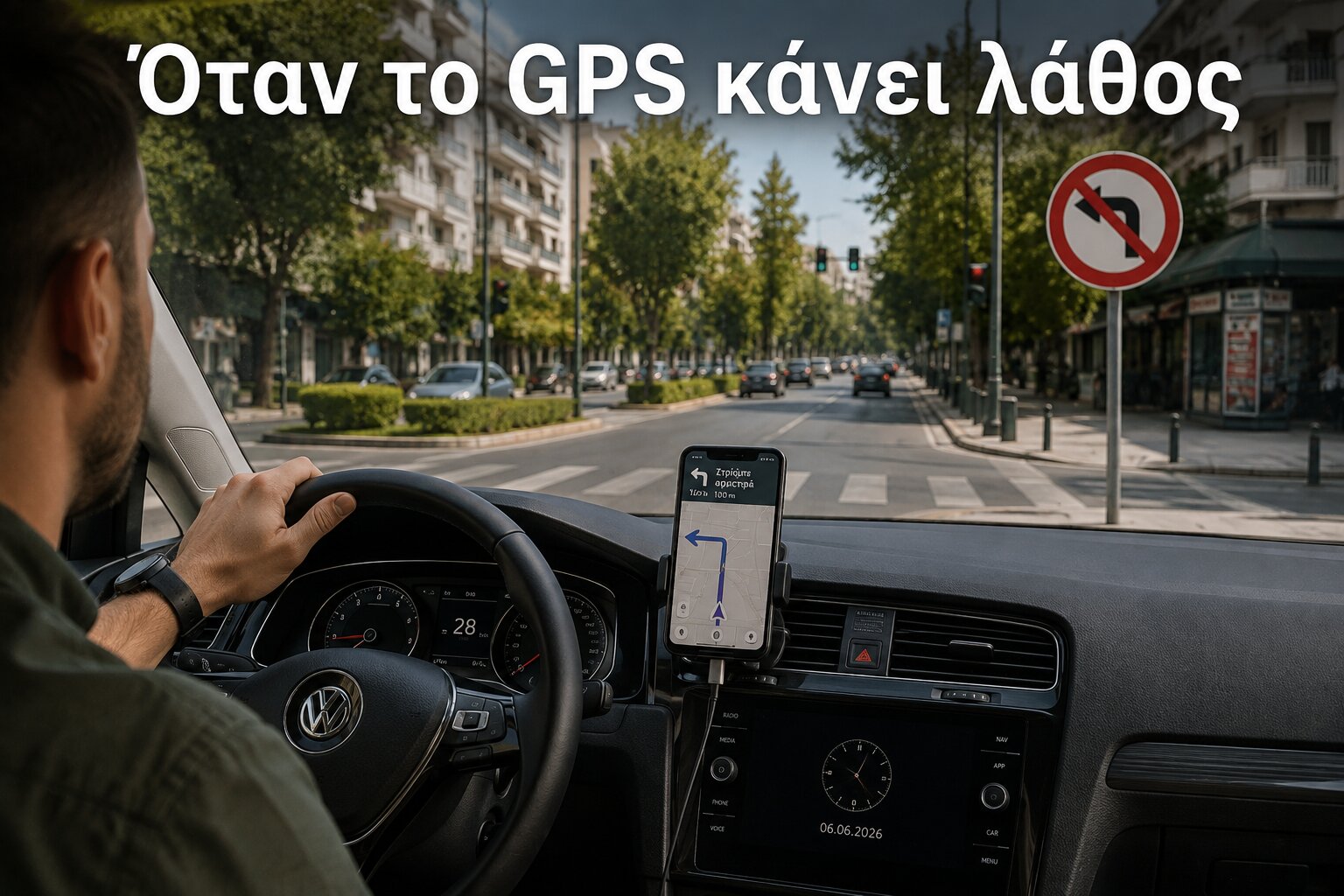
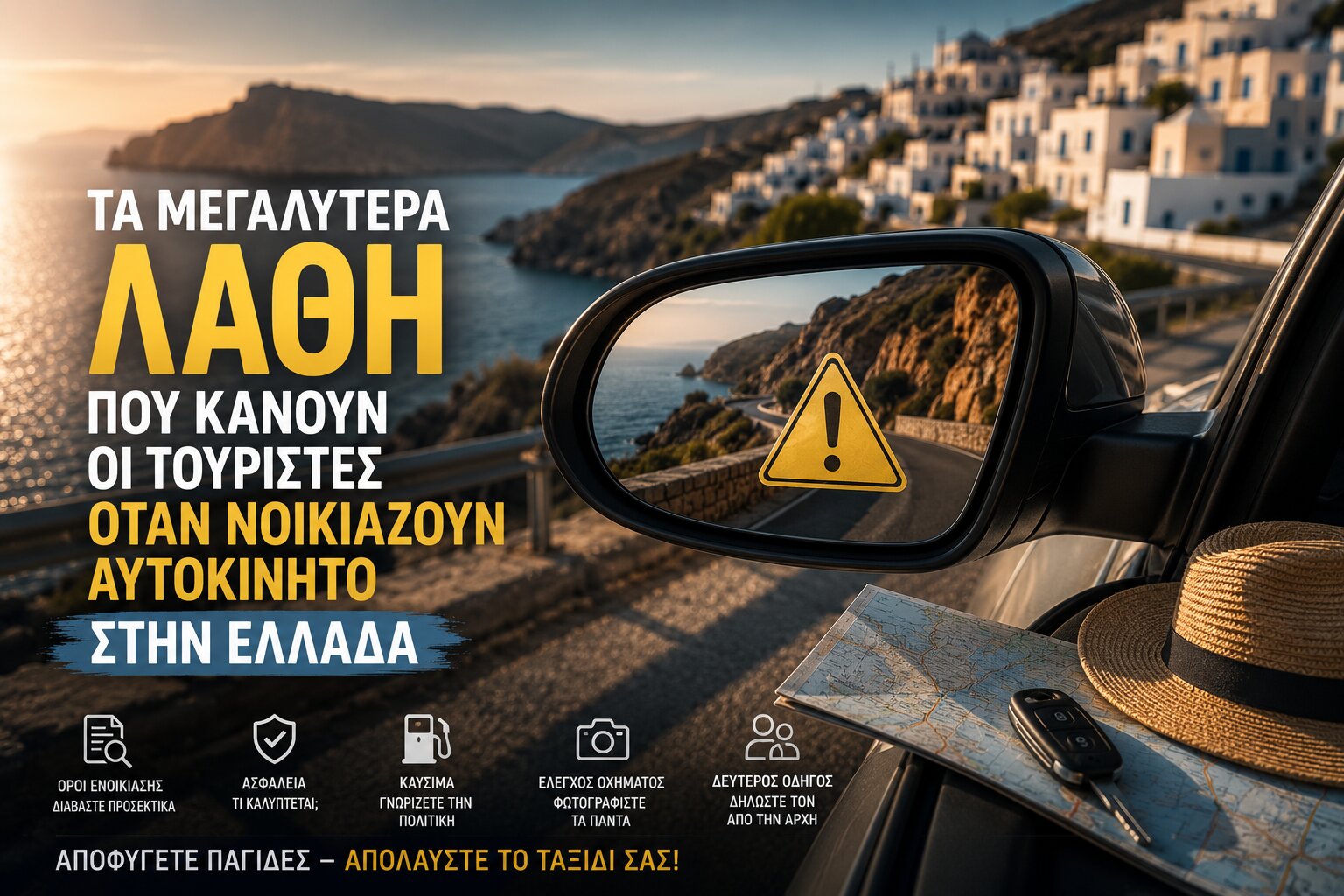
Renting a car in Greece is one of the best ways to experience the country beyond the typical tourist attractions. From the mountain villages of Epirus and the stunning beaches of Crete to the hidden gems of the Peloponnese and the picturesque islands of the Aegean, having your own vehicle allows you to travel at your own pace and discover places that public transport simply cannot reach.
In 2026, demand for car rentals in Greece remains exceptionally high. International tourist arrivals continue to grow, making early planning and informed decisions more important than ever. While renting a car is generally a straightforward process, many travelers experience unnecessary stress, unexpected charges, or avoidable inconveniences because of simple mistakes.
The good news is that most of these problems can be prevented with a little preparation. Below are the most common mistakes tourists make when renting a car in Greece and practical advice on how to avoid them.
1. Choosing Based Only on the Lowest Price

The cheapest rental is not always the best value. A very low daily rate may exclude important insurance coverage, include a high excess, or hide additional fees for services such as airport pickup, extra drivers, child seats, or late returns.
Instead of comparing only the final price, compare what is actually included in the rental package.
2. Ignoring the Rental Terms and Conditions

Many travelers book quickly without reading the rental agreement. However, this document explains essential information such as minimum driver age, driving experience requirements, mileage limits, cancellation policies, fuel policies, deposits, and driver responsibilities.
Every rental company has its own terms, so assumptions can become expensive mistakes.
3. Not Understanding the Insurance Coverage

Insurance is often misunderstood. Seeing “insurance included” does not necessarily mean everything is covered.
Terms such as Collision Damage Waiver (CDW), Theft Protection, Super CDW, Full Damage Waiver, Excess Reduction, and Glass & Tyres Protection all have different meanings. Many policies exclude damage to wheels, tires, mirrors, keys, underbody components, or damage caused by negligence.
Always ask one simple question:
“What is the maximum amount I could be required to pay if damage occurs?”
4. Skipping the Vehicle Inspection

Before leaving the rental location, carefully inspect the vehicle.
Take photos or videos of scratches, dents, wheels, tires, mirrors, windshield, bumpers, and the interior. If any damage is missing from the inspection report, ask for it to be recorded before driving away.
This simple step can prevent disputes when returning the vehicle.
5. Booking Too Late

Greece experiences extremely high demand during summer, Easter holidays, long weekends, and major tourist events.
Waiting until the last minute often means fewer vehicle choices and significantly higher prices, especially on popular islands where fleet availability is limited.
Booking early usually results in better prices and greater vehicle availability.
6. Choosing the Wrong Vehicle Category

A small city car may be perfect for narrow island streets and easy parking, but it may not be suitable for four passengers with luggage or long road trips.
Likewise, a large SUV offers comfort but can become difficult to park in historic town centers or traditional villages.
Choose the vehicle according to the number of passengers, luggage capacity, and the type of roads you expect to drive.
7. Underestimating Greek Roads

Driving conditions vary greatly throughout Greece.
Modern highways coexist with winding mountain roads, narrow village streets, steep hills, and busy tourist areas.
Visitors should adapt their driving style, respect local road regulations, and remain especially cautious around motorcycles, pedestrians, and unfamiliar road layouts.
8. Forgetting to Register an Additional Driver

Allowing another person to drive without being listed on the rental agreement may invalidate insurance coverage.
If multiple people intend to drive, every driver should be officially added to the contract.
9. Ignoring the Fuel Policy
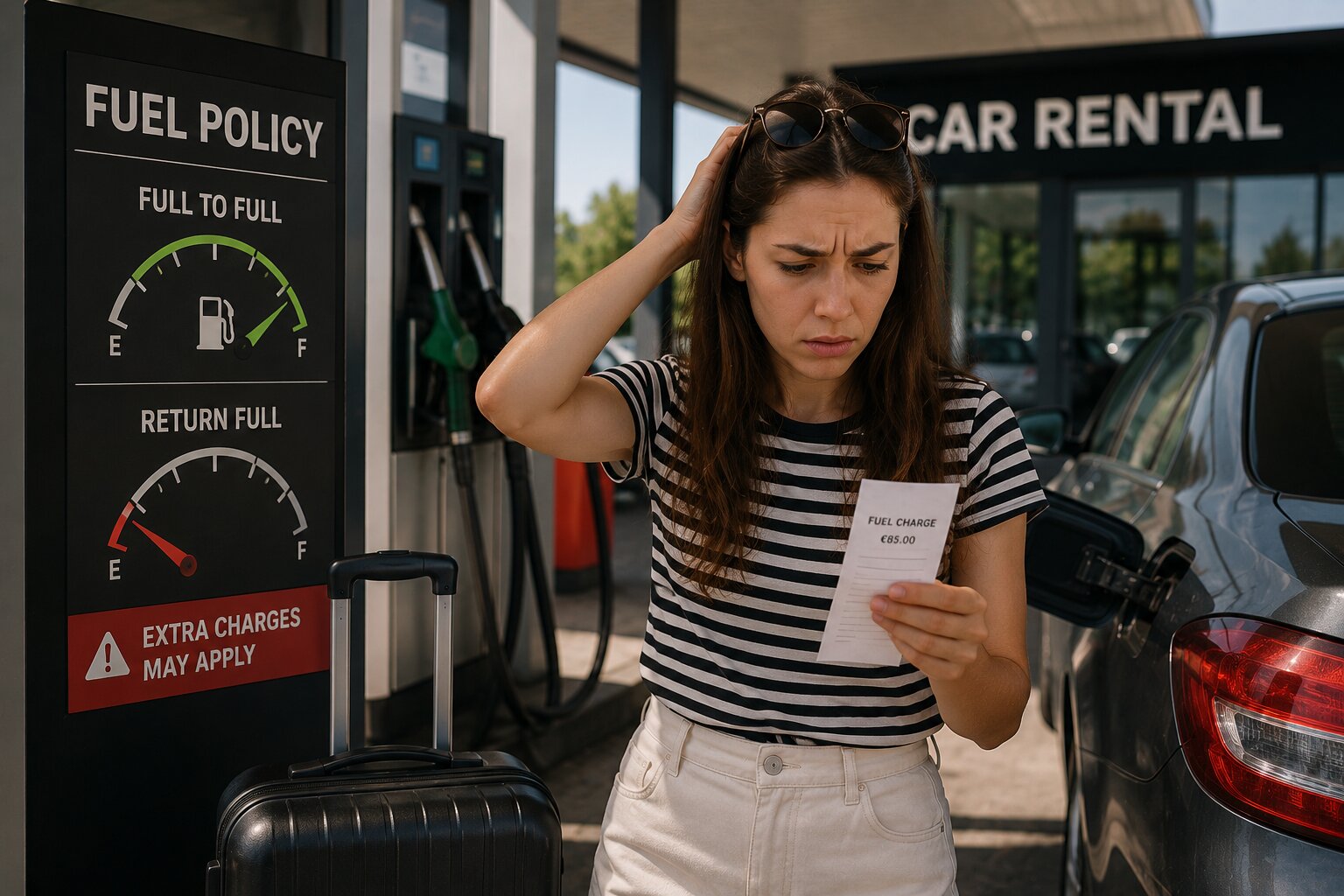
The most transparent policy is usually “Full to Full.”
Returning the vehicle without a full tank may result in expensive refueling charges and administrative fees.
Always understand the fuel policy before collecting the vehicle.
10. Misunderstanding the Security Deposit
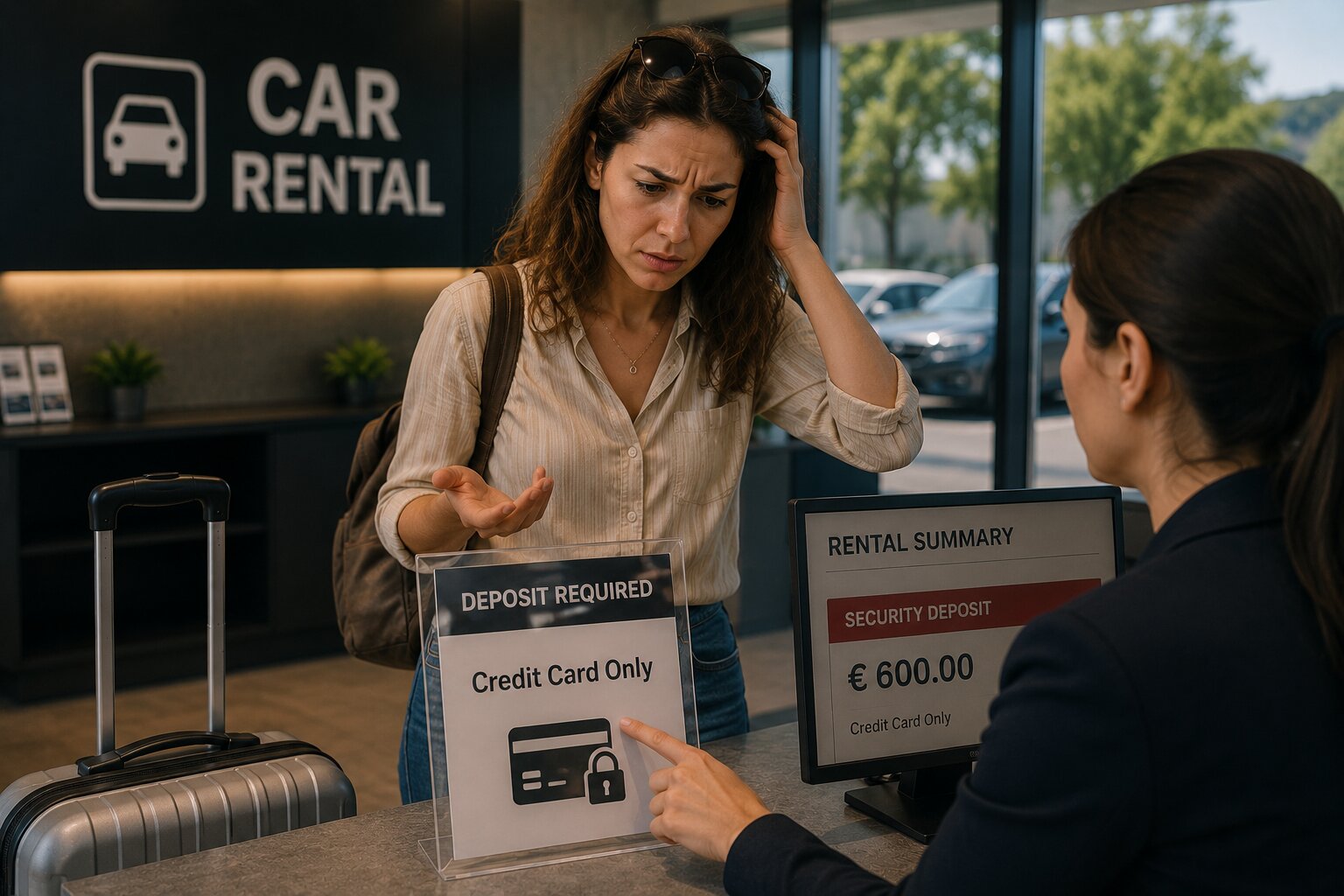
The security deposit is generally a temporary authorization on your payment card rather than an actual charge.
Before booking, verify:
- the required deposit amount,
- whether a credit card is mandatory,
- whether debit cards are accepted,
- and how long it takes for the deposit to be released.
11. Forgetting Child Seats

Families traveling with children should reserve child seats during the booking process.
During peak season, availability may be limited, and using an appropriate child restraint system is mandatory under Greek road safety regulations.
12. Assuming Ferry Travel Is Automatically Allowed
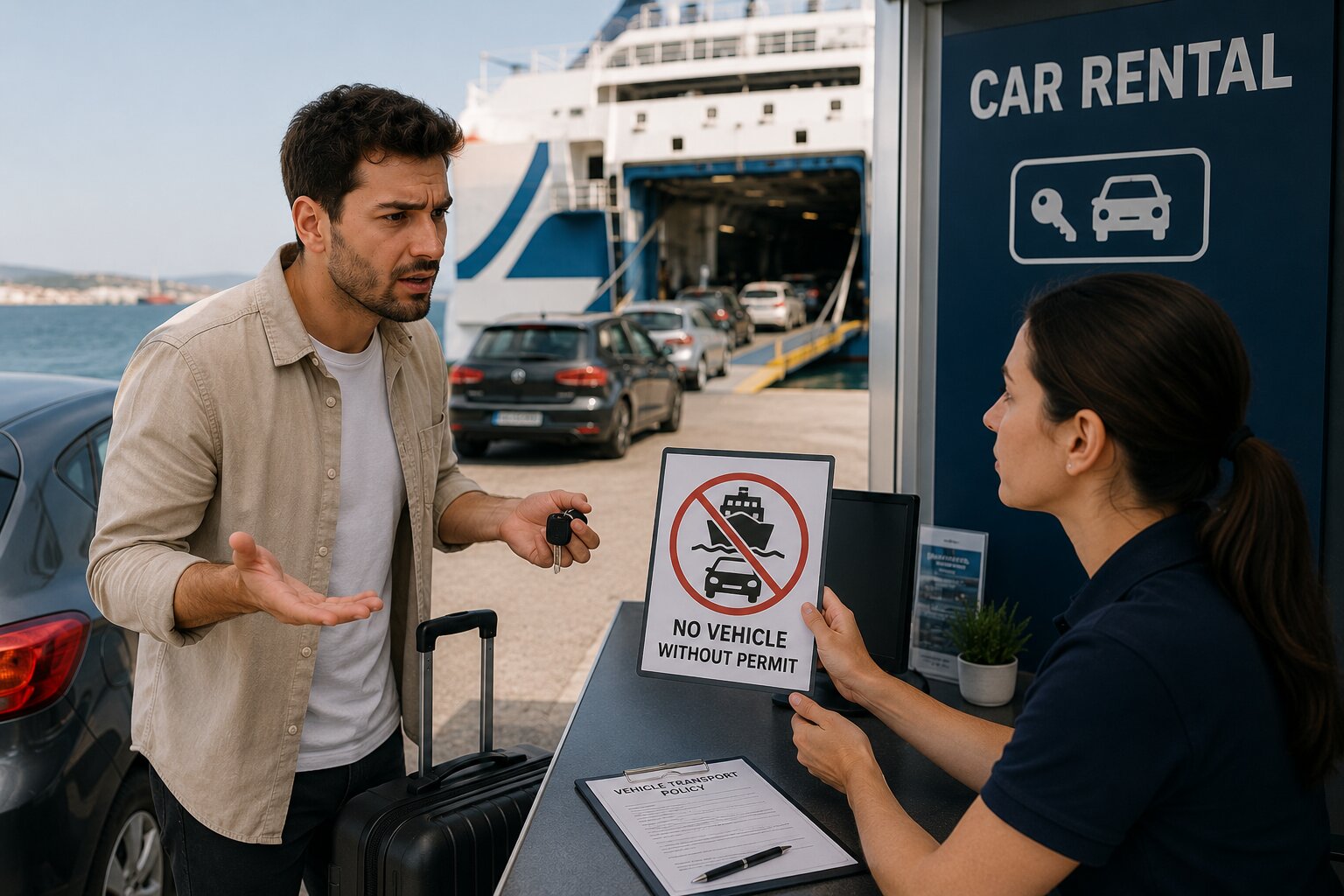
Many travelers plan to visit multiple islands.
However, rental vehicles cannot always be transported by ferry without prior authorization from the rental company.
Always obtain written approval before taking a rental car on a ferry.
13. Underestimating Parking Challenges
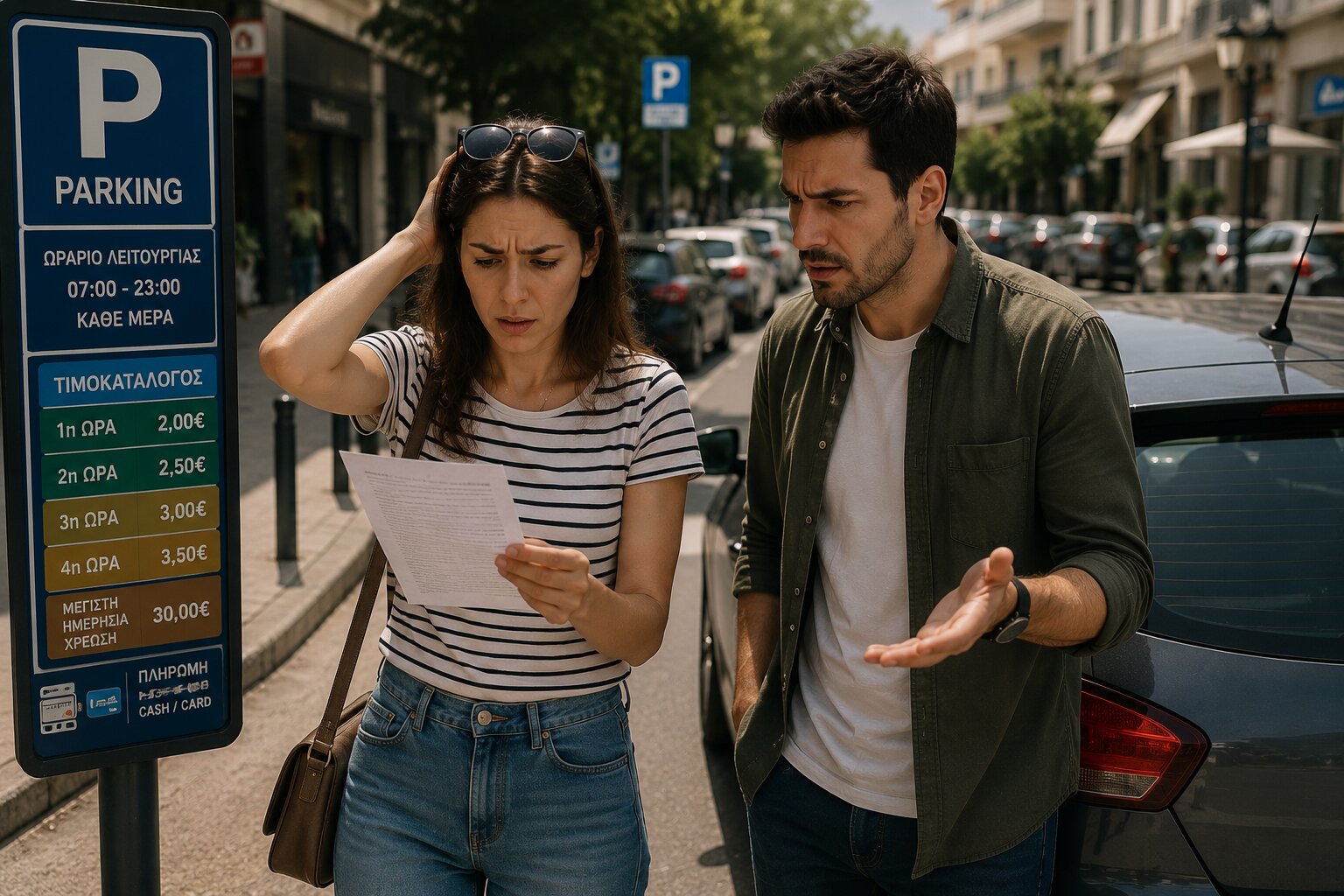
Finding parking in destinations such as Santorini, Mykonos, Corfu, Nafplio, or central Athens can be surprisingly difficult during peak tourist periods.
A smaller vehicle may save considerable time and frustration.
14. Not Knowing What to Do After an Accident

If an accident occurs, contact the rental company immediately and follow its instructions.
Do not leave the scene without following the appropriate legal procedures, documenting the incident, and collecting all necessary information.
15. Choosing Companies Based Only on Price

The best rental company is not necessarily the cheapest.
Transparent pricing, clear insurance policies, well-maintained vehicles, reliable customer support, and positive customer reviews often provide much greater value than a slightly lower daily rate.
Conclusion

Renting a car in Greece is one of the best ways to explore the country’s incredible diversity and discover places beyond the typical tourist routes.
Most rental problems can be avoided through careful planning, understanding the rental conditions, selecting appropriate insurance, inspecting the vehicle before departure, and choosing a reliable rental provider.
A well-planned car rental offers more than transportation—it provides the freedom to experience Greece on your own terms and create unforgettable travel memories.