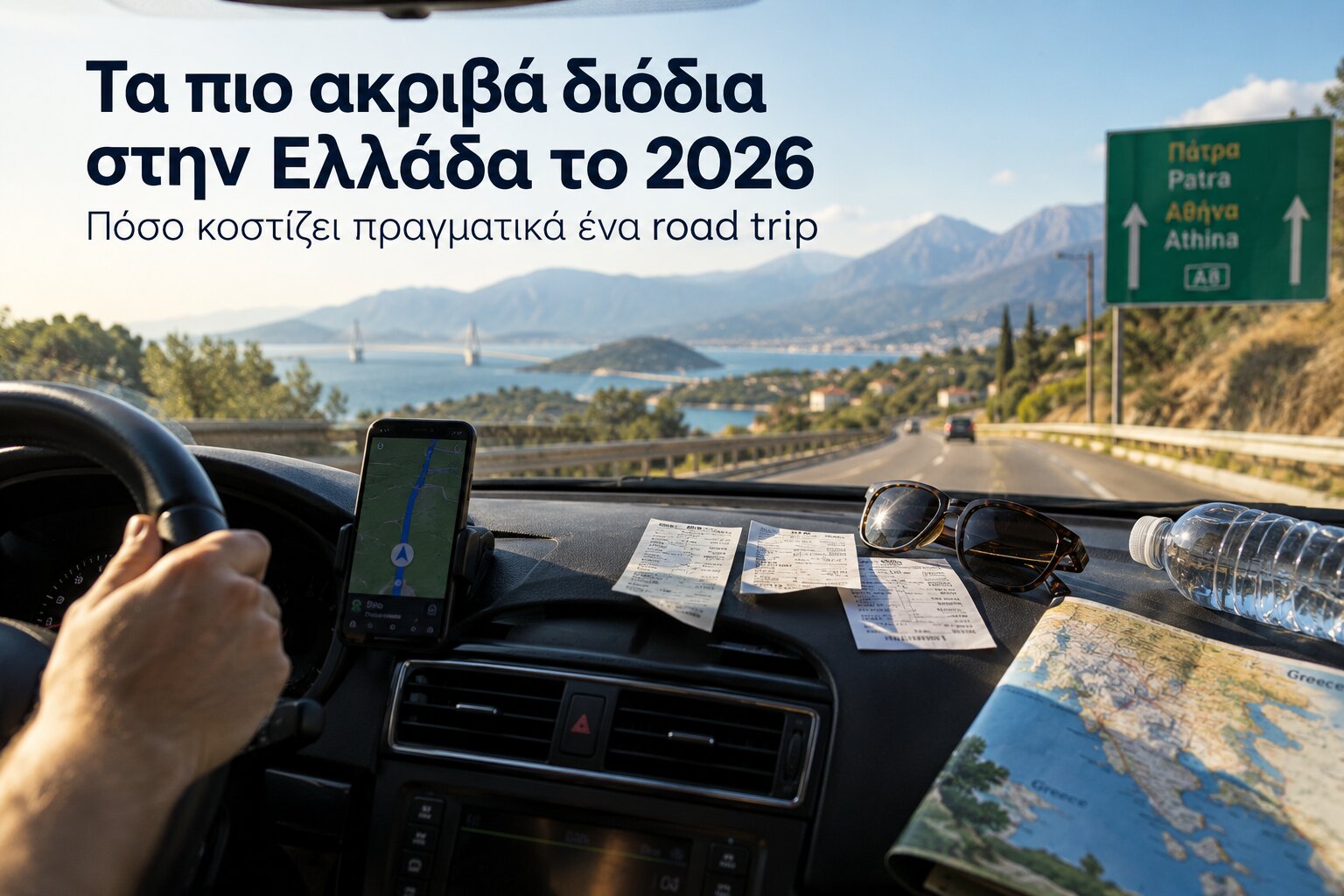
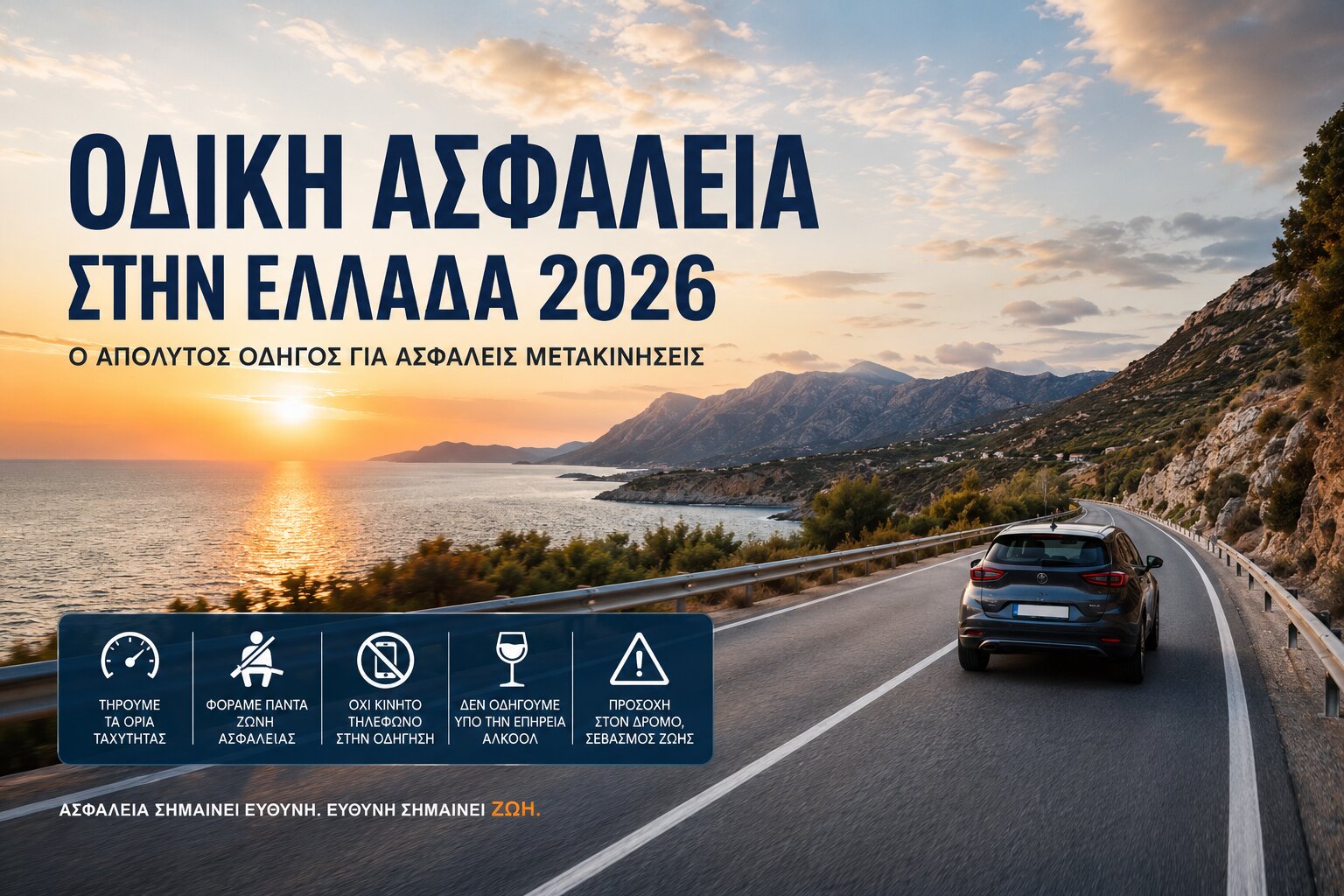
From Road Infrastructure to Driving Culture: Why Greece Needs Better Habits, Not Just Better Roads
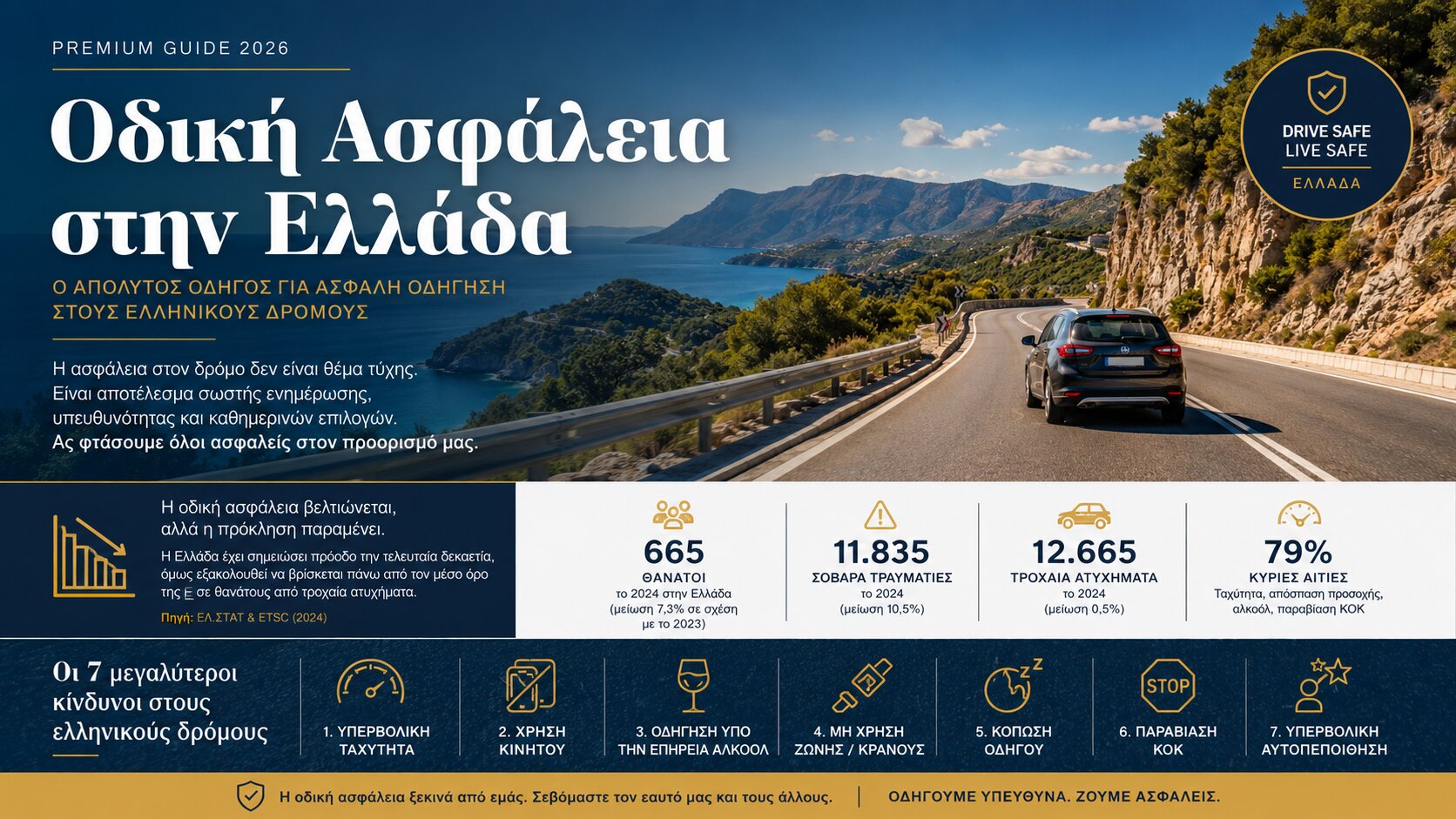
Greece is currently undergoing one of the most significant transformations of the past decades.
New motorways, digital technologies, smart mobility systems, and the continuous growth of tourism are creating an entirely new transportation landscape.
Although the country has shown signs of improvement, the reality remains complex.
According to preliminary figures published by the European Commission for 2025, Greece recorded one of the largest improvements in the European Union, reducing road fatalities by approximately 22% compared to 2024. However, road safety indicators remain significantly higher than those of Europe’s leading countries.
The conclusion is clear: Greece is no longer facing an infrastructure problem. It is facing a culture problem.
Greece Is One of Europe’s Most Beautiful Countries for Road Trips
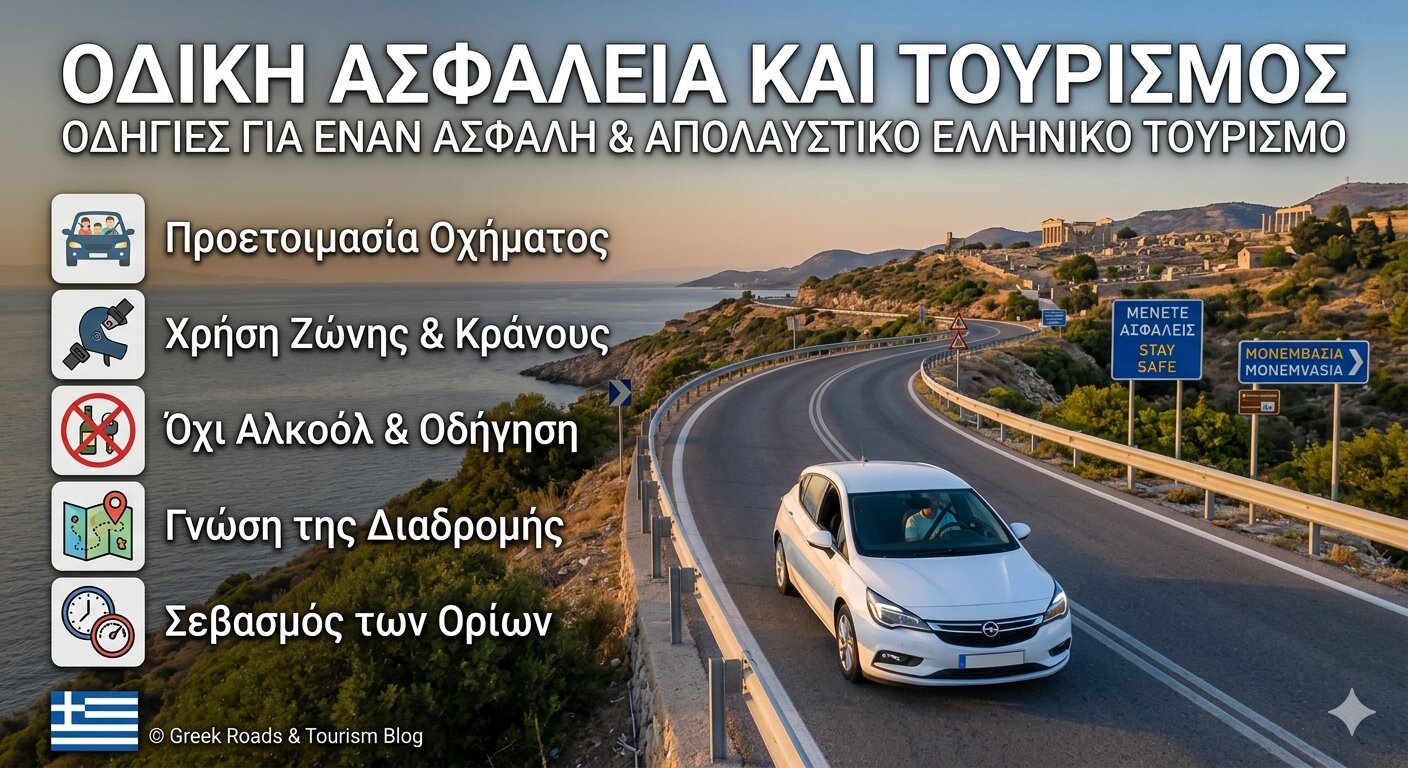
Very few countries offer such extraordinary geographical diversity.
Within just a few hours, a driver can travel:
- From downtown Athens
- To the mountain villages of Zagori
- Along the breathtaking coastlines of the Peloponnese
- Across the islands of the Aegean Sea
- Around the lakes of Western Macedonia
- Through the mountain passes of Epirus
However, this diversity is also one of Greece’s greatest challenges.
Greek roads require:
- Constant adaptation
- High concentration
- Risk anticipation
- Responsible behavior
The Numbers We Cannot Ignore
The European Union has established an ambitious objective: Reduce road deaths and serious injuries by 50% by 2030.
Despite overall progress, most countries are still not on track to achieve this target.
Key figures:
- Approximately 19,400 people lost their lives on EU roads in 2025.
- The European Union average in 2024 was 44 road deaths per million inhabitants, while Greece recorded approximately 64 deaths per million inhabitants.
- Sweden and Denmark remain Europe’s safest countries, with approximately 20 and 23 deaths per million inhabitants respectively.
- Greece recorded one of the largest annual improvements in 2025, reducing road fatalities by around 22% compared to 2024.
The Biggest Problem Is Driving Culture
There are four expressions commonly heard every day:
- “I know this road.”
- “It will only take two minutes.”
- “It won’t happen to me.”
- “I have enough time.”
These statements create a dangerous illusion of safety.
Behavioral science shows that excessive familiarity with a route significantly reduces our alertness.
The brain switches to autopilot mode.
And autopilot mode is dangerous.
The 10 Biggest Threats on Greek Roads
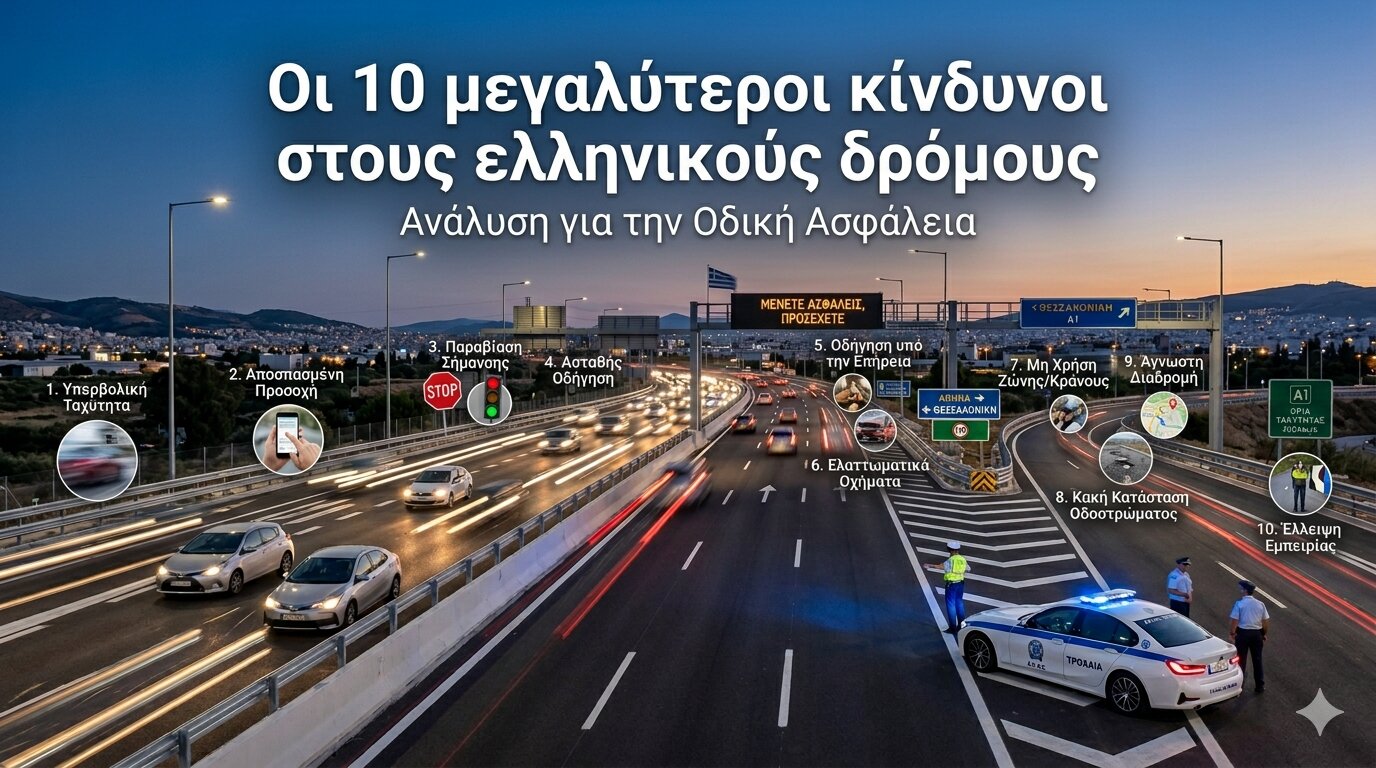
1. Speeding
Excessive speed:
- Reduces reaction time.
- Increases stopping distance.
- Significantly increases the severity of collisions.
2. Mobile Phone Use While Driving
One notification.
One message.
One quick glance.
That is all it takes to lose focus.
3. Driving Under the Influence of Alcohol
Alcohol affects:
- Judgment.
- Perception.
- Reflexes.
4. Driver Fatigue
Drowsiness remains one of the most underestimated dangers.
Experts recommend taking a break every two hours.
5. Aggressive Driving
Road anger causes:
- Sudden maneuvers.
- Poor decisions.
- Dangerous overtaking.
6. Not Wearing a Seat Belt
Seat belts save lives.
Without exception.
7. Not Wearing a Helmet
Especially critical for motorcycles, scooters, and ATVs.
8. Poor Vehicle Maintenance
Neglect can lead to:
- Worn tires.
- Brake failures.
- Mechanical issues.
9. Illegal Overtaking
It remains one of the leading causes of severe road accidents.
10. Overconfidence
Experience does not replace caution.
Where Do Most Fatal Road Accidents Occur in Europe?
European data shows:
- 53% of road fatalities occur on rural roads.
- 38% occur in urban areas.
- Only 8-9% occur on motorways.
This explains why driving in the Greek countryside requires additional attention.
The New Greek Driver of 2026
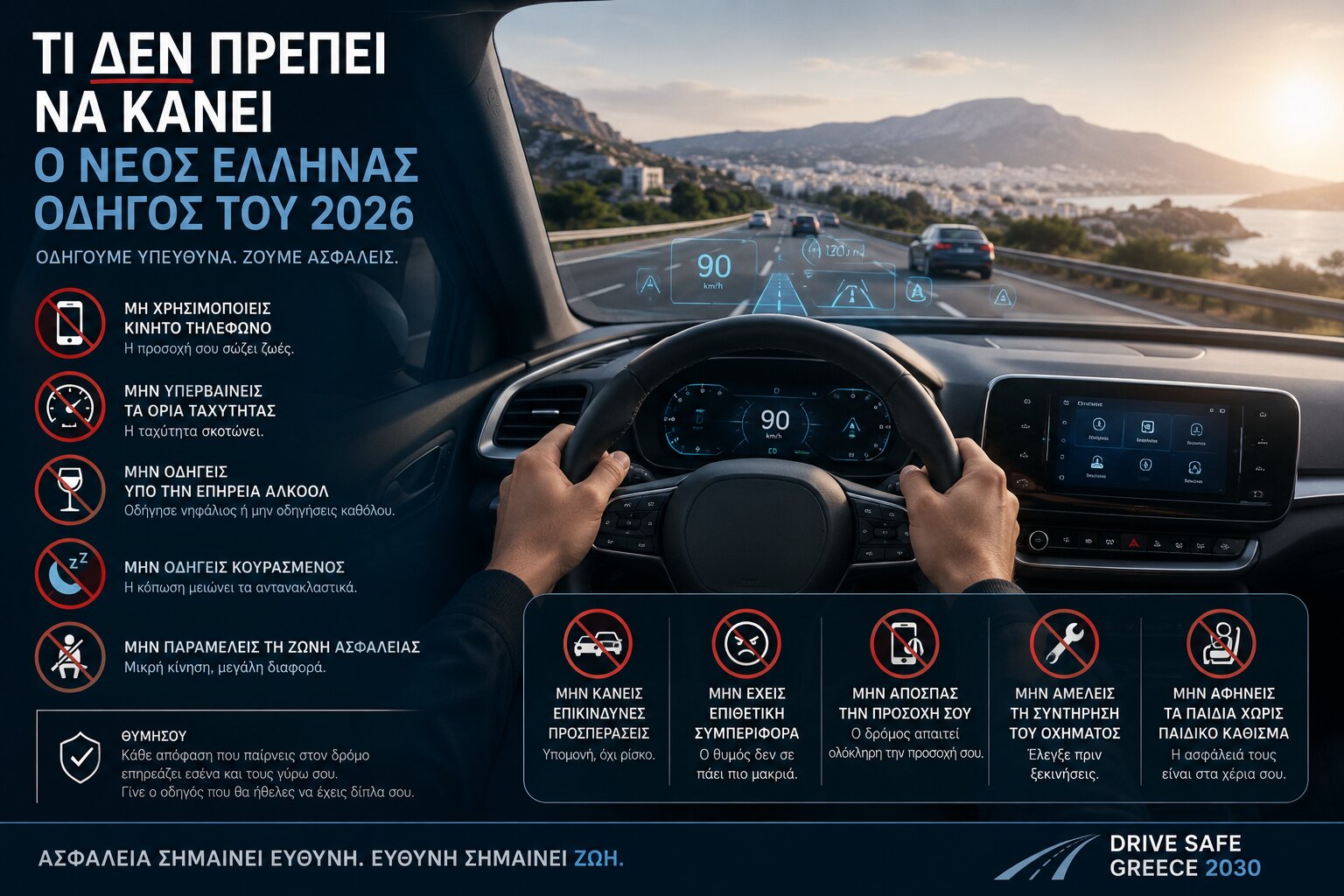
The modern driver is no longer defined by speed.
They are defined by responsibility.
A Safe Driver:
- Never uses a mobile phone while driving.
- Never drives when tired.
- Always wears a seat belt.
- Maintains safe following distances.
- Respects pedestrians.
- Respects cyclists.
- Properly maintains their vehicle.
- Plans their journey in advance.
- Stays calm under pressure.
- Anticipates risks.
Technology Is Transforming Road Safety
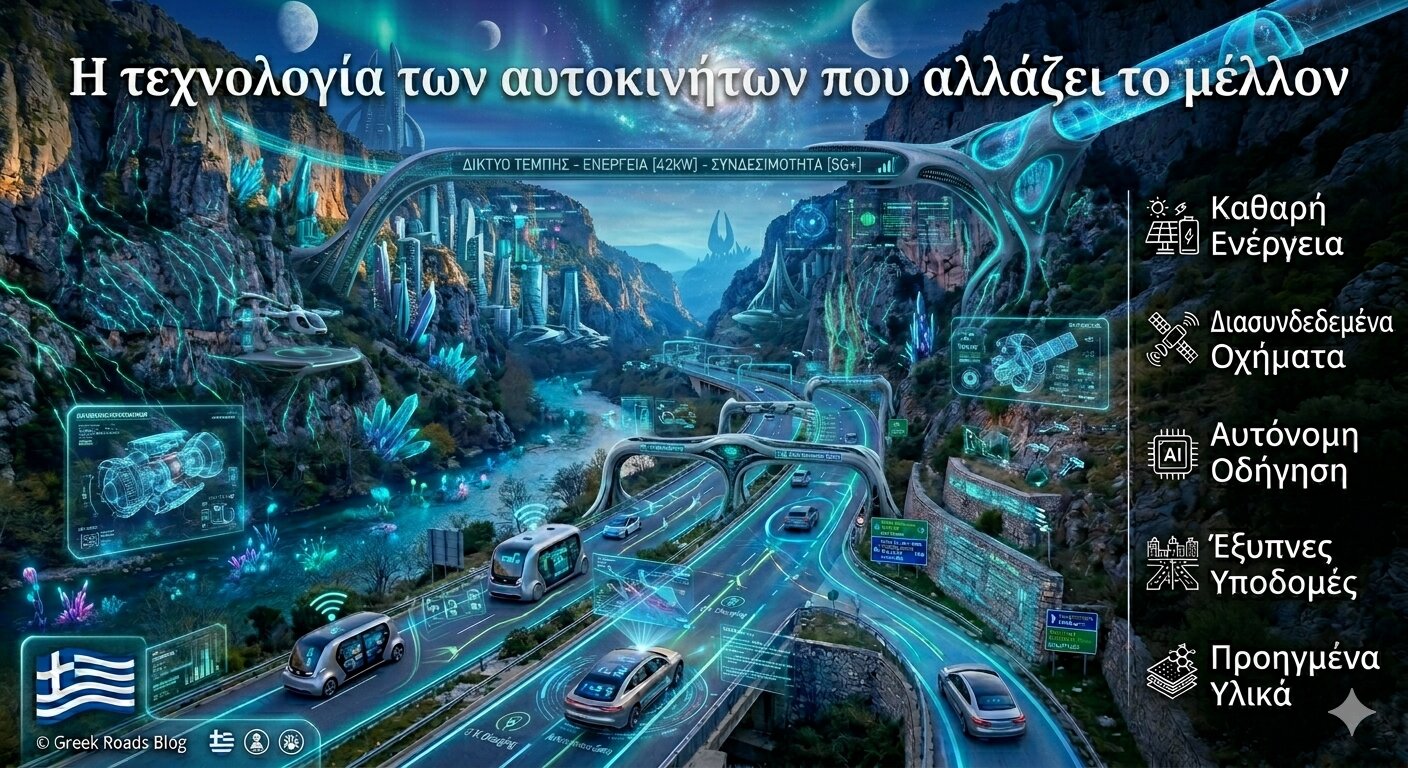
Modern vehicles are equipped with advanced driver assistance systems (ADAS).
Key technologies include:
Automatic Emergency Braking
Detects obstacles and reduces collision risks.
Lane Keeping Assistance
Helps keep the vehicle centered in its lane.
Pedestrian Detection
Improves safety in urban environments.
Adaptive Cruise Control
Maintains safe distances automatically.
Driver Fatigue Monitoring
Warns drivers when they need to rest.
However: Technology does not replace human responsibility. It supports it.
Road Safety and Tourism
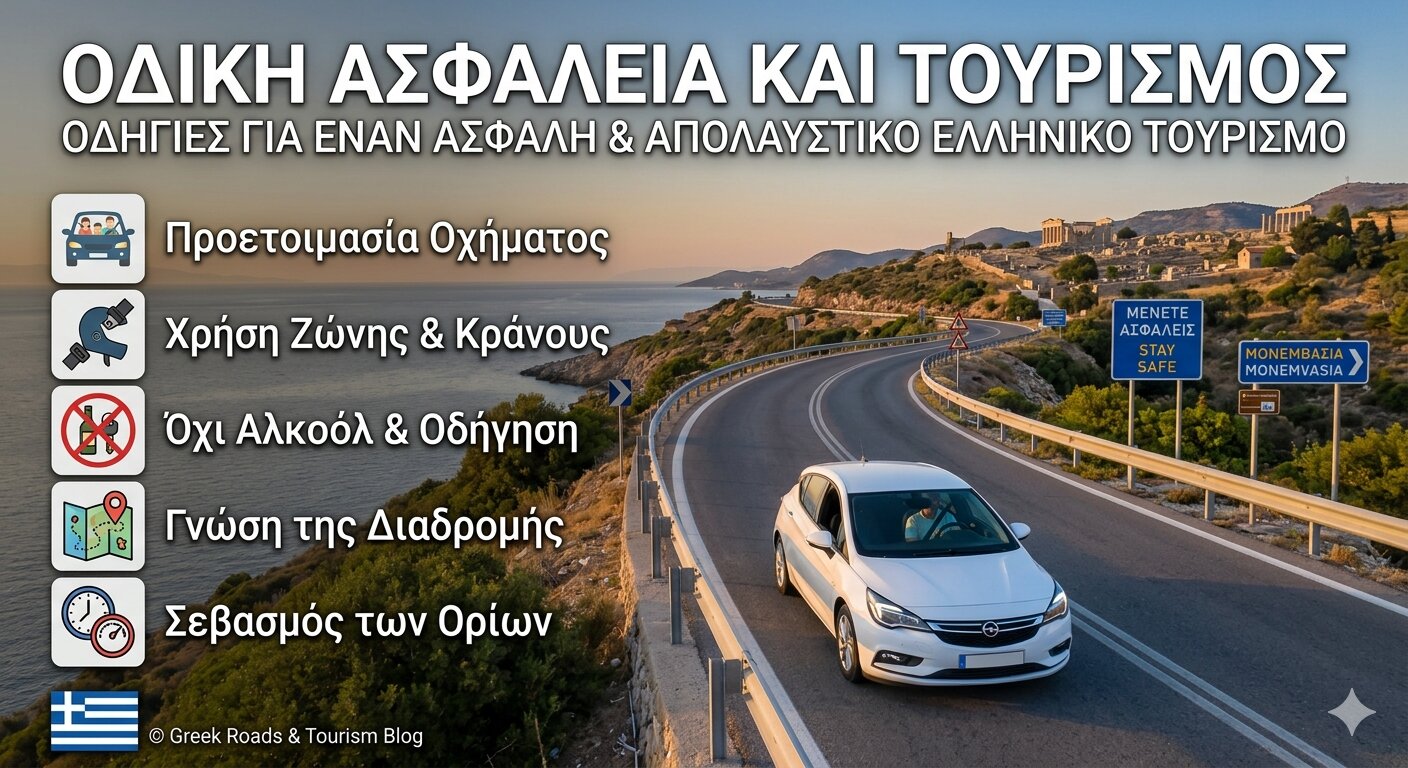
Greece welcomes millions of visitors every year.
During summer, roads are shared by:
- Tourists
- Rental cars
- Motorcycles
- Bicycles
- Electric scooters
This coexistence requires:
- More patience.
- More courtesy.
- More awareness.
The New Responsibility of Rental Car Companies
Car rental companies are becoming key contributors to road safety.
They can help through:
Digital Driver Education
Short road safety guides before vehicle pickup.
Safety Reminders
Emails and mobile notifications.
Modern Vehicle Fleets
Cars equipped with advanced safety technologies.
Transparency
Clear instructions for international visitors.
The Economic Cost of Road Accidents
Road accidents affect far more than the victims themselves.
They impact:
Healthcare Systems
Higher medical costs.
The Economy
Loss of productivity.
Tourism
A country’s international image can suffer.
Businesses
Operational costs increase.
Road safety is no longer just a social issue.
It is an economic strategy.
The Vision for 2030
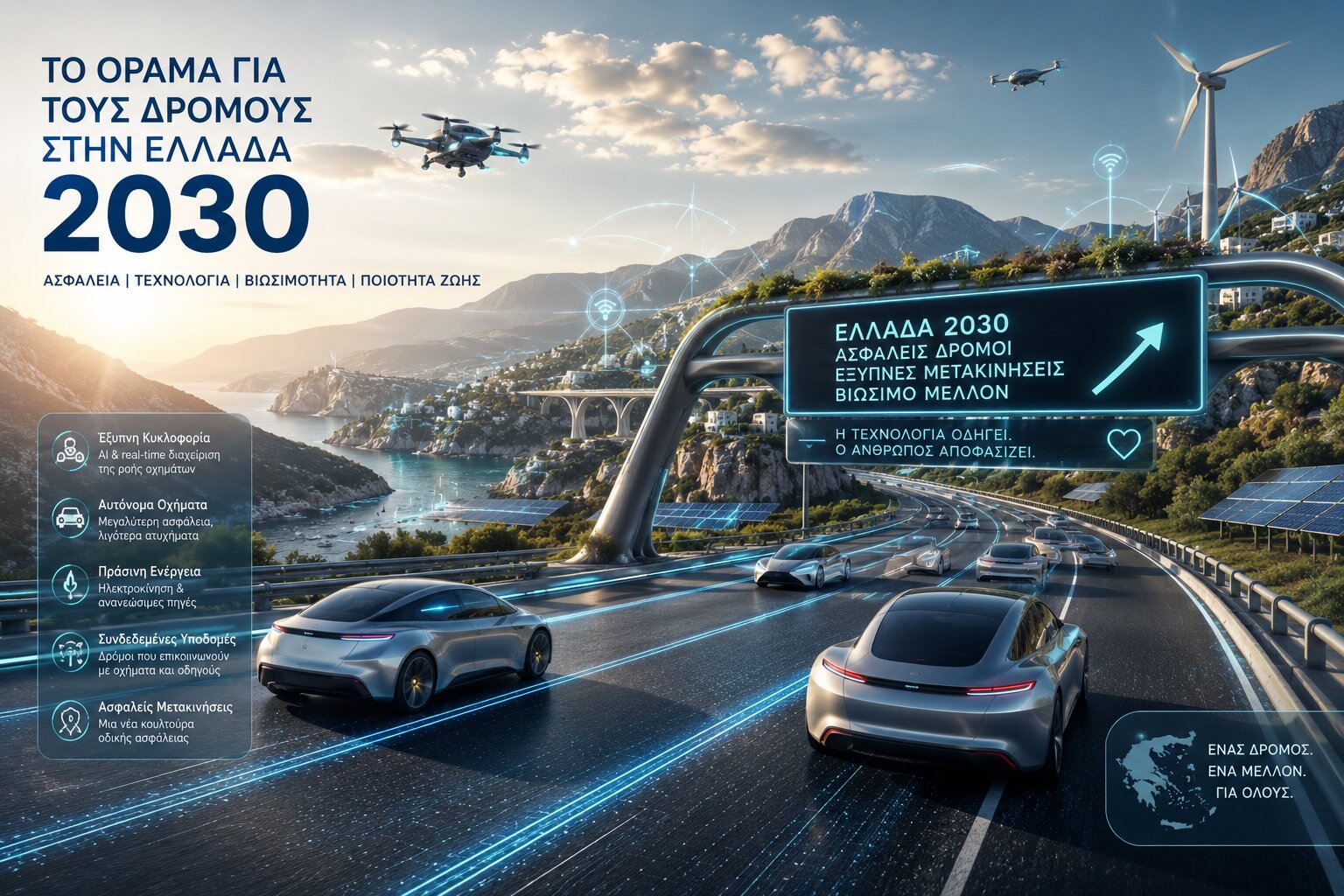
Greece has the potential to become one of the safest countries in the Mediterranean.
Achieving this requires investment in five pillars.
1. Infrastructure
Safer roads.
2. Education
A new driving culture.
3. Technology
Smart mobility systems.
4. Prevention
Continuous awareness campaigns.
5. Collective Responsibility
Active participation from every citizen.
Road safety is not a matter of luck.
It is the result of thousands of small decisions we make every day.
Every time we sit behind the wheel, we are not simply moving a vehicle.
We are carrying human lives.
And that may be the greatest responsibility every driver has.