
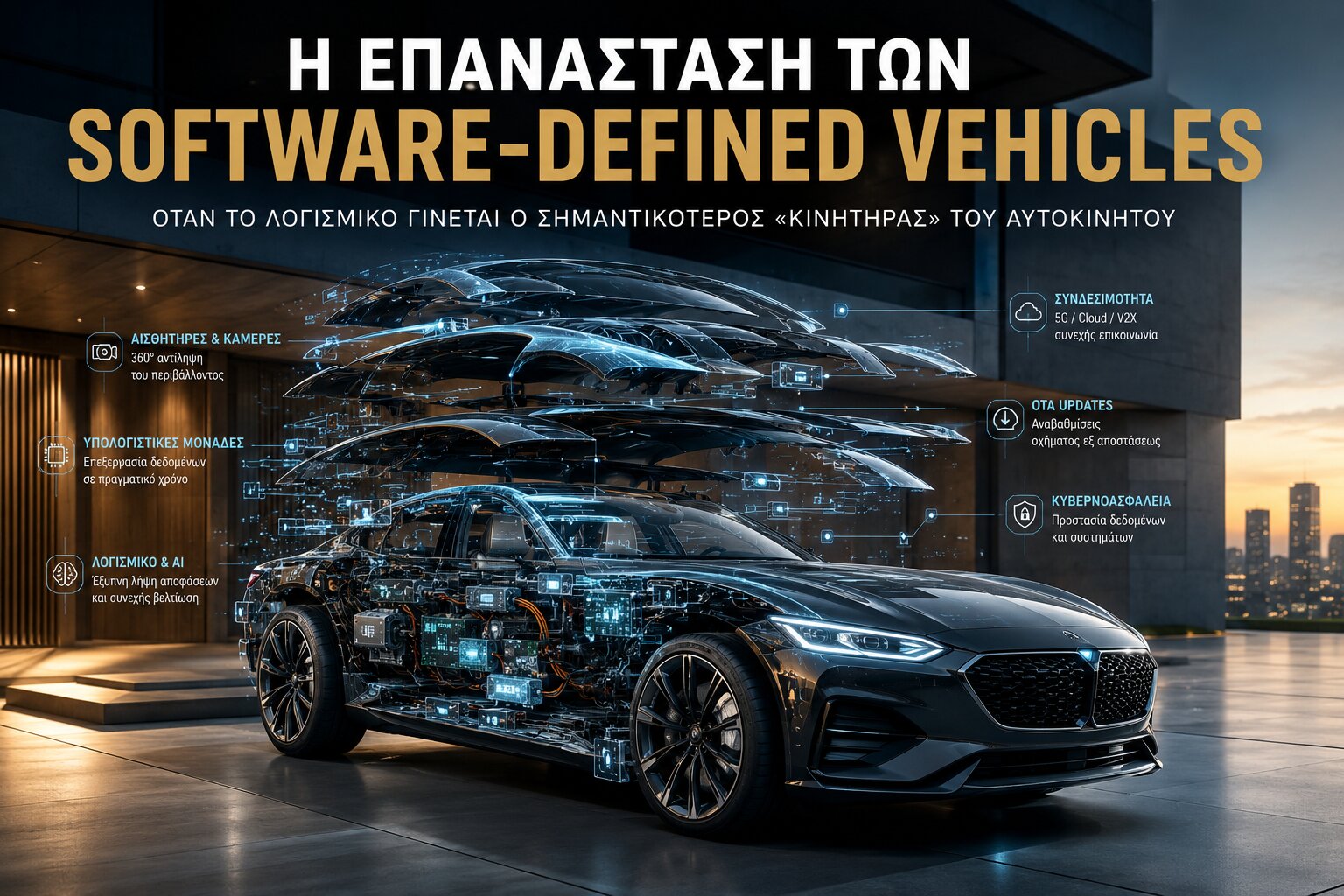
When Software Becomes the Most Important “Engine” of the Car
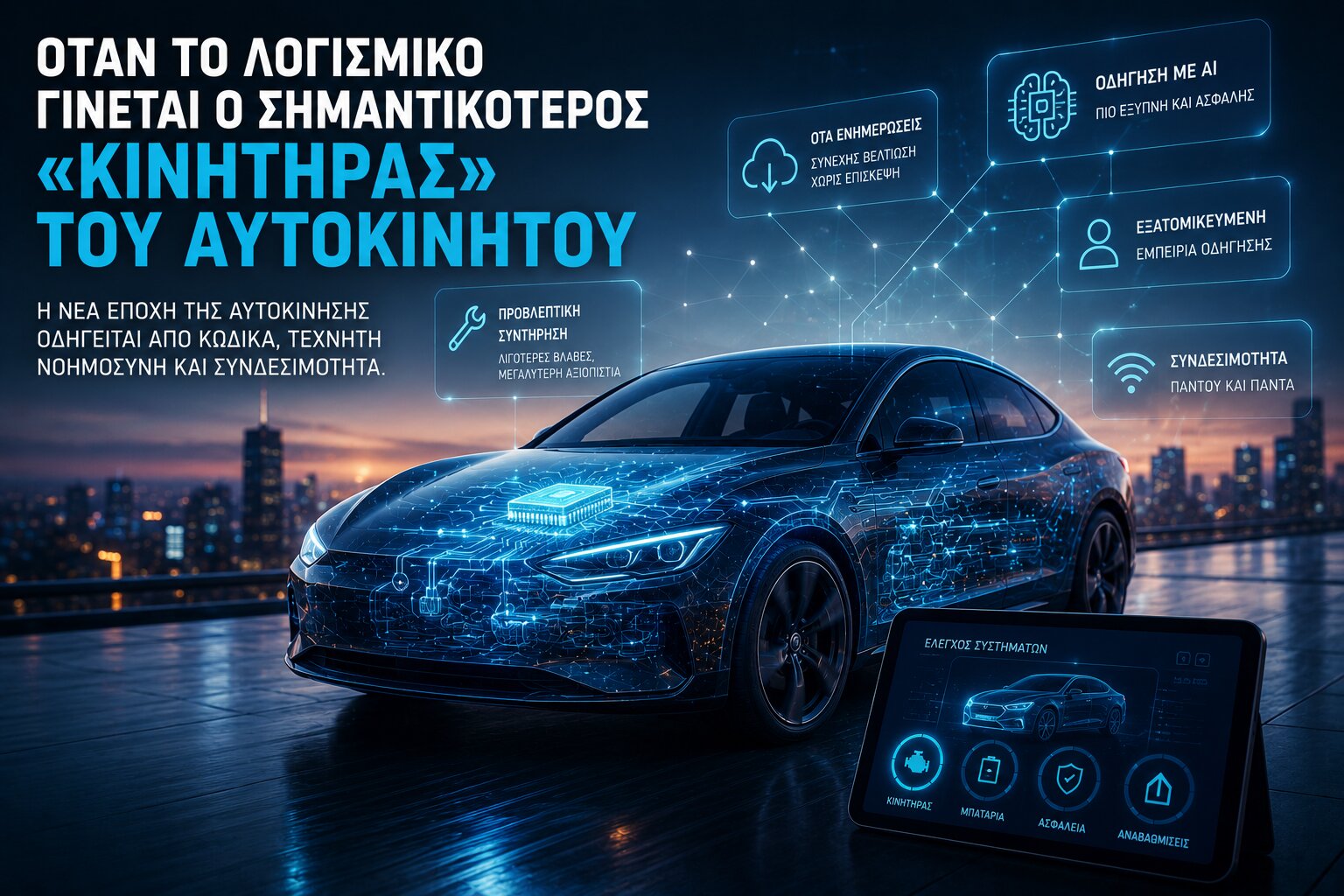
If someone had told you twenty years ago that your car would gain new features while parked in your driveway, it would have sounded like science fiction. Today, however, this is becoming the new reality. A modern vehicle is no longer just a combination of an engine, transmission, suspension, and mechanical components. It is evolving into a powerful computer on wheels—one that can continuously improve, adapt, and receive new capabilities through software.
This transformation represents one of the biggest shifts in automotive history since the invention of the internal combustion engine. The industry refers to this new generation of vehicles as Software-Defined Vehicles (SDVs)—cars whose capabilities, performance, and user experience are increasingly determined by software rather than hardware alone. As a result, manufacturers are fundamentally rethinking how vehicles are designed, developed, maintained, and upgraded throughout their lifecycle.
From Mechanical Engineering to Digital Engineering
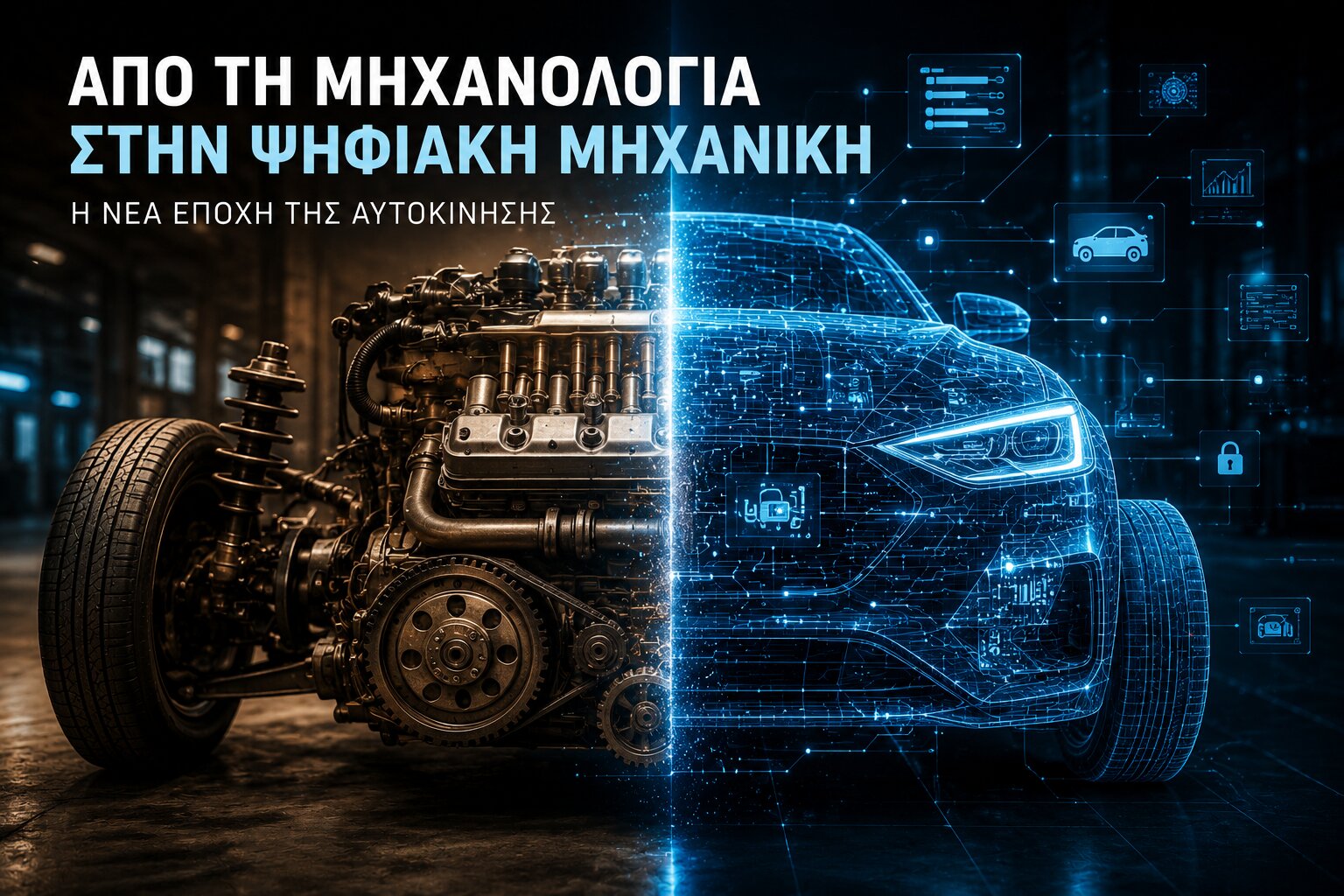
For more than a century, automotive innovation was driven primarily by mechanical improvements. Manufacturers focused on building more powerful engines, stronger chassis, more efficient transmissions, and safer suspension systems.
Today, that philosophy is changing dramatically.
The largest investments in the automotive industry are now directed toward:
- Software development
- Artificial Intelligence
- High-performance computing platforms
- Cloud infrastructure
- Cybersecurity
- Connected mobility services
In other words, the competitive advantage of a modern vehicle is no longer determined solely by horsepower, fuel economy, or acceleration. Increasingly, it depends on the intelligence, flexibility, and continuous evolution of its software.
What Exactly Is a Software-Defined Vehicle?
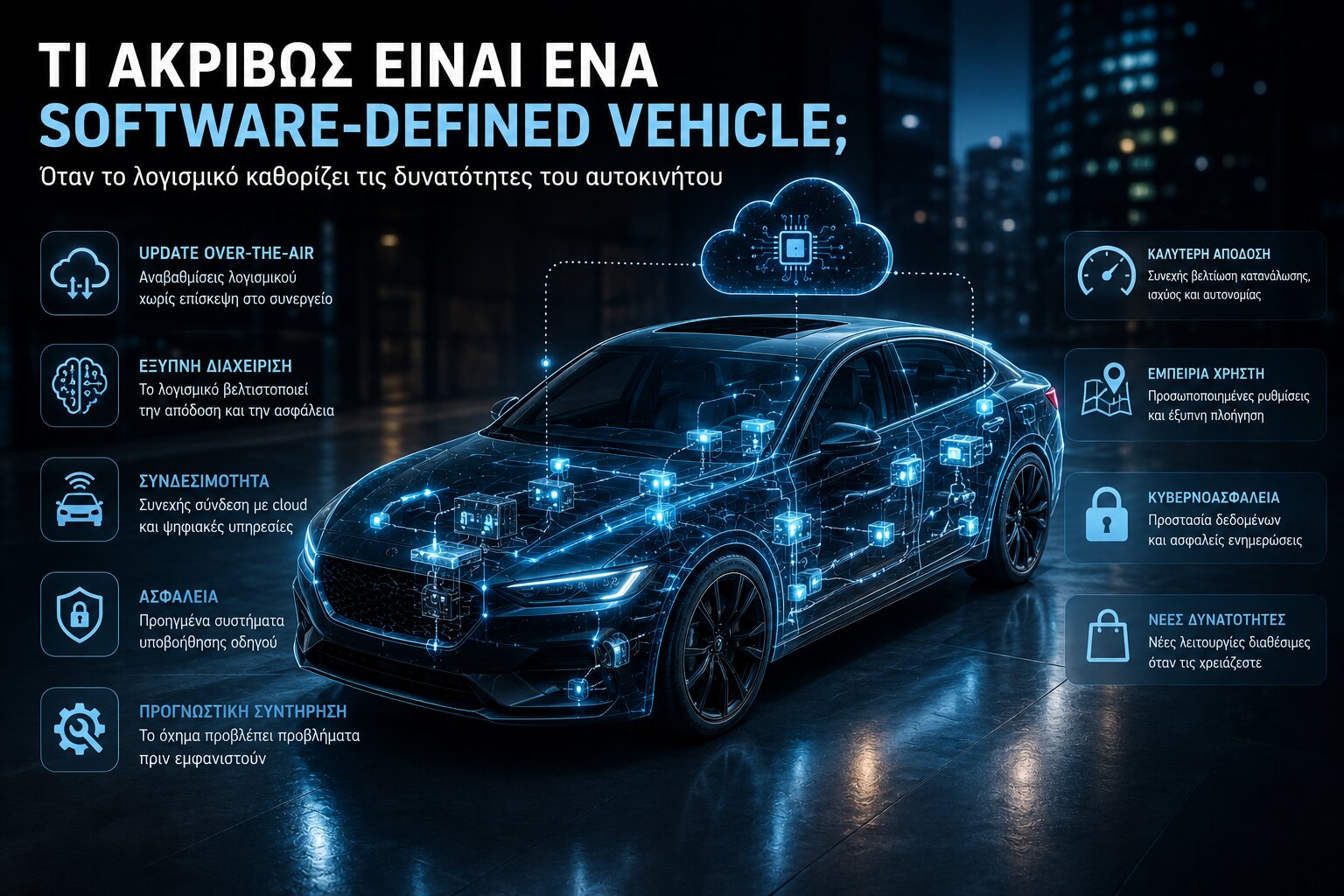
A Software-Defined Vehicle is a vehicle whose core functions can be added, improved, or modified through software updates without requiring physical hardware replacements.
Simply put, the car becomes a digital platform that continues to evolve long after it leaves the factory.
This means that features such as:
- Engine response
- Battery management
- Driver assistance systems
- Navigation
- Infotainment
- Suspension behavior
can all be enhanced through software updates instead of mechanical modifications or workshop visits.
This represents a major shift in automotive thinking. Traditionally, a vehicle was considered “finished” the moment it left the production line. In the SDV era, however, the car continues to evolve throughout its entire lifespan.
The Car Is Becoming… a Smartphone
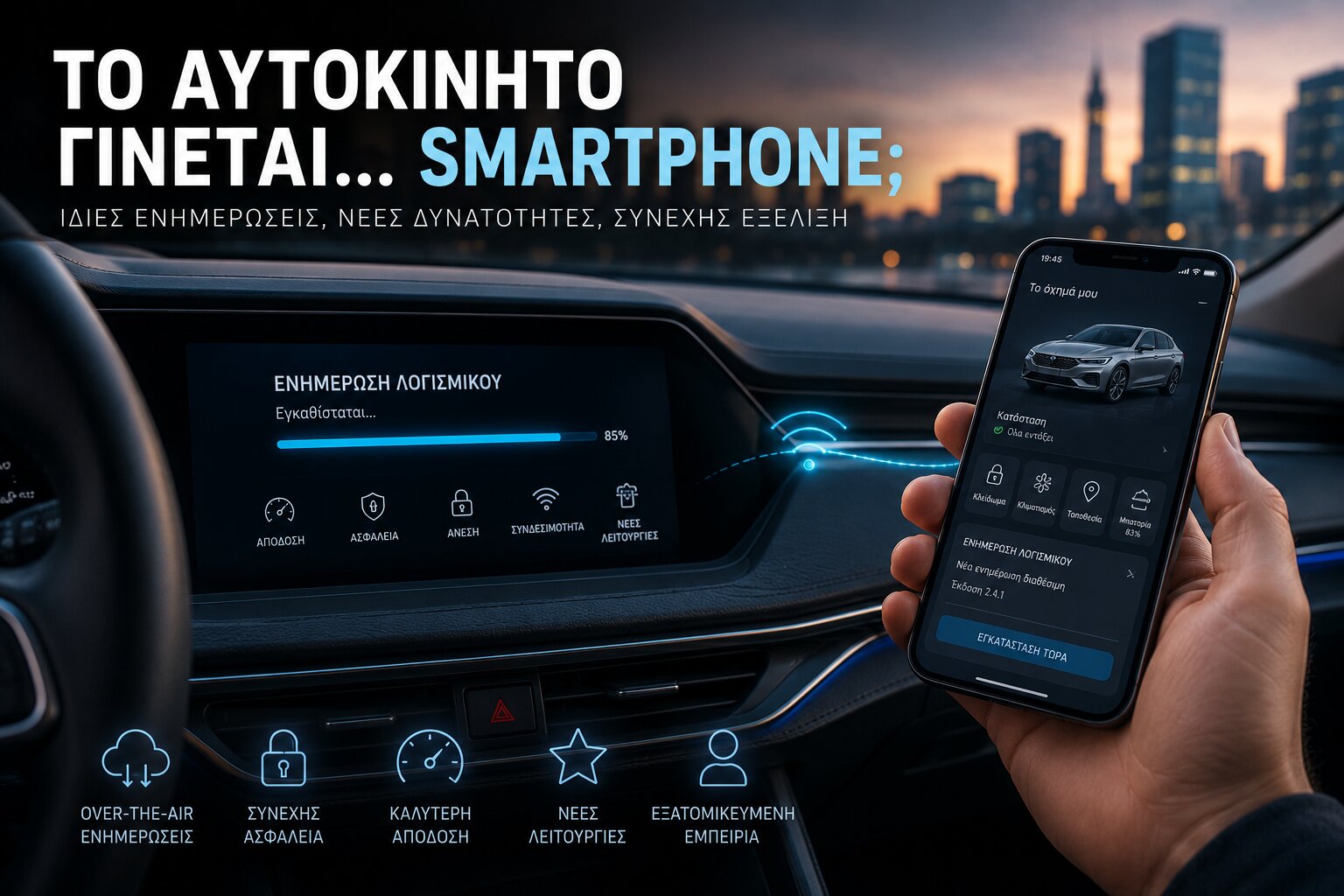
Perhaps the easiest way to understand this transformation is to compare it with smartphones.
Years ago, when you bought a phone, its features remained essentially unchanged until you replaced it.
Today, your smartphone continuously receives:
- New features
- Security improvements
- Performance enhancements
- New applications
- Bug fixes
The automotive industry is now following exactly the same philosophy.
A modern vehicle is no longer a static product. Instead, it becomes a constantly evolving platform capable of receiving improvements, new technologies, and additional functionality through software.
This shift fundamentally changes the ownership experience. Buying a new vehicle no longer means purchasing a product that gradually becomes outdated—it means investing in a platform that can continue improving for years.
Over-the-Air Updates Are Changing Everything
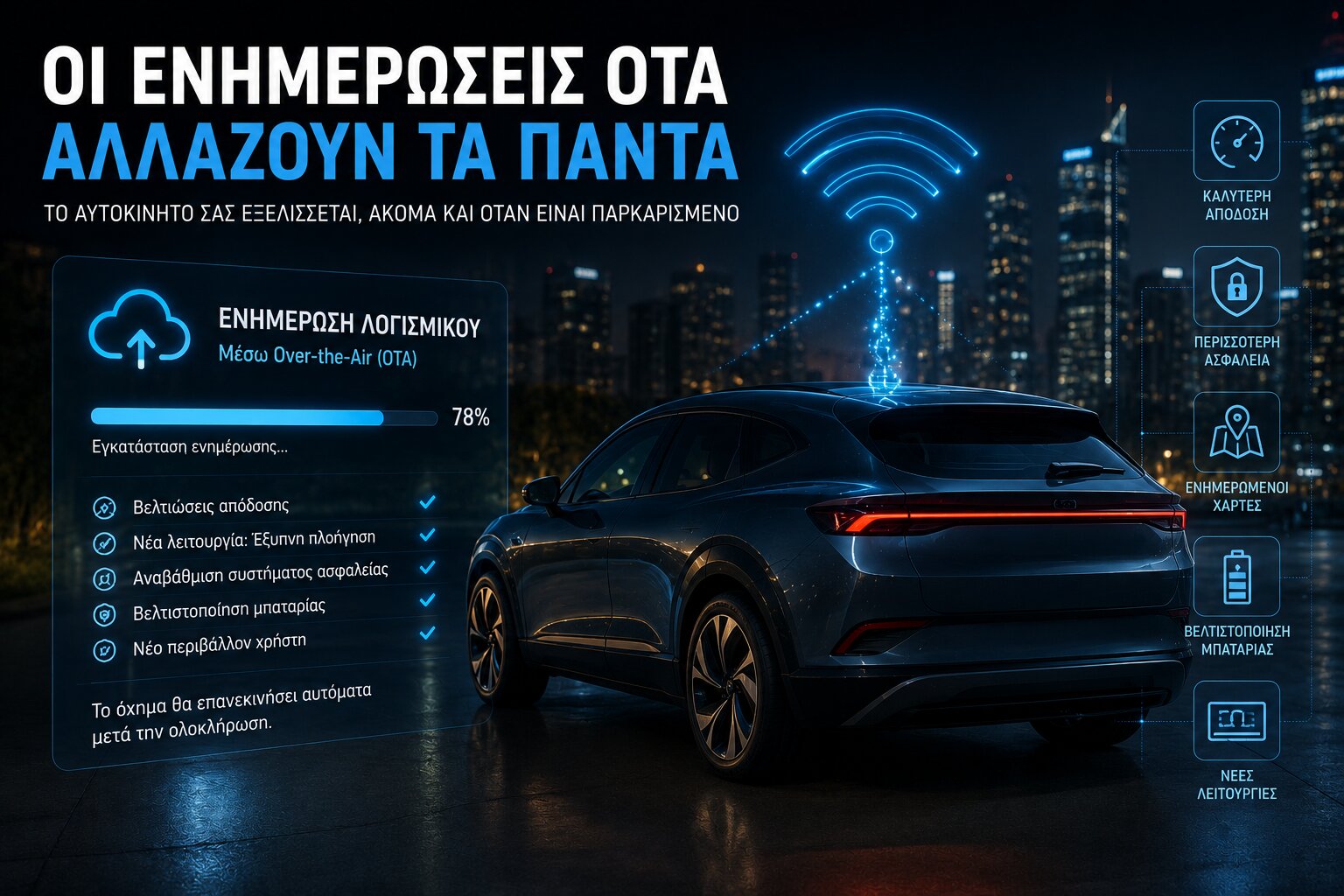
One of the defining technologies behind Software-Defined Vehicles is the Over-the-Air (OTA) software update.
Just as smartphones automatically install new operating system versions, SDVs can receive software improvements wirelessly without requiring a dealership visit.
These updates can include:
- Bug fixes
- Improved cybersecurity
- Better energy efficiency
- Updated infotainment systems
- Enhanced driver assistance features
- Optimized battery management for electric vehicles
The most significant advantage is convenience. Many improvements happen automatically while the vehicle is parked, eliminating unnecessary service appointments.
What once required replacing hardware can now often be achieved simply by downloading new software.
Why Are Manufacturers Changing Their Entire Philosophy?
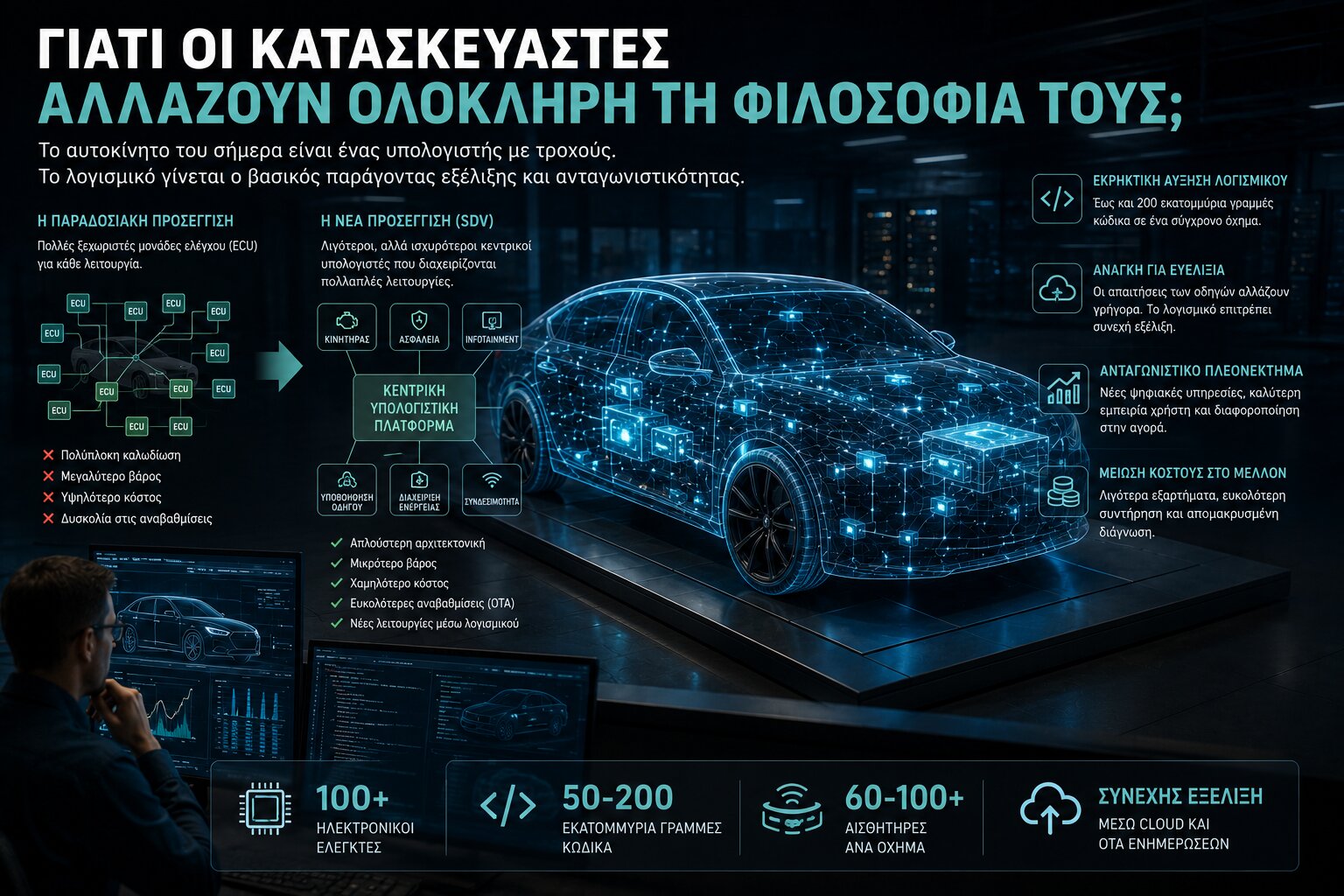
The answer lies in the growing complexity of modern vehicles.
Today’s cars can contain:
- More than 100 electronic control units (ECUs)
- Tens or even hundreds of millions of lines of software code
- Dozens of sensors
- Multiple cameras
- Radar systems
- LiDAR sensors in certain models
- Permanent internet connectivity
In traditional vehicle architectures, each electronic function typically relied on its own dedicated controller. While effective, this approach increased complexity, wiring, weight, and production costs.
Software-Defined Vehicles introduce a different architecture.
Instead of dozens of isolated computers, manufacturers are moving toward centralized high-performance computing platforms capable of managing multiple vehicle functions simultaneously.
This new architecture simplifies software development, enables faster updates, reduces system complexity, and provides greater flexibility for future innovations.
Artificial Intelligence Takes the Passenger Seat
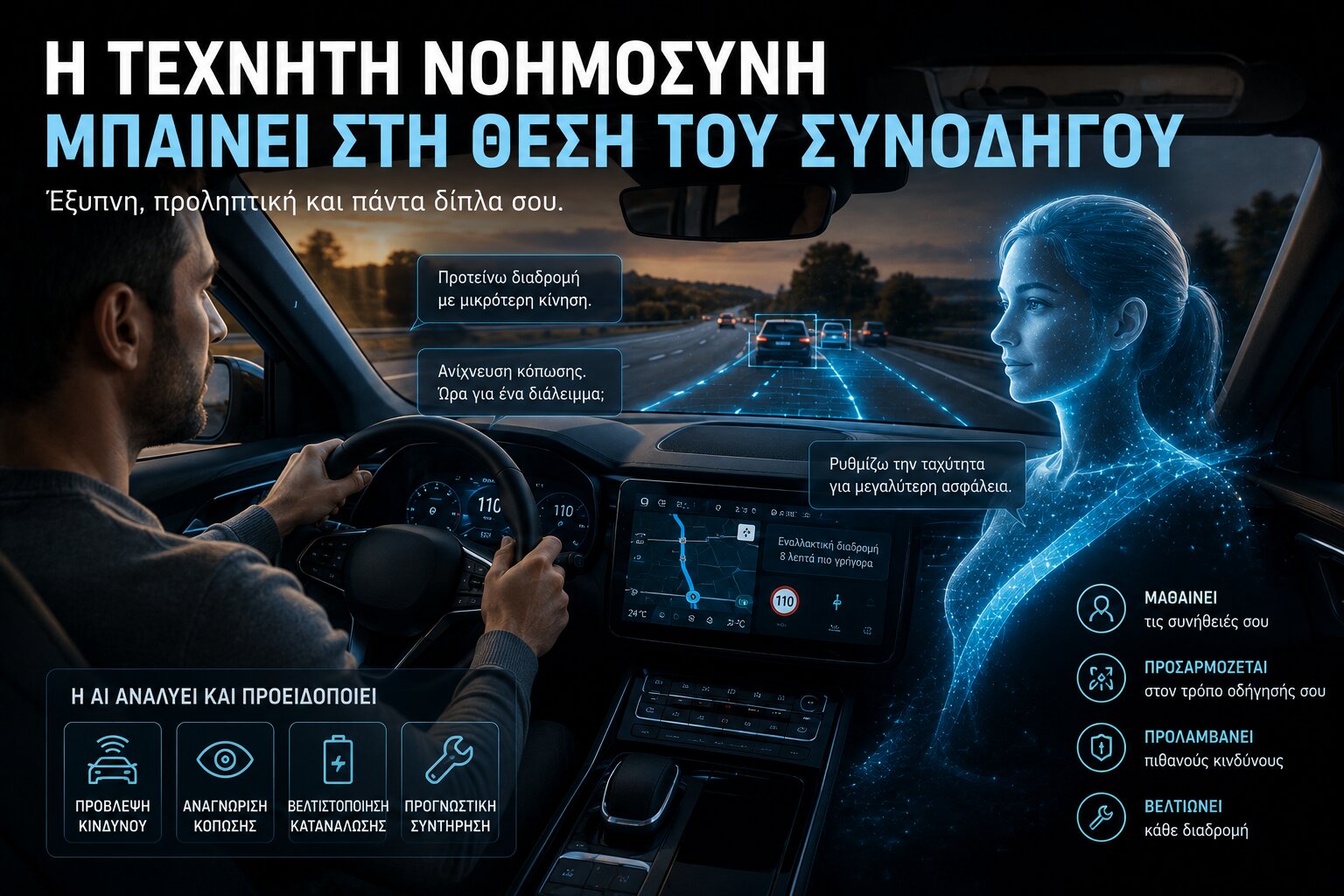
Artificial Intelligence is no longer limited to chatbots or virtual assistants. It is becoming one of the most important technologies inside modern vehicles.
AI systems can process enormous amounts of information from cameras, radar, sensors, GPS data, and vehicle systems within milliseconds, helping the vehicle make smarter and faster decisions.
Current and emerging applications include:
- Predicting hazardous driving situations
- Detecting driver fatigue or distraction
- Optimizing energy consumption
- Managing battery charging more efficiently
- Personalizing vehicle settings for individual drivers
- Predictive maintenance before mechanical failures occur
Future generations of Software-Defined Vehicles are expected to integrate even more advanced AI capabilities, allowing vehicles not only to respond to commands but also to learn from driving habits and continuously adapt to the preferences of their owners.
Artificial Intelligence is rapidly becoming an invisible co-pilot—working quietly in the background to improve safety, comfort, efficiency, and the overall driving experience.
How Software Is Transforming Driving, Safety, and the Future of Mobility
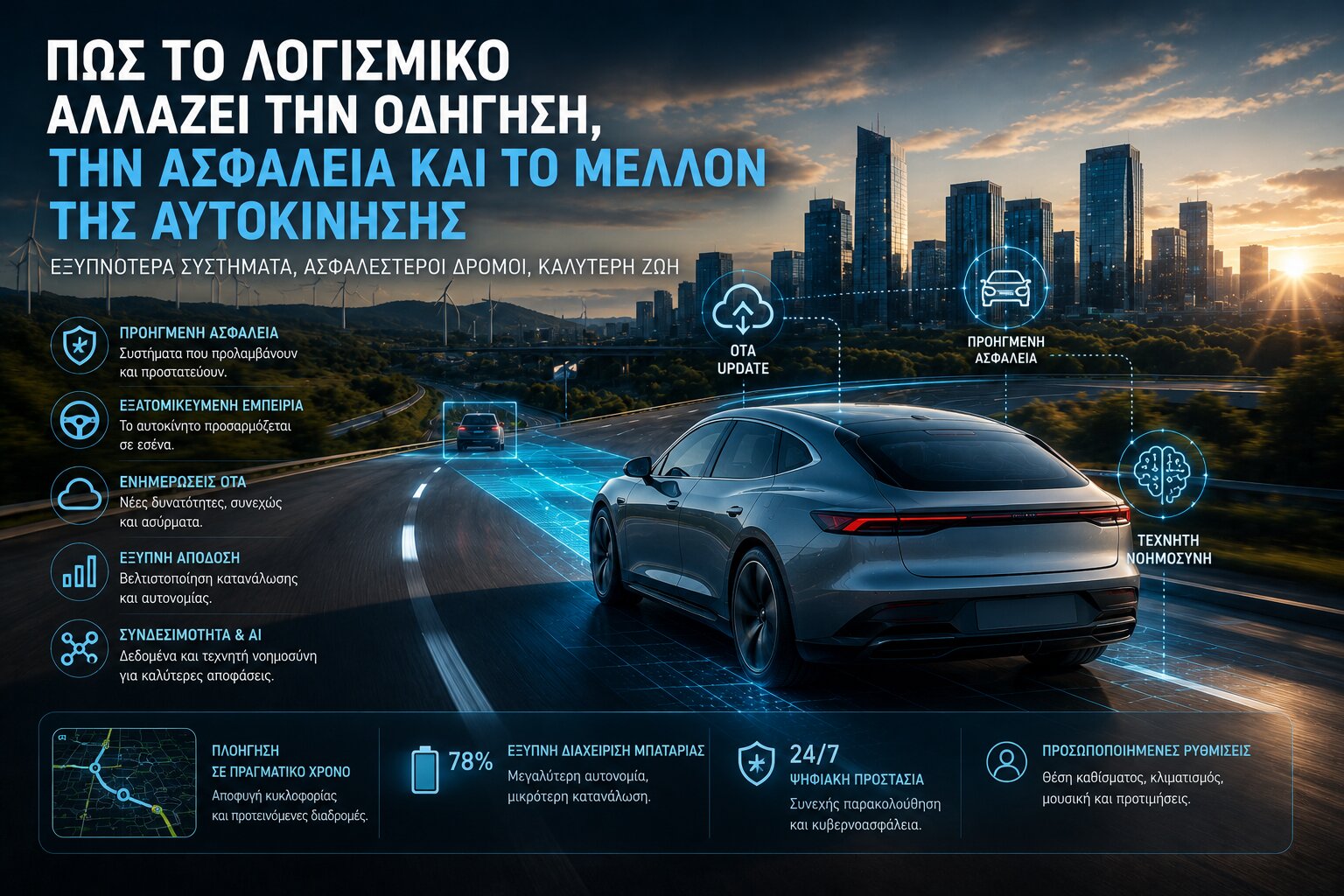
In Part 1, we explored how Software-Defined Vehicles (SDVs) are transforming cars from purely mechanical machines into continuously evolving digital platforms. But the biggest change goes far beyond the technology hidden beneath the bodywork. It fundamentally reshapes how we drive, maintain, buy, and experience our vehicles.
The automobile is entering an era where software is just as important as horsepower—and in many cases, even more valuable.
Driving Becomes Smarter and More Personalized
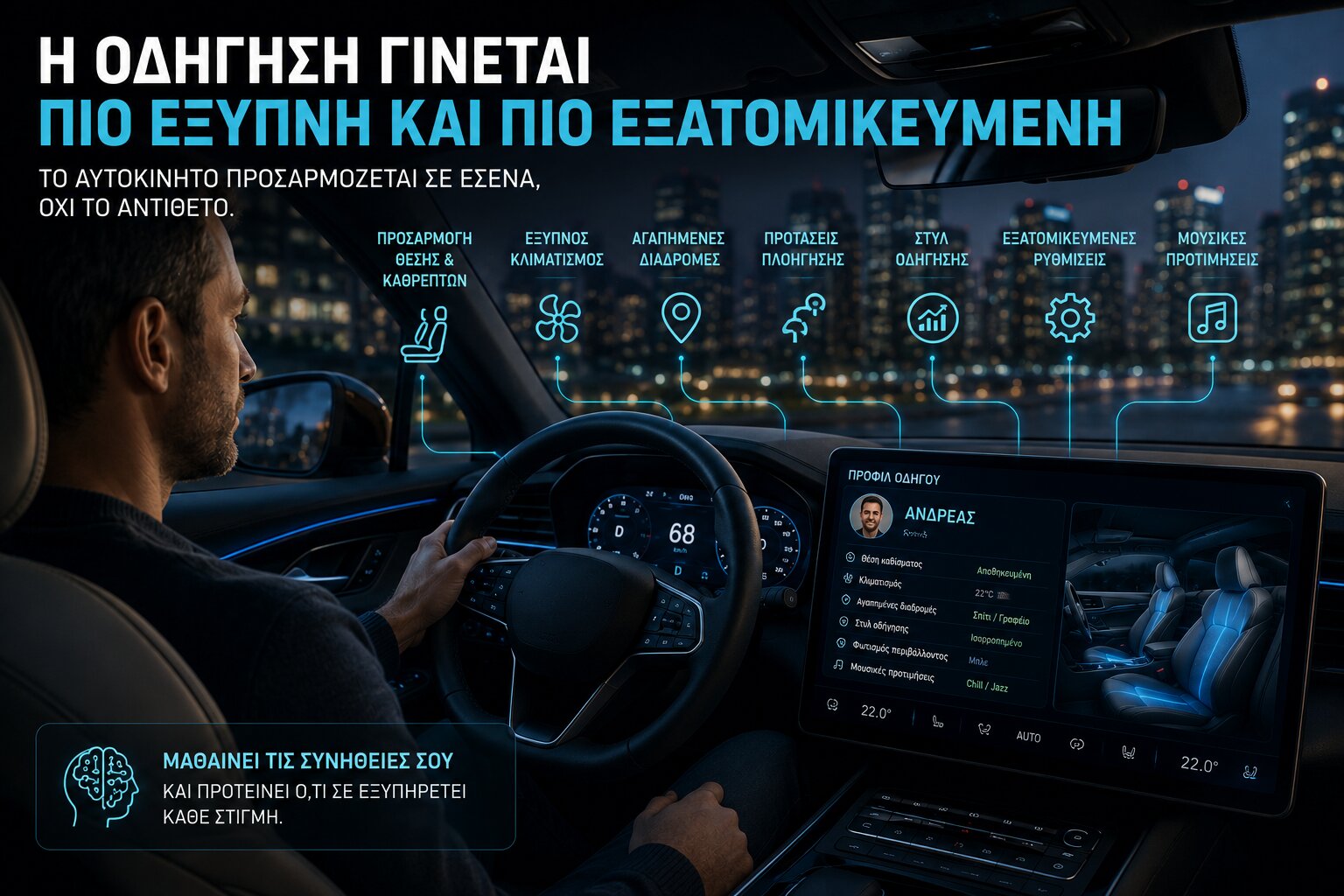
Modern vehicles already generate thousands of data points every second through cameras, radar, sensors, GPS, and onboard computers. In a Software-Defined Vehicle, these data are not only used for real-time vehicle operation but also to continuously improve the driving experience.
Instead of simply reacting to driver inputs, the vehicle begins to understand habits and preferences.
It can automatically adjust:
- Seat and mirror positions
- Climate control preferences
- Favorite navigation routes
- Driving modes
- Energy regeneration settings in electric vehicles
- Infotainment preferences
- Personalized vehicle profiles for multiple drivers
The result is a vehicle that adapts to its owner rather than forcing the owner to adapt to the vehicle.
As Artificial Intelligence becomes more sophisticated, personalization will become one of the defining characteristics of future mobility.
Maintenance Enters the Era of Prevention
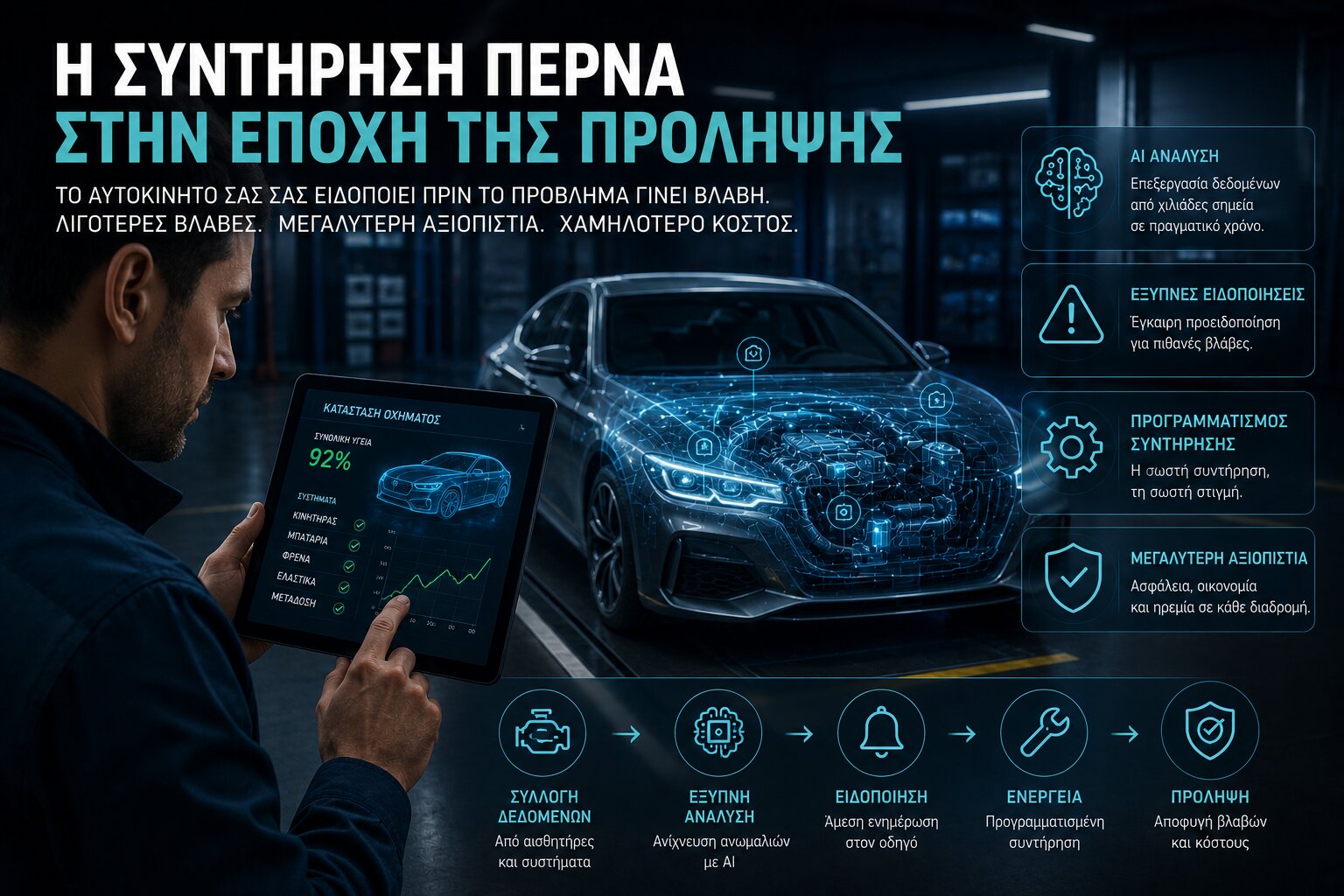
One of the greatest advantages of Software-Defined Vehicles is Predictive Maintenance.
Traditionally, maintenance has been reactive. Drivers usually discover a problem only after a warning light appears or a mechanical failure occurs.
Software changes that completely.
By continuously monitoring thousands of operating parameters, the vehicle can detect subtle anomalies long before they develop into serious failures.
For example, an SDV may identify:
- Abnormal battery temperature
- Early signs of electric motor wear
- Brake degradation
- Charging irregularities
- Sensor malfunctions
- Cooling system inefficiencies
Instead of waiting for a breakdown, the vehicle can notify the driver—or even the service center—that maintenance should be scheduled.
This proactive approach reduces repair costs, minimizes unexpected downtime, improves reliability, and extends the lifespan of critical components.
Safety Is No Longer Defined by Airbags Alone
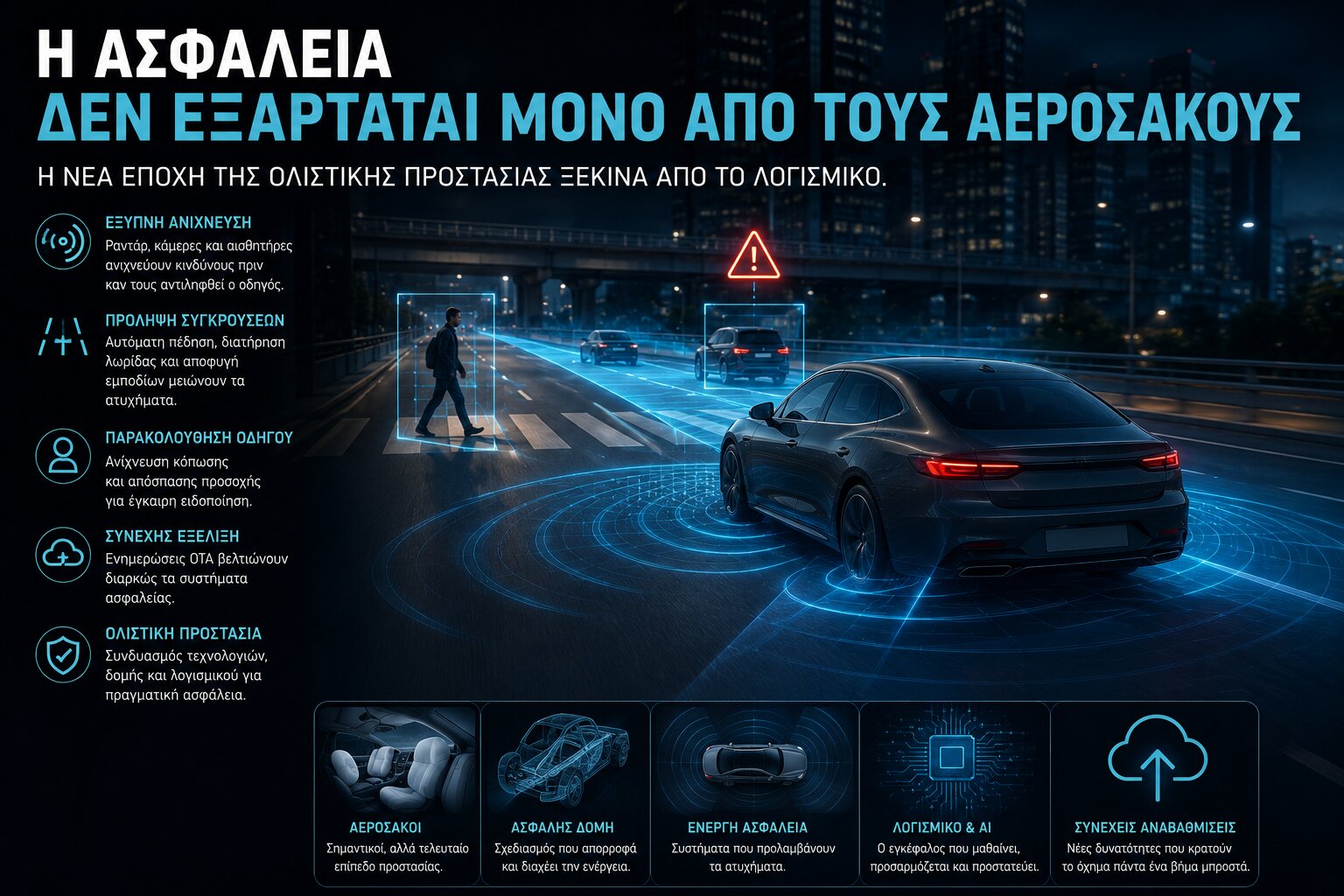
For decades, vehicle safety was measured primarily by mechanical systems such as airbags, crumple zones, seatbelts, and braking performance.
Those technologies remain essential.
However, modern vehicle safety increasingly depends on software.
Advanced Driver Assistance Systems (ADAS) continuously analyze information from cameras, radar, ultrasonic sensors, and high-definition maps to help drivers avoid accidents before they happen.
These systems can:
- Detect pedestrians and cyclists
- Keep the vehicle centered within its lane
- Automatically adjust cruising speed
- Warn of potential collisions
- Apply emergency braking
- Monitor blind spots
- Recognize traffic signs
- Detect driver fatigue
Because these functions rely heavily on software, manufacturers can improve their performance through Over-the-Air updates without replacing any physical components.
As algorithms evolve, vehicles become safer throughout their lifetime.
When the Car Is Always Connected
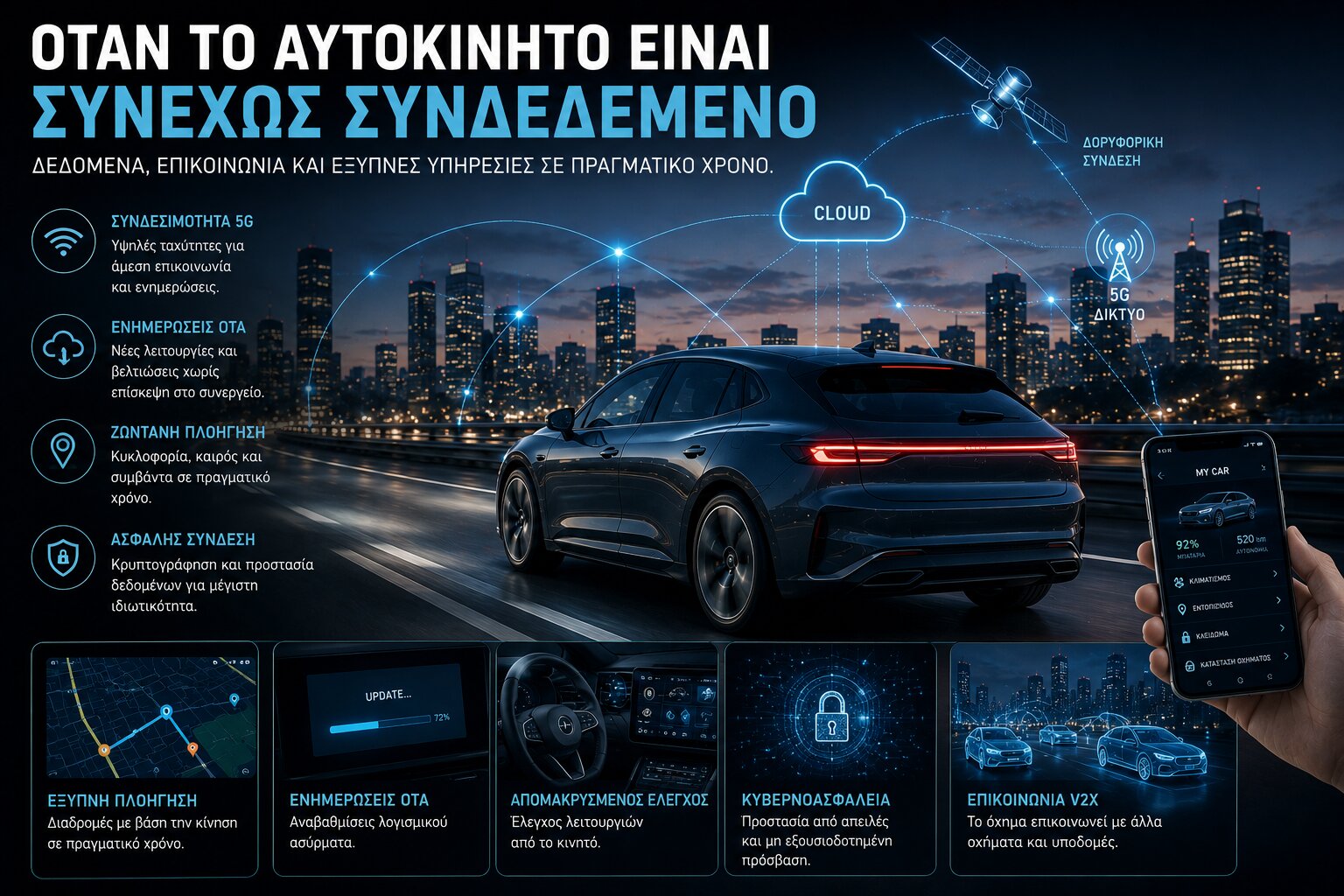
Connectivity has become one of the defining features of modern vehicles.
Today’s connected cars maintain continuous communication with cloud platforms, mobile applications, navigation services, and manufacturer servers.
This enables features such as:
- Live traffic information
- Real-time navigation updates
- Remote diagnostics
- Smartphone vehicle management
- Remote locking and unlocking
- Climate control activation before entering the vehicle
- Battery charging management
- Automatic software updates
Connectivity also allows service centers to identify certain technical issues before the customer even schedules an appointment.
The relationship between the vehicle, the driver, and the manufacturer is becoming continuous rather than occasional.
The New Challenge Is Cybersecurity

As vehicles become increasingly connected, cybersecurity becomes one of the industry’s highest priorities.
Modern cars exchange enormous volumes of information with cloud services, mobile applications, charging networks, and digital ecosystems.
Protecting that information—and the vehicle itself—has become essential.
Manufacturers now invest heavily in:
- End-to-end data encryption
- Secure software authentication
- Protected Over-the-Air updates
- Intrusion detection systems
- Continuous cybersecurity monitoring
- Multi-layer digital protection
International regulations have also become significantly stricter, requiring cybersecurity to be integrated into vehicle development from the very beginning rather than added as an afterthought.
In the Software-Defined Vehicle era, cybersecurity is no longer simply an IT issue—it is a fundamental component of vehicle safety.
What Does This Mean for Electric Vehicles?
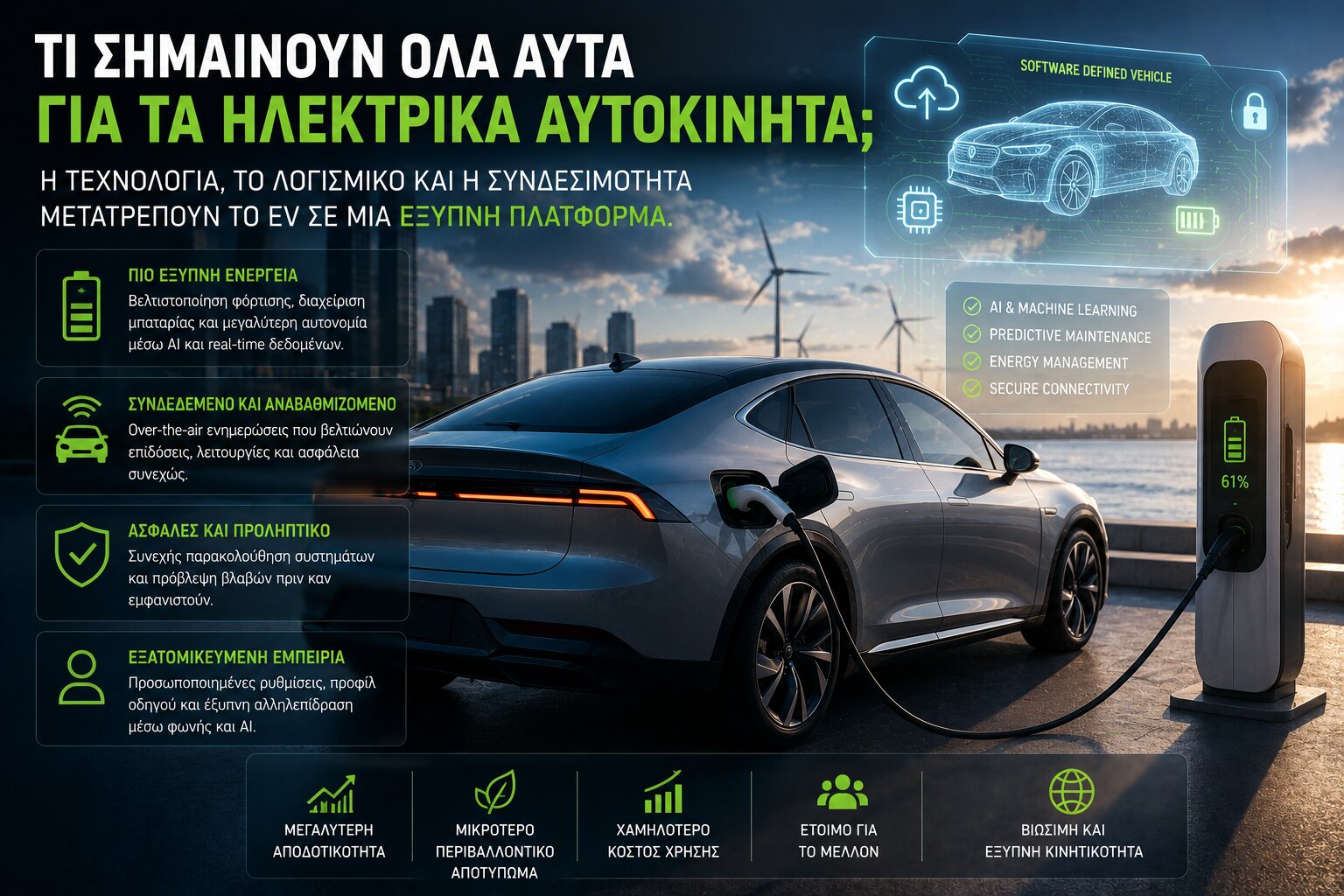
Electric vehicles are among the greatest beneficiaries of the Software-Defined Vehicle philosophy.
Unlike conventional vehicles, EV performance depends heavily on software.
Intelligent software continuously optimizes:
- Battery management
- Charging efficiency
- Driving range
- Thermal management
- Energy regeneration
- Power delivery
- Charging strategies
Even small improvements in software algorithms can increase driving range, improve charging speed, and enhance battery longevity without any physical hardware changes.
For electric vehicles, software has become just as important as the battery itself.
How the Used Car Market Is Changing
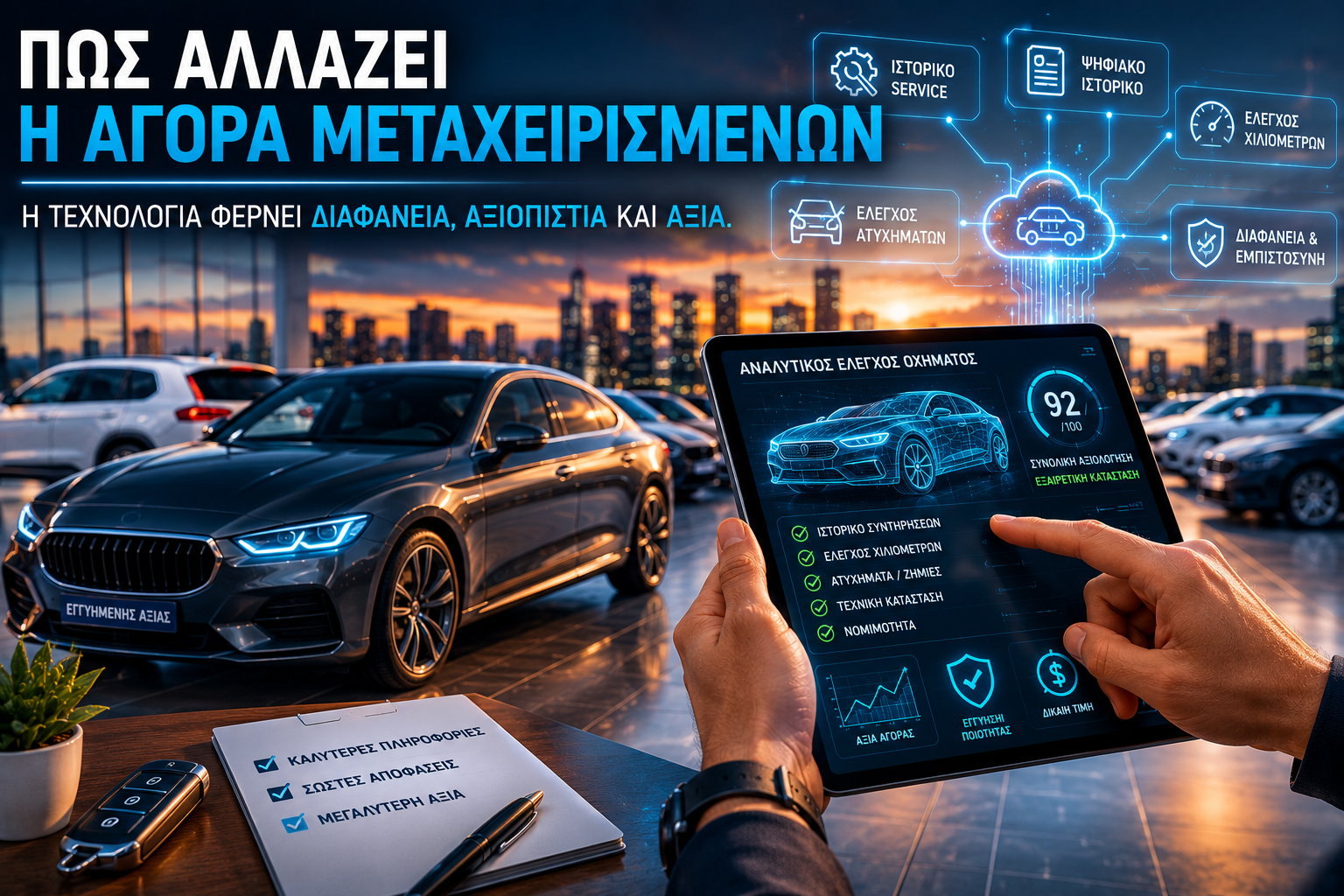
Traditionally, the value of a used vehicle depended on factors such as:
- Age
- Mileage
- Service history
- Mechanical condition
- Exterior appearance
Software-Defined Vehicles introduce a completely new factor:
Digital condition.
Future buyers will increasingly evaluate:
- Whether software is regularly updated
- Available connected services
- OTA support
- Digital maintenance records
- Battery health reports
- Cybersecurity support
- Compatibility with future software features
In other words, software support may become just as valuable as low mileage when determining a vehicle’s resale value.
A New Era for Car Rental Companies
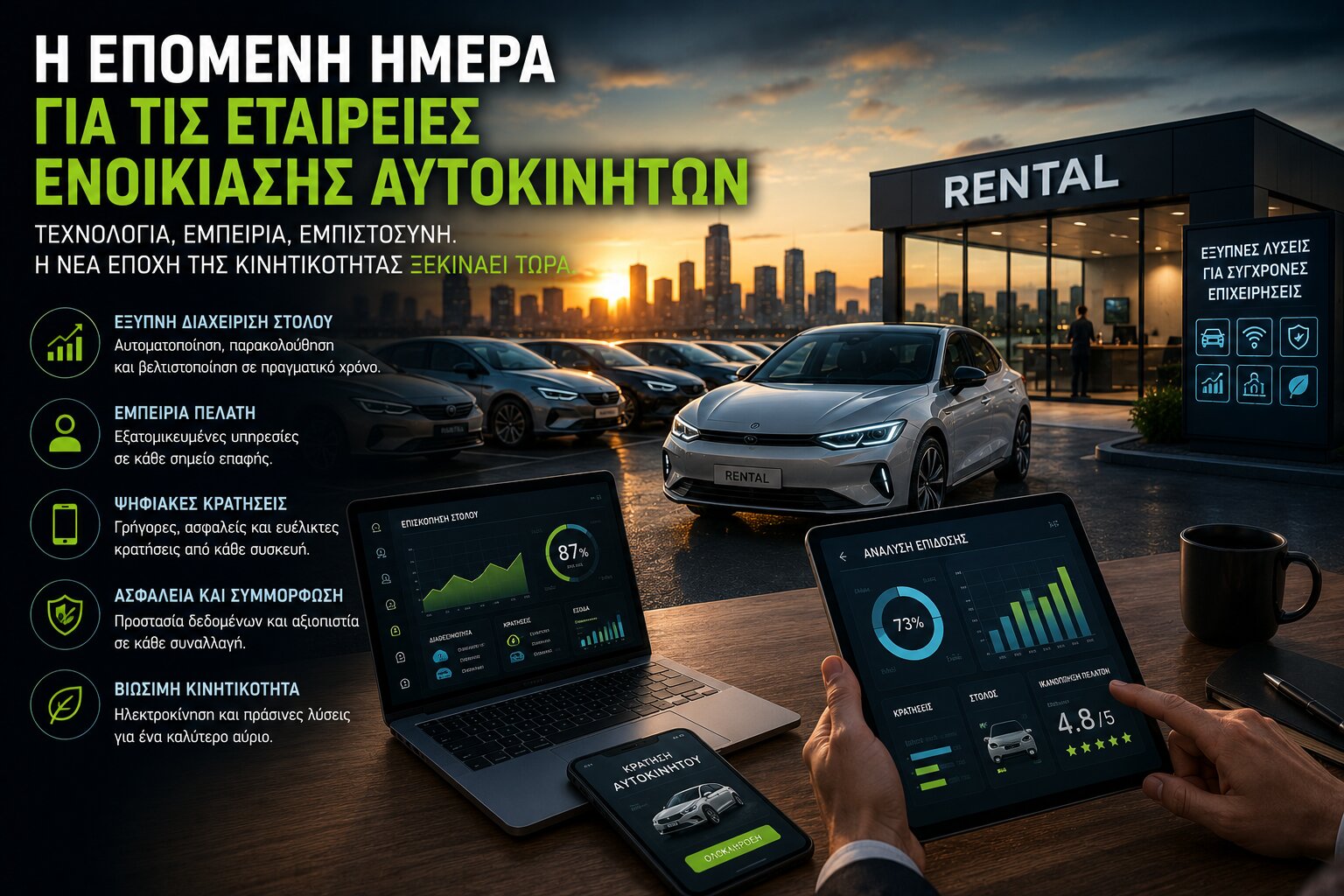
The Software-Defined Vehicle revolution also creates major opportunities for rental companies and fleet operators.
Connected fleets enable operators to:
- Monitor vehicle health remotely
- Detect maintenance needs early
- Reduce unexpected downtime
- Optimize charging schedules
- Improve fleet utilization
- Deploy software updates across entire fleets
- Enhance customer experience through connected services
Instead of managing vehicles individually, fleet operators will increasingly manage intelligent digital ecosystems.
For the rental industry, this means lower operating costs, improved reliability, and a more seamless customer experience.
The Future Has Already Begun
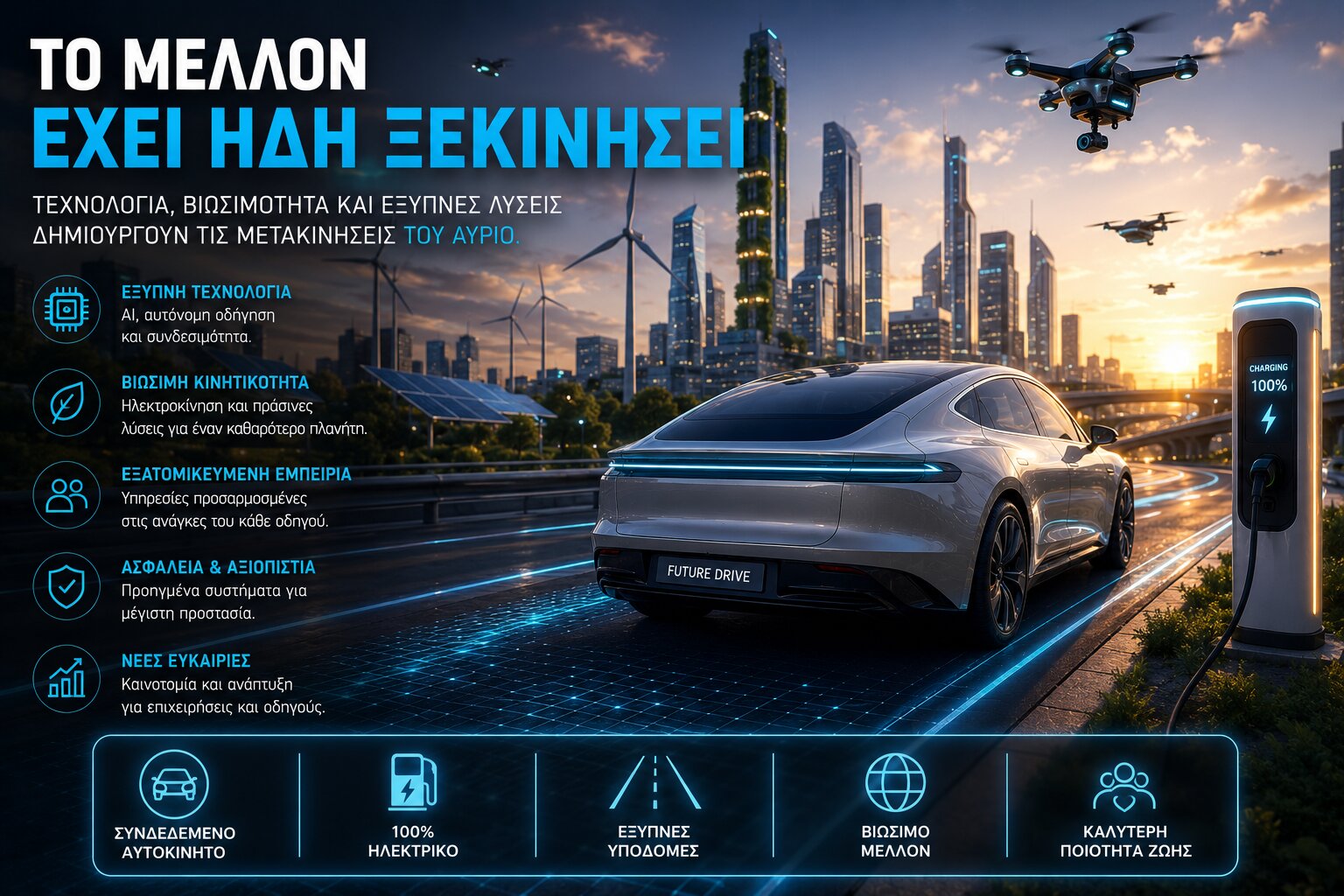
Software-Defined Vehicles are no longer a futuristic concept—they are already reshaping today’s automotive industry.
Virtually every major manufacturer is investing billions in software platforms, Artificial Intelligence, cloud infrastructure, centralized computing, and connected mobility services.
The race is no longer only about building better engines.
It is about building smarter vehicles.
For drivers, this means safer, more efficient, and more personalized transportation.
For manufacturers, it creates new business models based on digital services.
For fleet operators and rental companies, it opens the door to smarter fleet management and predictive maintenance.
And for the entire automotive industry, it marks the beginning of a new technological era.
Conclusion
The automotive world is undergoing one of the most significant transformations in its history.
Just as electrification is redefining propulsion, software is redefining what a vehicle actually is.
The cars of tomorrow will not simply be machines with engines and wheels.
They will be intelligent digital platforms capable of learning, adapting, improving, and evolving throughout their lifetime.
Horsepower, acceleration, and design will always matter.
But increasingly, the true value of a vehicle will be measured by the intelligence of its software, the quality of its digital ecosystem, and its ability to improve long after it leaves the factory.
The future of mobility has already arrived—and software is now firmly in the driver’s seat.