
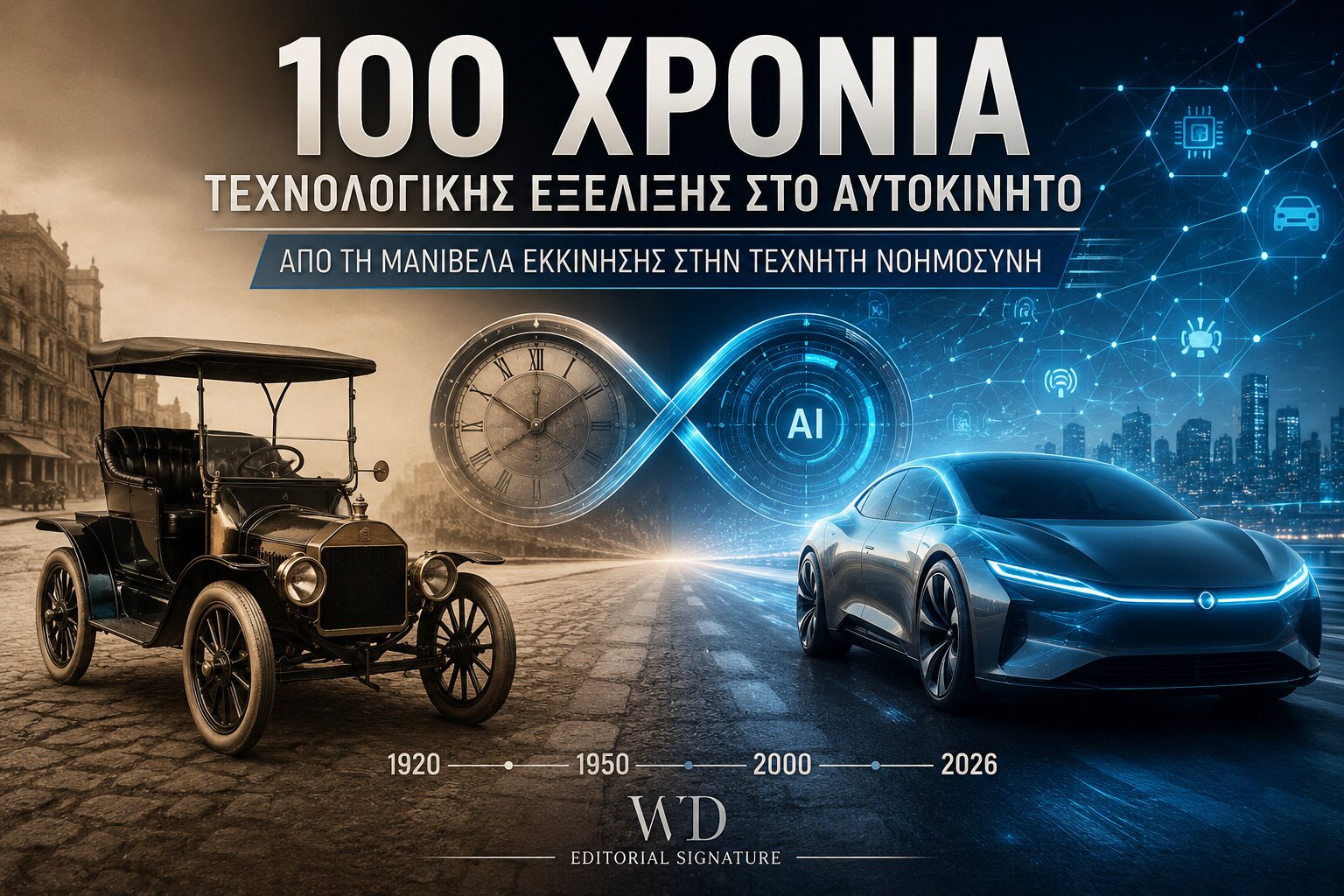
If a driver from 1926 were to sit behind the wheel of a modern automobile today, they would likely believe they had stepped into a machine straight out of a science fiction film. A large digital display replaces traditional gauges, dozens of sensors constantly monitor the vehicle’s surroundings, cameras provide a panoramic view, and the car can brake automatically, keep itself centered in its lane, and receive software updates via the internet—much like a smartphone.
Yet this extraordinary technological revolution unfolded in little more than a century.
The automobile is perhaps the greatest example of how human innovation can transform a simple mechanical machine into one of the most sophisticated technological systems ever created. From the first manually operated starting cranks to today’s software-defined vehicles powered by artificial intelligence, automotive evolution has never been solely about increasing horsepower or top speed. Instead, it has focused on improving safety, reliability, comfort, energy efficiency, and the overall driving experience.
A modern vehicle now contains hundreds of electronic control units, thousands of individual components, and millions of lines of software code. None of this happened overnight. Every decade added another chapter to one of the most fascinating technological journeys in modern history.
Let’s travel back in time and explore how the automobile evolved from a purely mechanical invention into one of the smartest machines humans use every day.
1900–1920: The First Steps of the Automobile

At the beginning of the 20th century, automobiles were far from being an everyday means of transportation. They were expensive technological achievements reserved primarily for wealthy buyers, engineers, and enthusiasts fascinated by mechanical innovation.
Starting an engine required the use of a hand crank. Drivers had to manually rotate the engine until it finally came to life. The process was not only exhausting but also dangerous, as the crank could suddenly kick back with enough force to cause serious injuries.
Braking systems were entirely mechanical, relying on rods and cables rather than hydraulics. Suspension systems were extremely basic, while driving demanded considerable physical strength and technical skill.
Roads were mostly unpaved, road signs were practically nonexistent, public lighting was rare, and traffic regulations—as we know them today—had yet to be established.
Despite these limitations, this pioneering era laid the foundations of the global automotive industry.
The Revolution of Mass Production
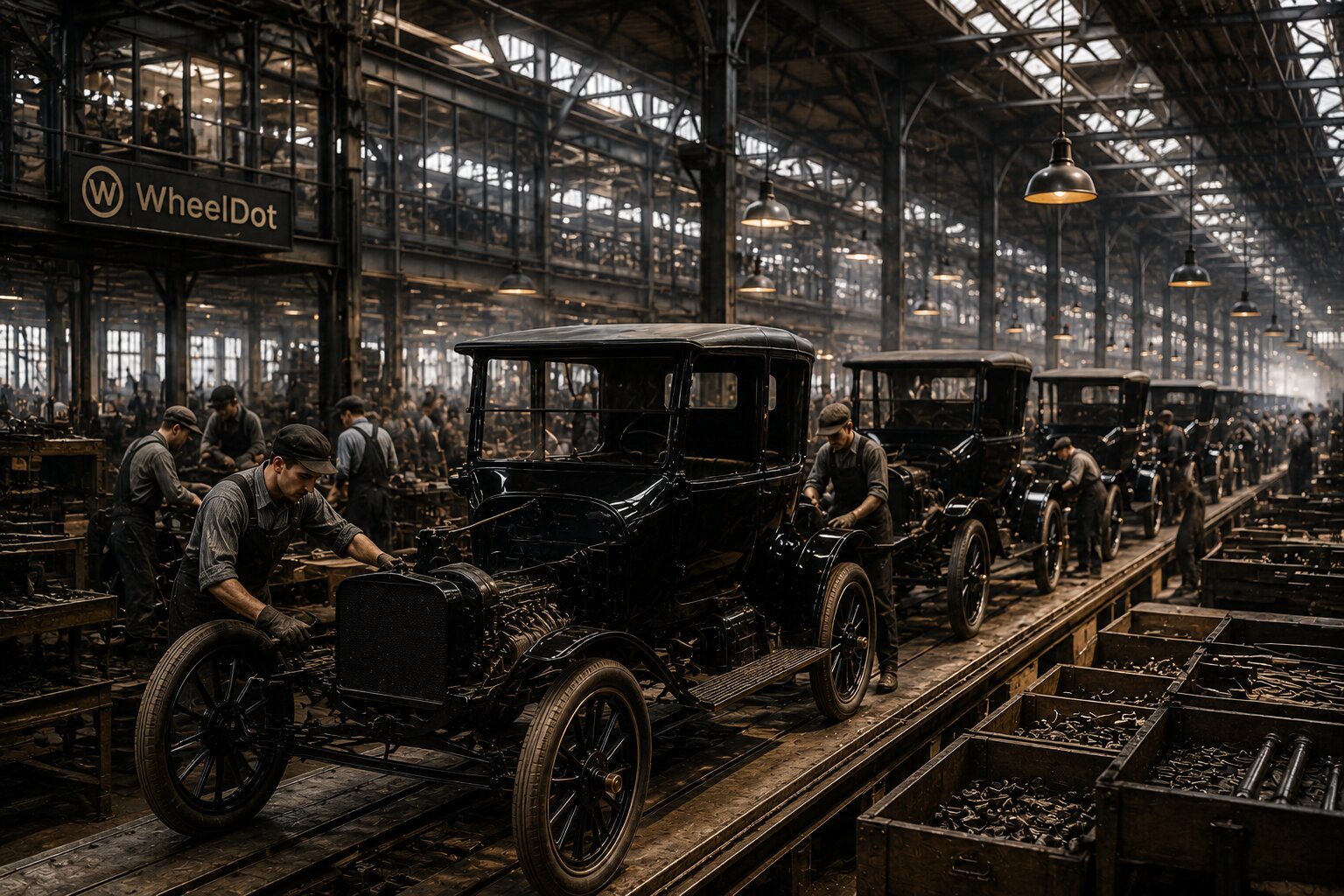
In 1908, the Ford Model T was introduced, permanently changing the history of transportation.
Its greatest innovation was not only the vehicle itself but also the introduction of the moving assembly line a few years later. This manufacturing process dramatically reduced production time and significantly lowered manufacturing costs.
For the first time in history, owning a car became a realistic possibility for middle-class families rather than a privilege reserved for the wealthy.
The assembly line is widely regarded as one of the most influential industrial and technological breakthroughs of the first half of the twentieth century.
The First Electrical Automotive Systems
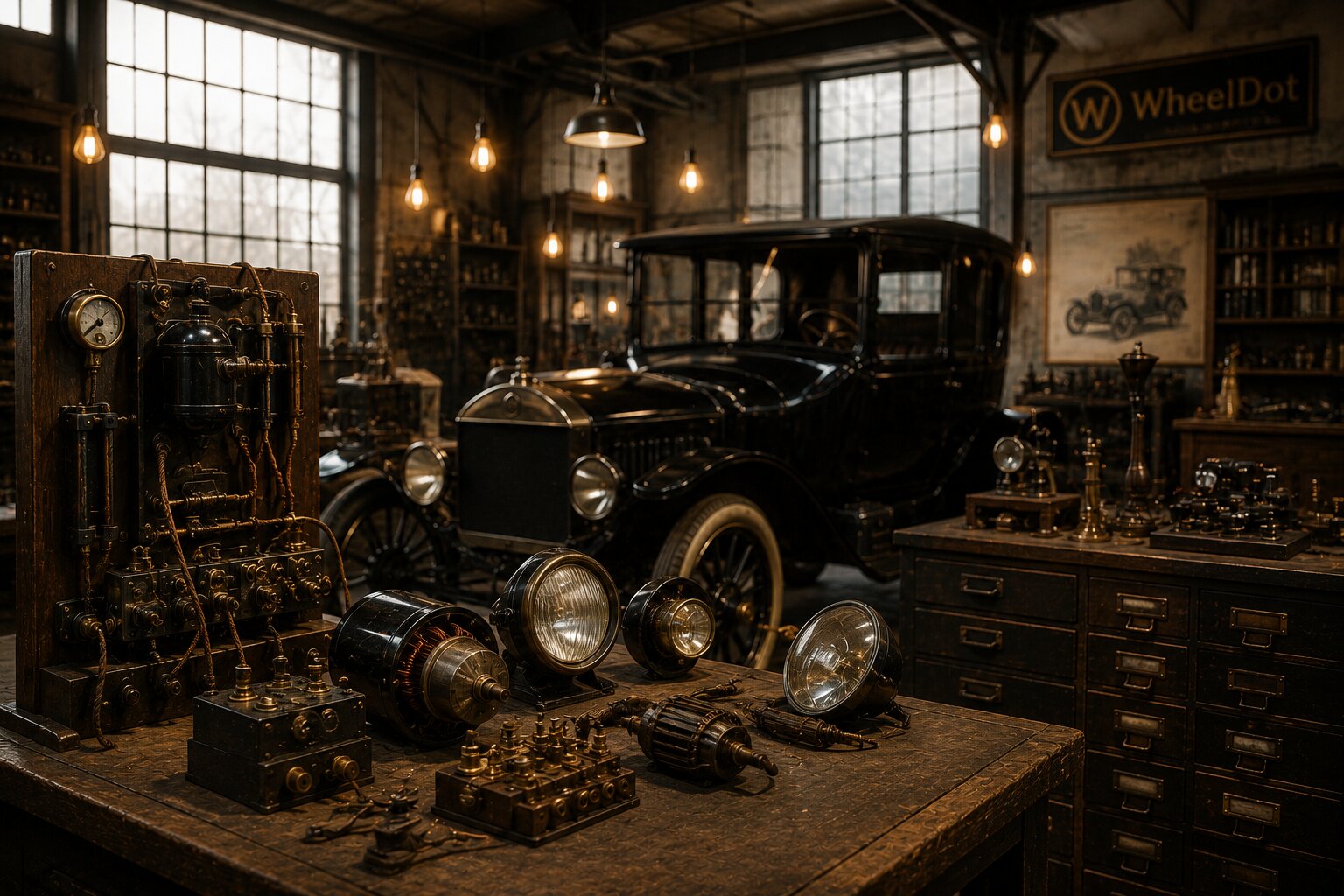
Today, it is impossible to imagine a vehicle without an electrical system. However, during the early years of motoring, many components still operated entirely by mechanical means.
The introduction of electric lighting, electrical instruments, and—most importantly—the electric starter motor transformed everyday driving.
As electric starters became widespread during the 1910s, they effectively eliminated the dangerous hand crank, making engine starts both safer and significantly more convenient.
This seemingly simple innovation fundamentally changed how people interacted with their automobiles.
1920–1940: Automobiles Become More Reliable
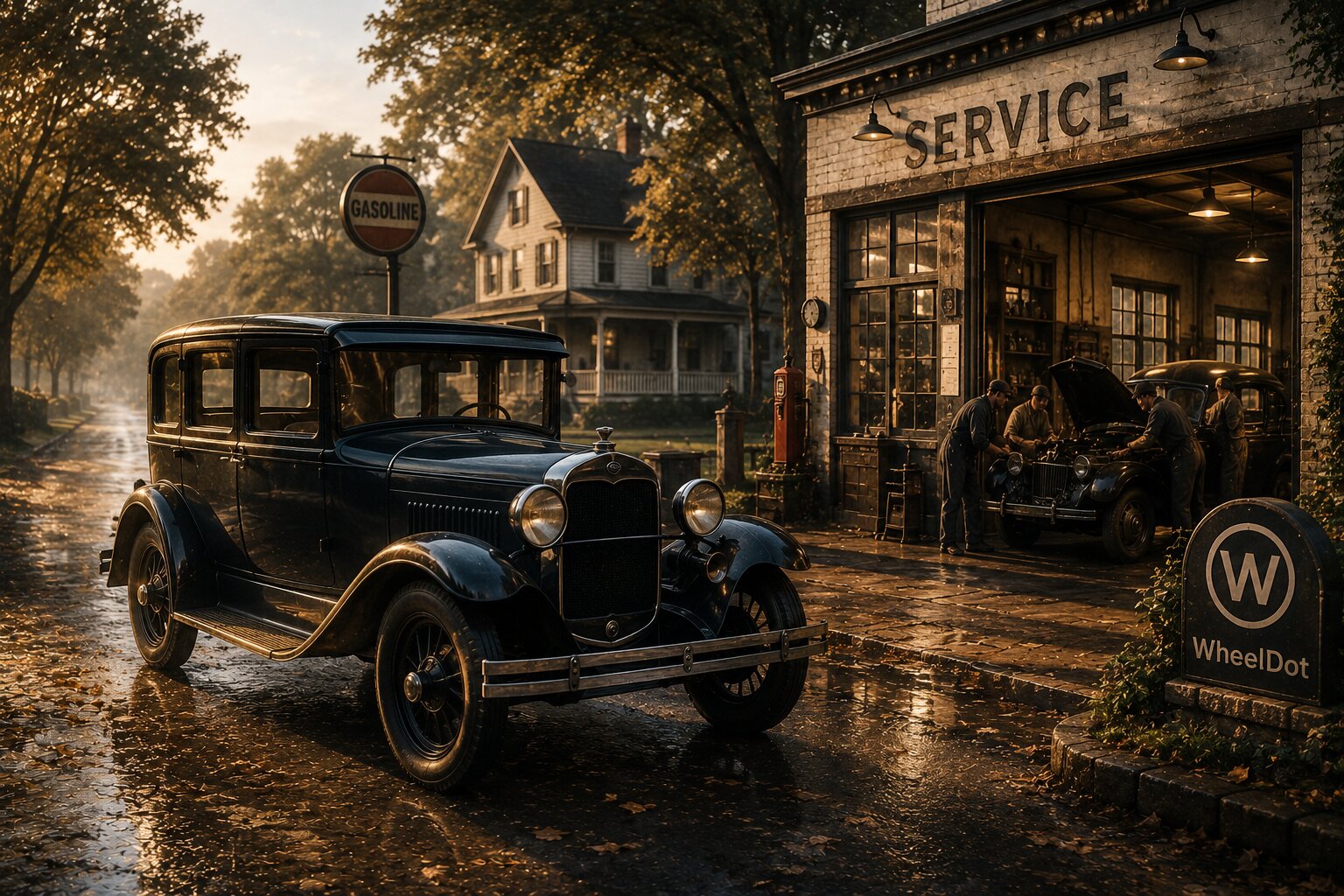
During the following two decades, the automotive industry matured rapidly.
Engines became more dependable, transmissions grew increasingly efficient, and manufacturing quality improved substantially.
At the same time, engineers began paying closer attention to aerodynamics, recognizing that vehicle shape could influence both performance and fuel efficiency.
Manufacturers gradually realized that a successful automobile needed to be more than just powerful—it also had to be practical, reliable, and economical.
Comfort Begins to Matter

Until then, drivers had largely accepted noise, vibration, and harsh ride quality as unavoidable characteristics of motoring.
By the 1930s, however, manufacturers started introducing improved suspension systems, more comfortable seats, and ergonomically designed cabins.
The automobile slowly evolved from being a purely mechanical machine into a means of transportation designed with passenger comfort in mind.
This marked the beginning of a philosophy that continues to shape vehicle design today.
The First Steps Toward Automotive Safety
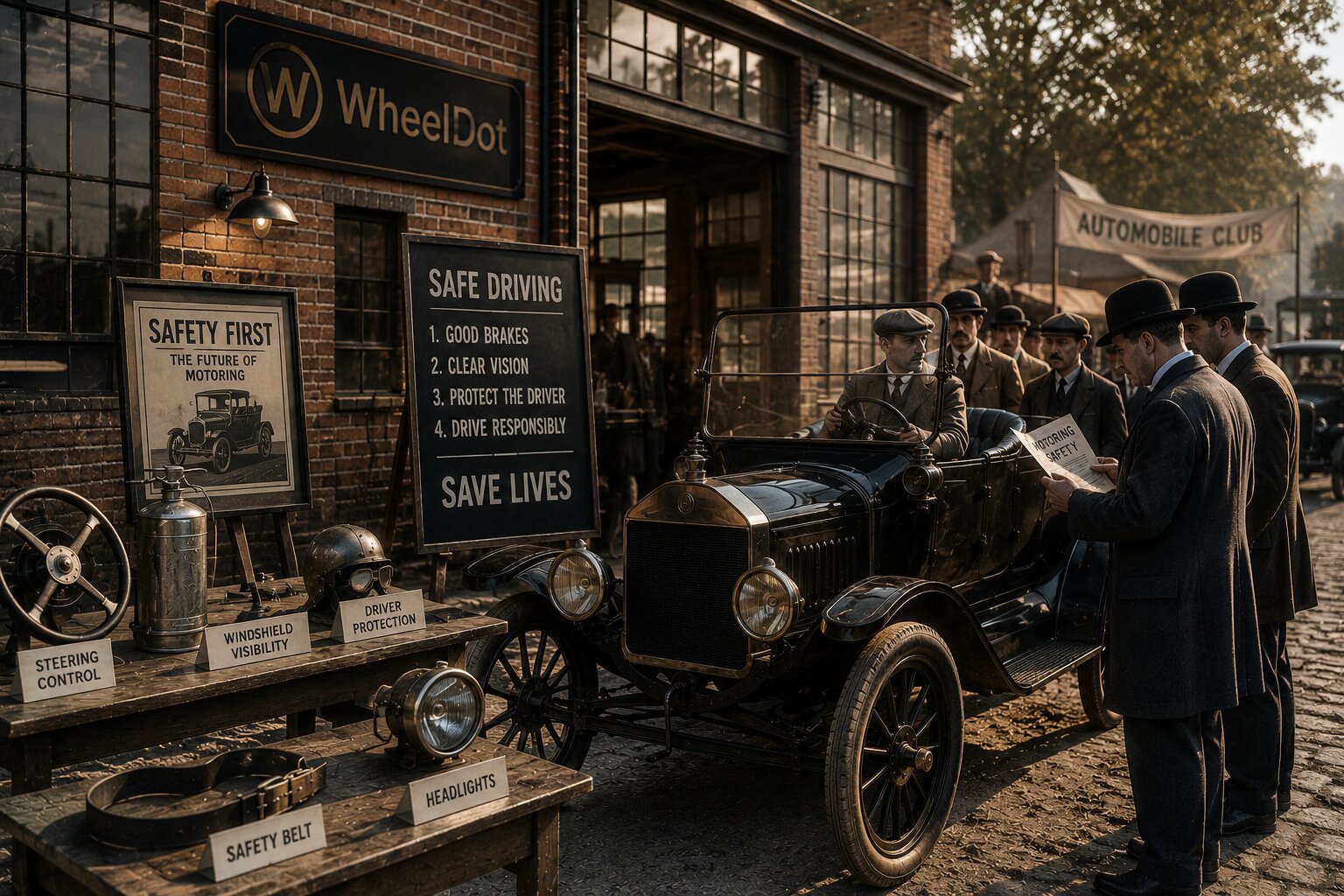
Although safety was not yet considered a primary design priority, engineers had begun exploring ways to better protect vehicle occupants.
Stronger chassis, improved braking systems, and better visibility gradually became part of automotive development.
The truly revolutionary breakthroughs, however, were still a few decades away.
1940–1960: Safety Takes Center Stage
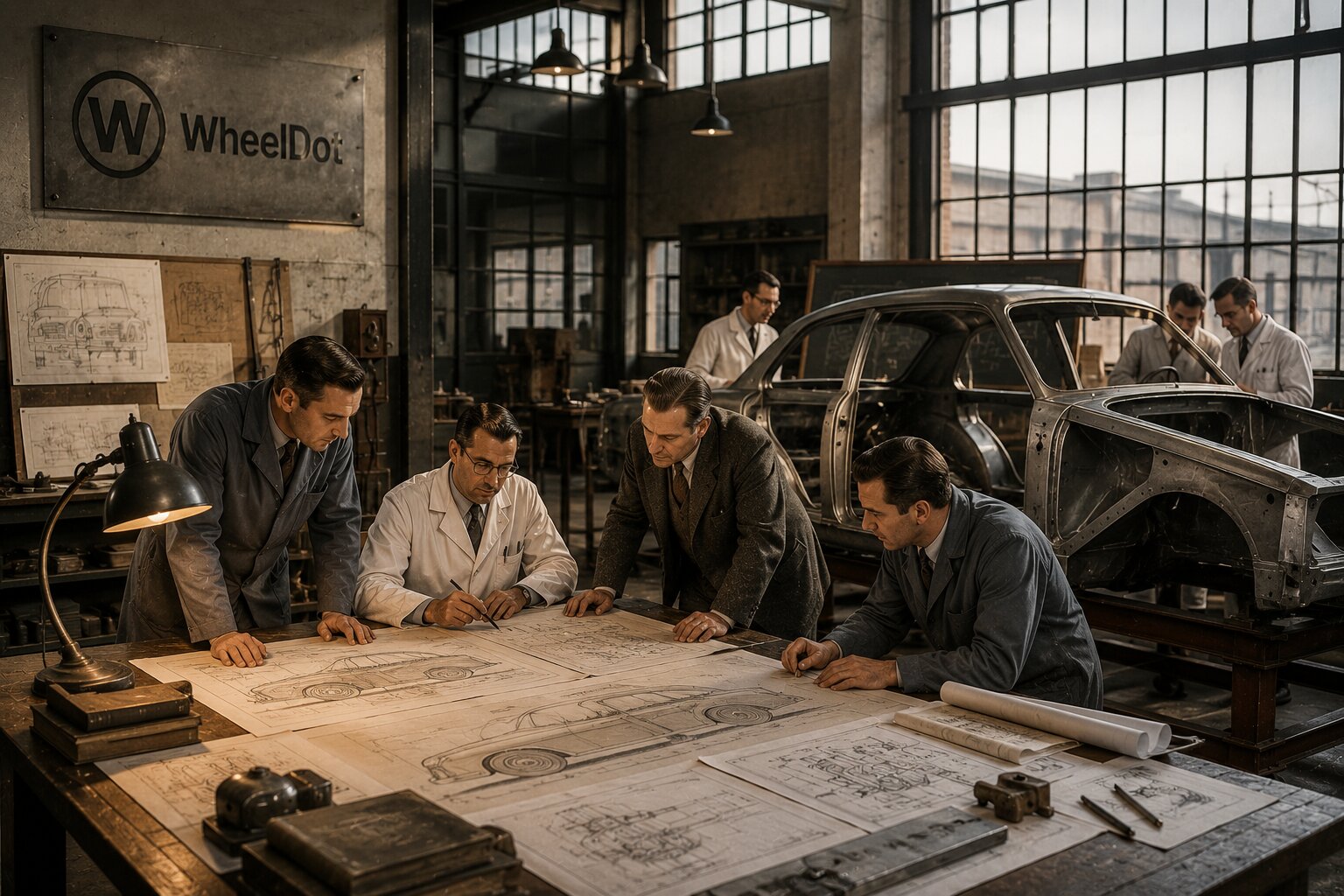
Following World War II, technological progress accelerated dramatically.
The automotive industry benefited from advances in manufacturing techniques, stronger materials, and engineering knowledge originally developed for the aerospace sector.
Cars became more powerful, faster, and significantly safer than ever before.
Laminated Safety Glass
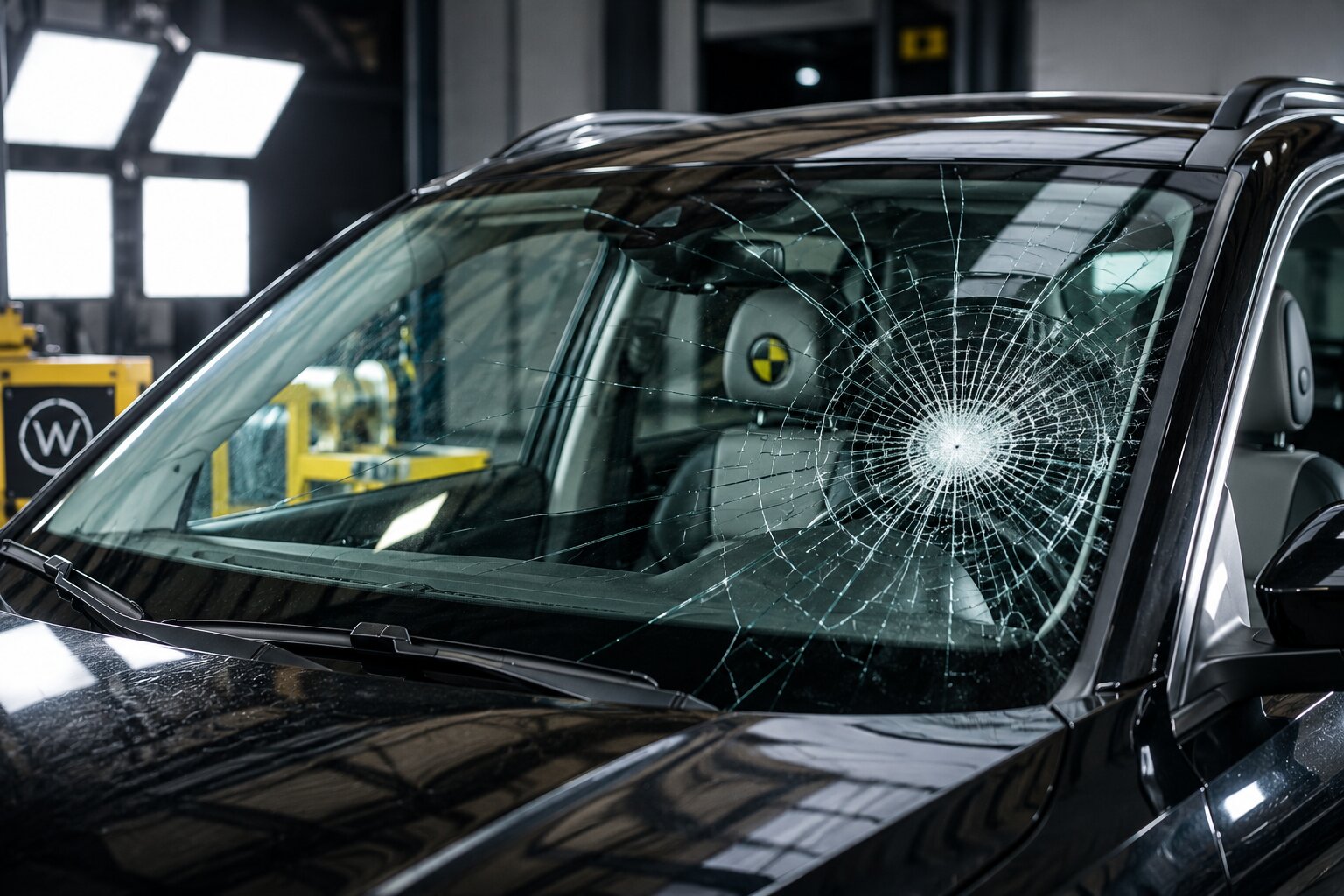
One of the most important innovations of this era was the widespread adoption of laminated safety glass.
Instead of shattering into dangerous sharp fragments during a collision, laminated windshields remained largely intact, dramatically reducing the risk of severe injuries.
Today this technology is taken for granted, but at the time it represented a major milestone in passenger protection.
The Birth of Modern Automotive Safety
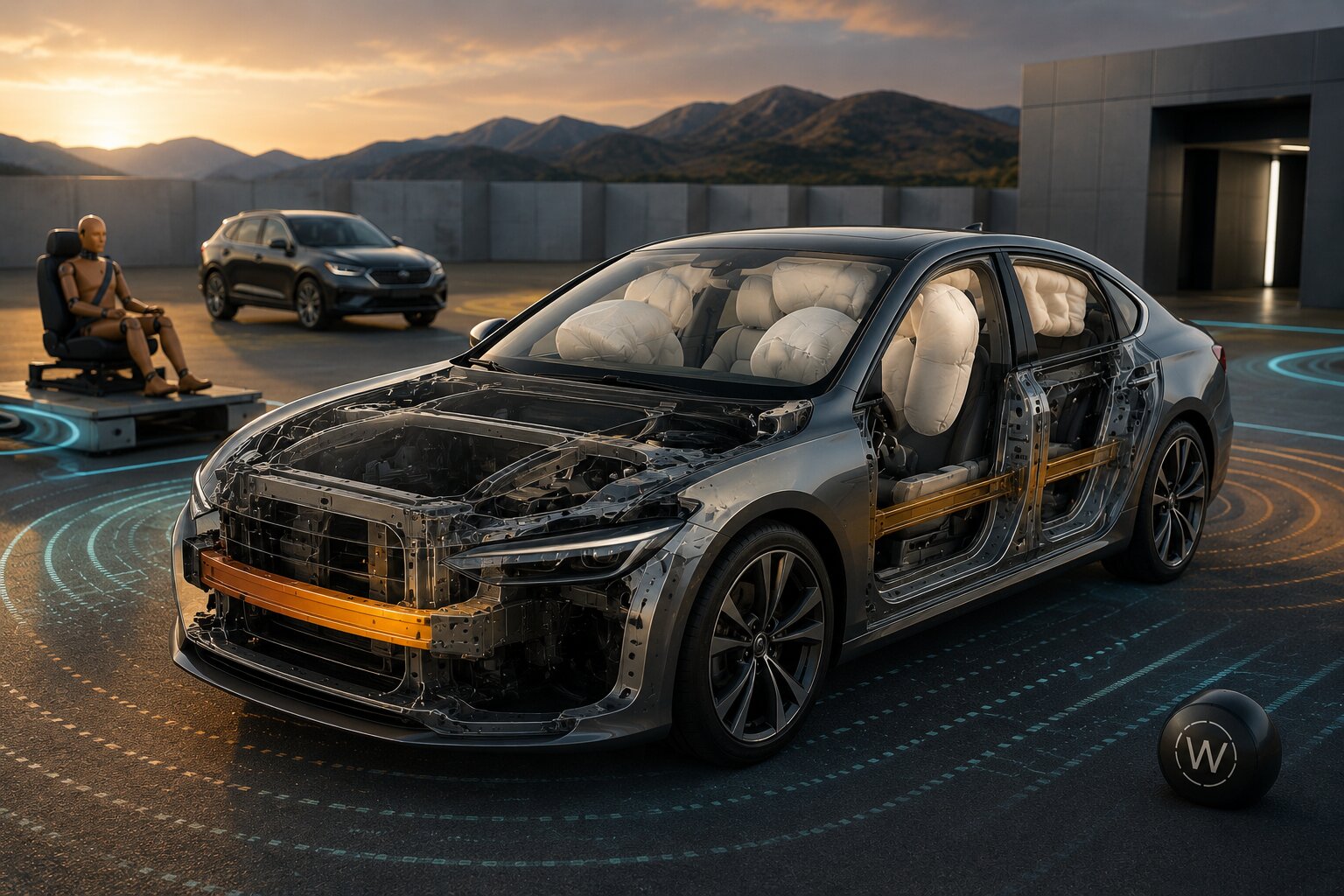
Engineers gradually realized that preventing accidents was only part of the equation.
Equally important was protecting occupants when accidents inevitably occurred.
This shift in philosophy transformed automotive engineering forever and paved the way for many of the life-saving innovations that would soon follow.
1960–1980: The Greatest Revolution in Road Safety
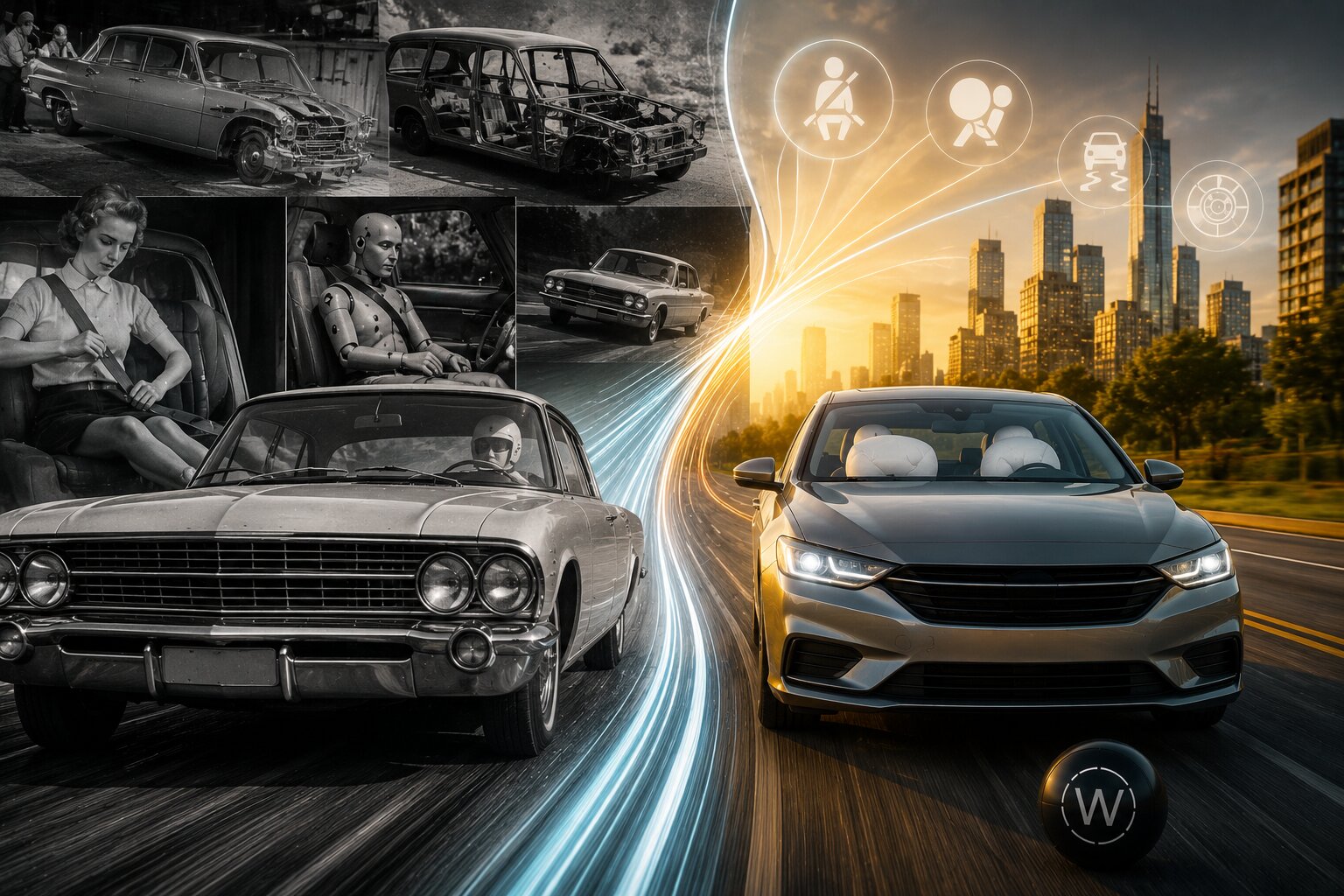
If one period could be described as the most influential in improving road safety, it would undoubtedly be the 1960s and the two decades that followed.
Many of the technologies introduced during this era continue to save millions of lives every year.
The Three-Point Seat Belt
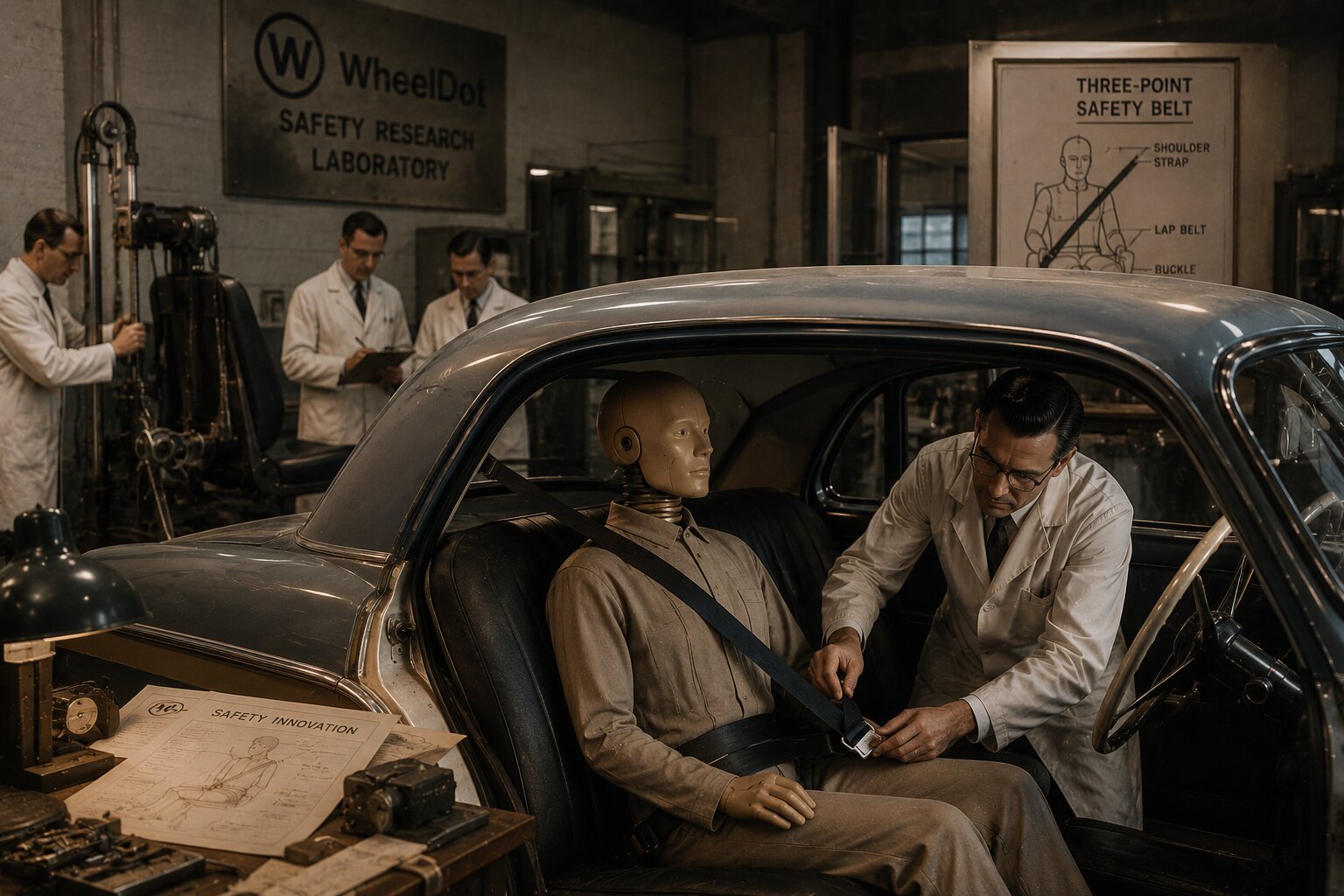
The introduction of the three-point seat belt remains one of the most significant inventions in automotive history.
Its principle was remarkably simple yet incredibly effective: distribute crash forces across the strongest parts of the human body, dramatically reducing the risk of fatal injuries during a collision.
Even today, the three-point seat belt remains the single most important passive safety feature in every passenger vehicle.
The First Crash Tests
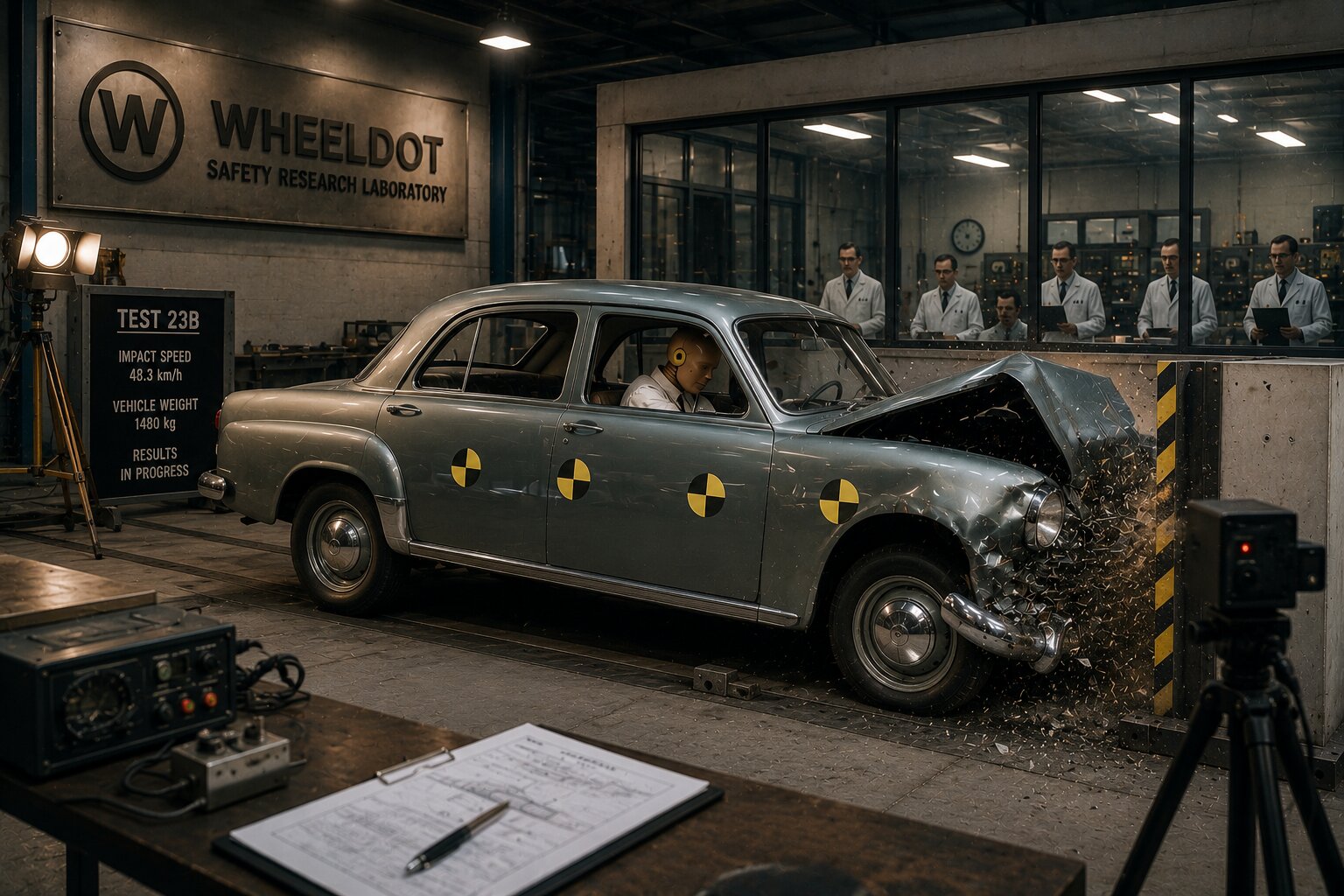
During the same period, manufacturers began performing systematic crash testing.
For the first time, vehicle development relied on scientific collision data rather than solely on engineering intuition and experience.
This led to the creation of crumple zones, reinforced passenger compartments, and entirely new safety standards that continue to define modern vehicle engineering.
Disc Brakes and ABS
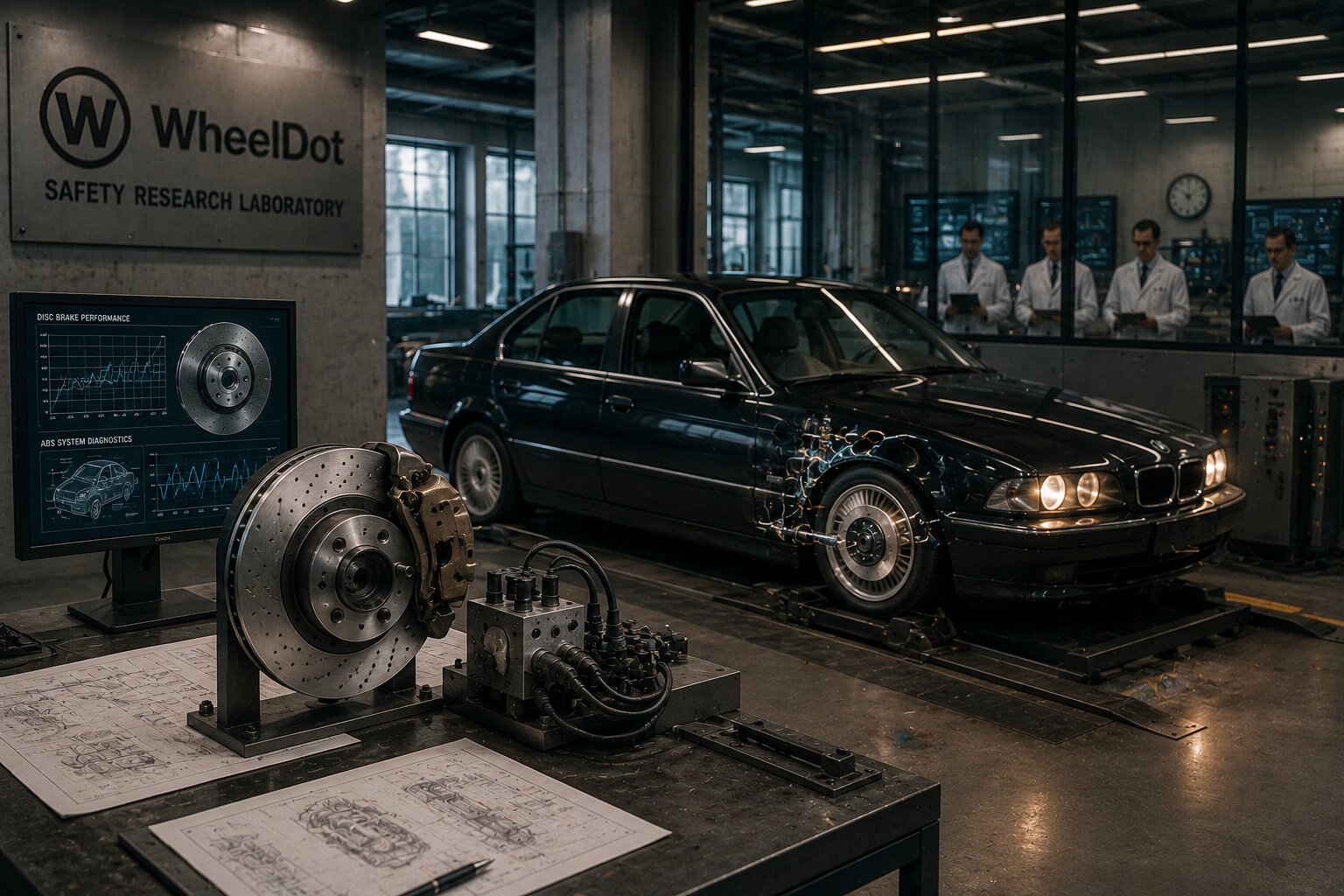
As vehicle performance improved, braking technology also had to evolve.
Disc brakes provided significantly greater stopping performance than traditional drum brakes.
Toward the end of this period, the first Anti-lock Braking Systems (ABS) also began appearing in production vehicles.
The ability to maintain steering control during emergency braking represented another historic milestone in automotive safety.
By the late 1970s, the automobile had already undergone a remarkable transformation. What had once been a relatively simple mechanical machine had become a safer, more reliable, and far more comfortable means of transportation. Yet the greatest technological revolution was still to come. The arrival of electronic computers, sensors, and software would forever change not only how automobiles functioned, but also how humans interacted with them.
1980–2000: The Digital Revolution Enters the Automobile
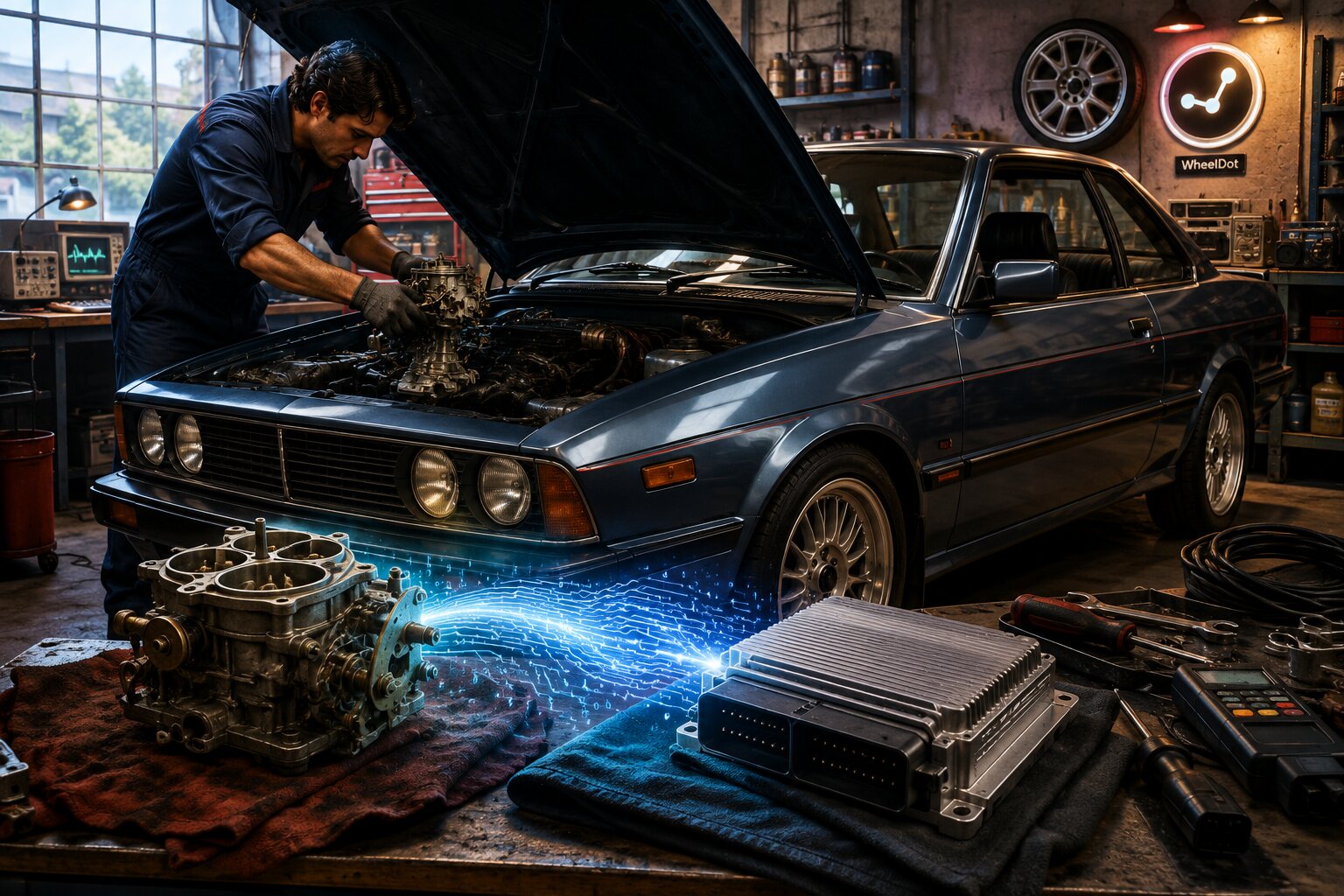
By the late 1970s, most people believed that automotive progress would continue to revolve around larger engines, improved suspension systems, and more powerful brakes. Few could have imagined that the industry’s greatest revolution would come not from mechanical engineering, but from electronics.
The 1980s marked the beginning of an entirely new era. For the first time, computers began performing tasks that had previously been handled exclusively by mechanical systems. The automobile gradually evolved into an intelligent machine capable of monitoring its own operation, making real-time decisions, and protecting its occupants in ways that once seemed unimaginable.
This transformation did not happen overnight. It marked the beginning of a digital revolution that continues to shape the automotive industry today.
The ECU: The First “Brain” of the Automobile
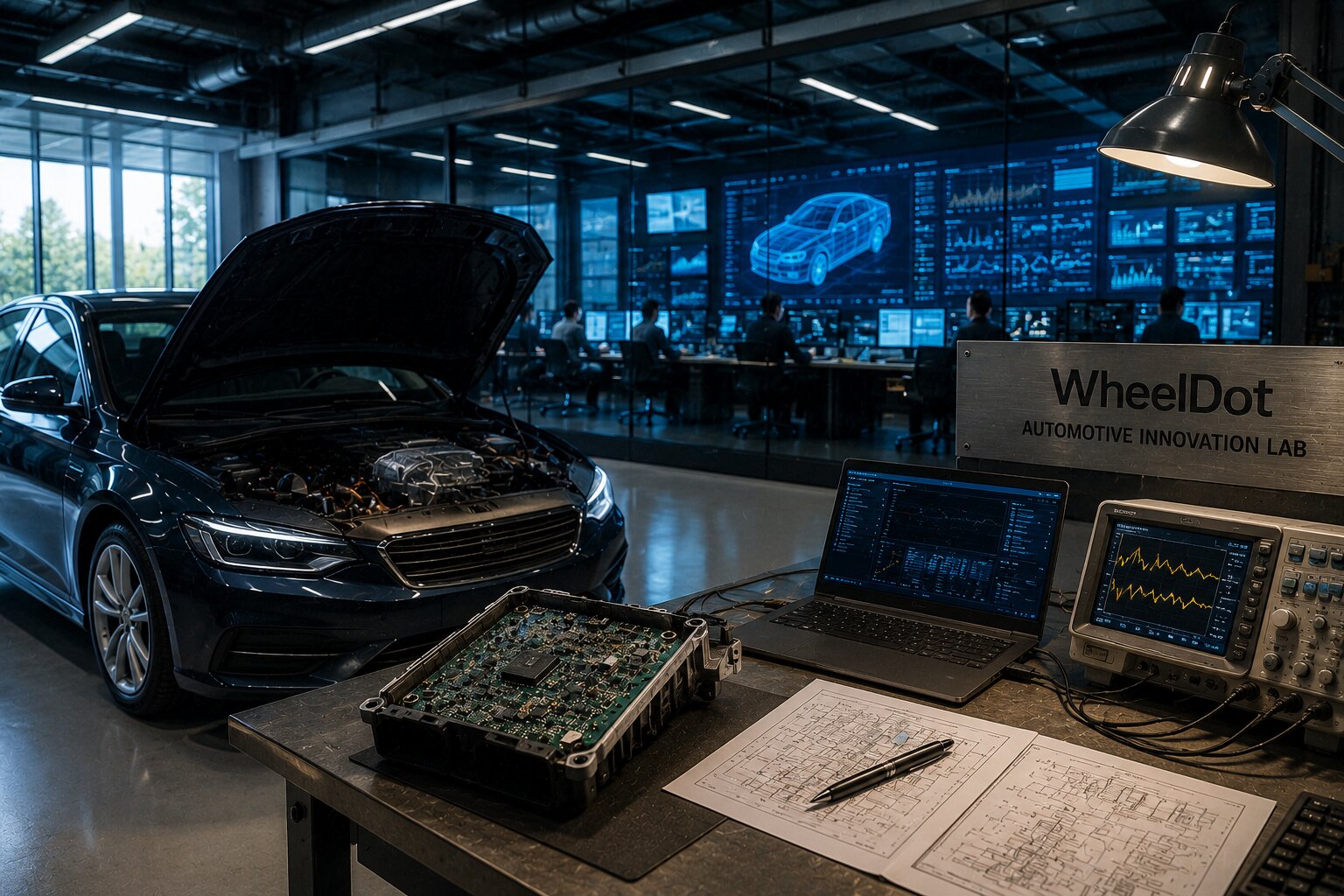
One of the most significant technological breakthroughs of the era was the widespread adoption of the Electronic Control Unit (ECU).
Until then, engines relied almost entirely on mechanical components. Fuel delivery, ignition timing, and numerous other engine functions were controlled by mechanical systems that required frequent maintenance and struggled to adapt to changing operating conditions.
The ECU changed everything.
Using data collected continuously by sensors—including engine temperature, throttle position, air pressure, and engine speed—the electronic control unit could calculate precisely how much fuel should be injected and exactly when ignition should occur.
The benefits were immediate:
- Increased engine performance
- Lower fuel consumption
- Reduced emissions
- Improved reliability
- Smoother engine operation
Today, a modern vehicle may contain well over one hundred electronic control units, but the foundations of this technological evolution were laid during this period.
Electronic Fuel Injection Replaces the Carburetor
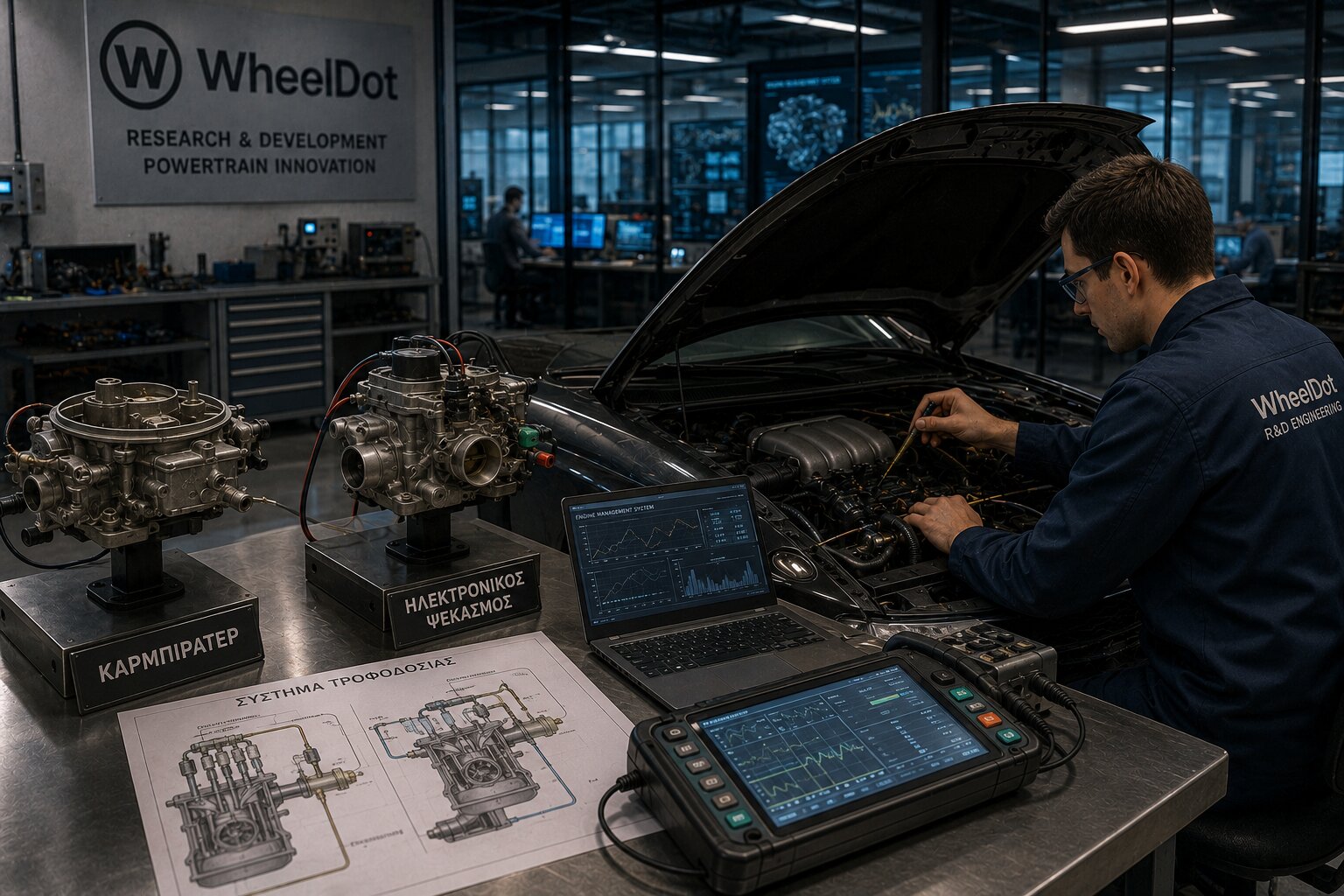
For decades, virtually every passenger car relied on a carburetor.
Although relatively simple, carburetors had significant limitations. They struggled to adapt efficiently to changes in temperature, altitude, and driving conditions.
Electronic fuel injection completely transformed engine management.
Working together with the ECU and multiple sensors, the system calculated the precise amount of fuel required under virtually every driving condition.
The advantages were substantial:
- Improved engine performance
- Easier cold starts
- Lower fuel consumption
- Reduced exhaust emissions
- Significantly lower maintenance requirements
This transition became one of the defining milestones in the evolution of the modern internal combustion engine.
ABS Becomes Standard Equipment
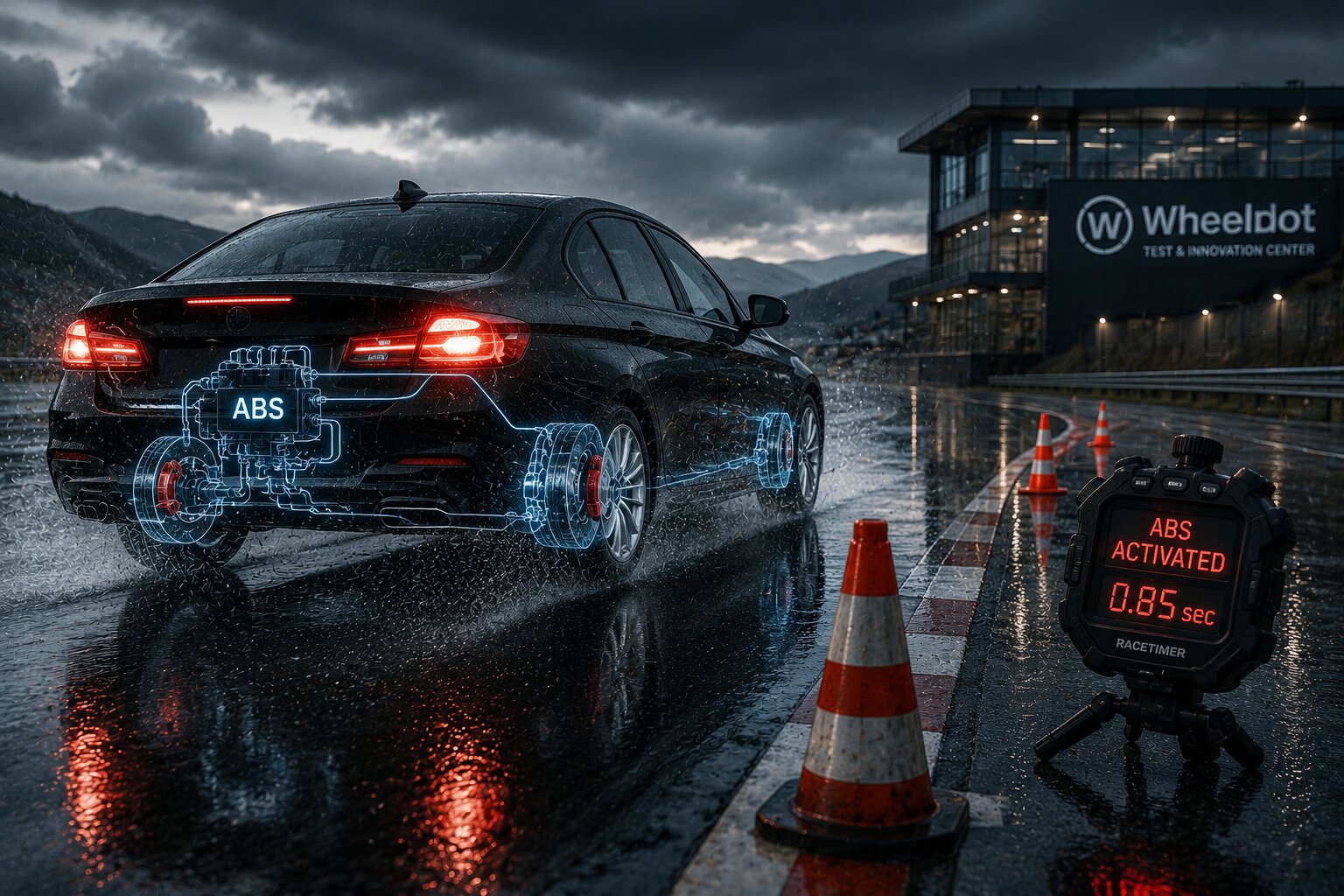
Although the first Anti-lock Braking Systems (ABS) appeared during the late 1970s, it was throughout the 1980s that the technology became increasingly common in production vehicles.
ABS prevents the wheels from locking during hard braking, allowing them to continue rotating and maintaining traction with the road surface.
As a result, drivers retain steering control even during emergency braking situations.
This innovation became the technological foundation upon which nearly every modern electronic safety system would later be built.
Airbags Transform Passive Safety
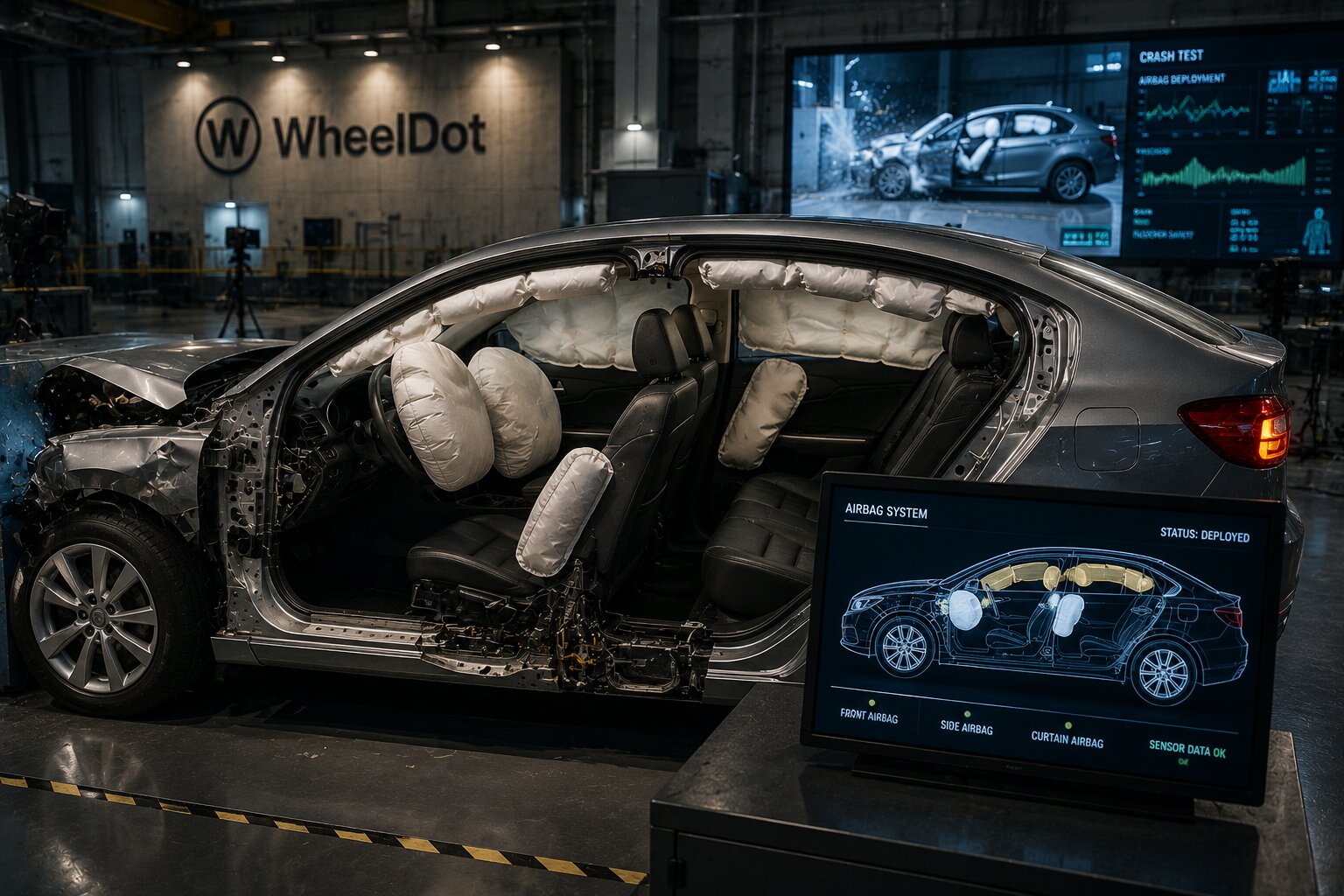
The 1990s witnessed the rapid expansion of airbag technology.
Initially, airbags were installed only for the driver.
Soon afterward, manufacturers introduced:
- Front passenger airbags
- Side airbags
- Curtain airbags
- Knee airbags
Their operation depends on sophisticated sensors capable of detecting a collision within milliseconds.
An airbag deploys at speeds exceeding 250 km/h, creating a protective cushion before the occupant’s body has time to move significantly forward.
Combined with the three-point seat belt, airbags represent one of the greatest achievements in the history of automotive safety.
ESP: The Invisible Guardian
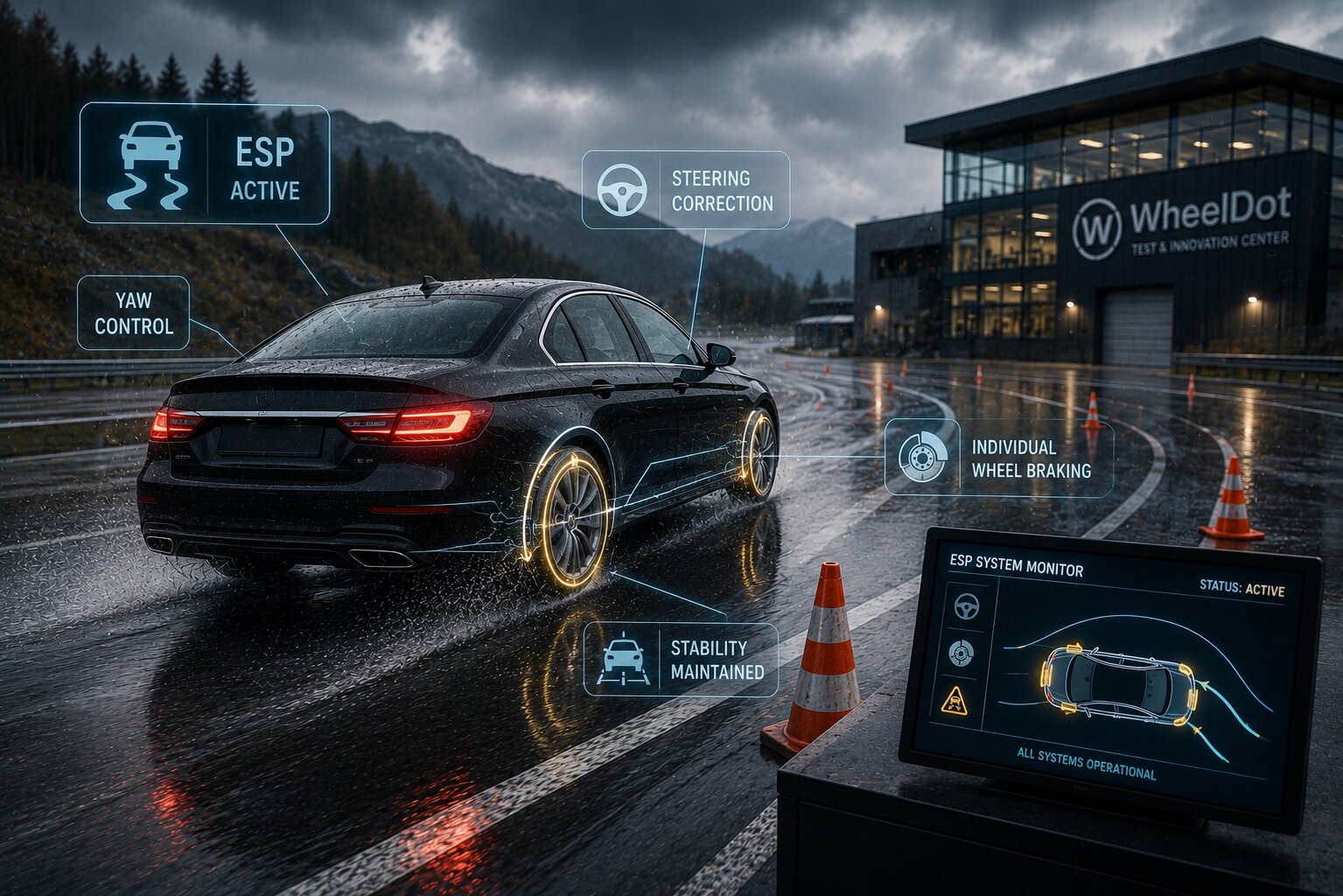
If there is one technology that has silently saved hundreds of thousands of lives without most drivers ever noticing its intervention, it is the Electronic Stability Program (ESP).
The system continuously monitors:
- Steering wheel angle
- Individual wheel speed
- Vehicle acceleration
- Vehicle yaw and rotation
Whenever it detects that the vehicle is beginning to lose stability, ESP reacts within fractions of a second by selectively applying the brakes to individual wheels and, when necessary, reducing engine power.
Most of these corrections occur so smoothly that drivers often remain completely unaware that the system has just prevented a potentially serious loss of control.
The Cabin Goes Digital
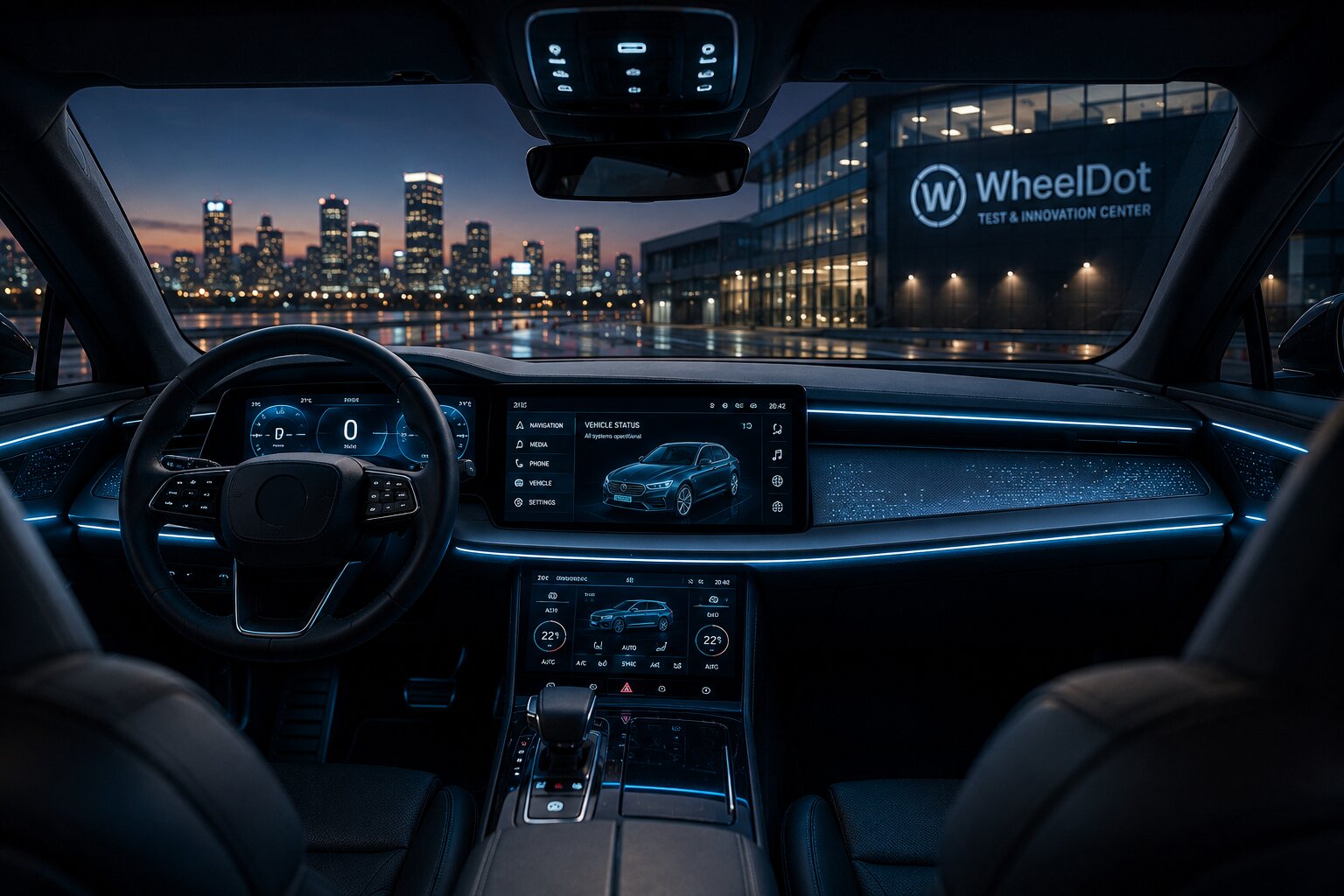
Until the mid-1980s, vehicle interiors had changed very little compared to previous decades.
Analog gauges, mechanical switches, and minimal electronic functionality remained the norm.
Gradually, however, manufacturers introduced:
- Digital displays
- Trip computers
- Power windows
- Electrically adjustable mirrors
- Automatic climate control
- Multifunction steering wheel controls
Drivers suddenly gained access to real-time information about fuel consumption, driving range, engine temperature, average speed, and dozens of other vehicle parameters.
The automobile became more interactive than ever before.
2000–2015: The Automobile Connects to the World
.jpg)
The arrival of the 21st century brought yet another major transformation.
If the objective during the 1980s was to make the automobile intelligent, the new millennium focused on making it connected.
GPS navigation evolved from a professional tool into a standard feature found in family vehicles.
Route planning became dramatically easier, allowing drivers to travel with greater confidence and precision.
Only a few years later, additional technologies rapidly became commonplace:
- Bluetooth connectivity
- Smartphone integration
- USB ports
- Multimedia entertainment systems
- Large color touchscreen displays
- Voice commands
- Rear-view cameras
The automobile gradually became an extension of our digital lives.
Driving was no longer defined solely by what happened beneath the hood. Connectivity, entertainment, navigation, and instant access to information became integral parts of the driving experience. Vehicles began communicating with their drivers in ways that would have seemed impossible only a decade earlier, laying the groundwork for the next great technological revolution: advanced driver assistance systems, electrification, and artificial intelligence.
2015–2026: The Automobile Becomes a Computer on Wheels
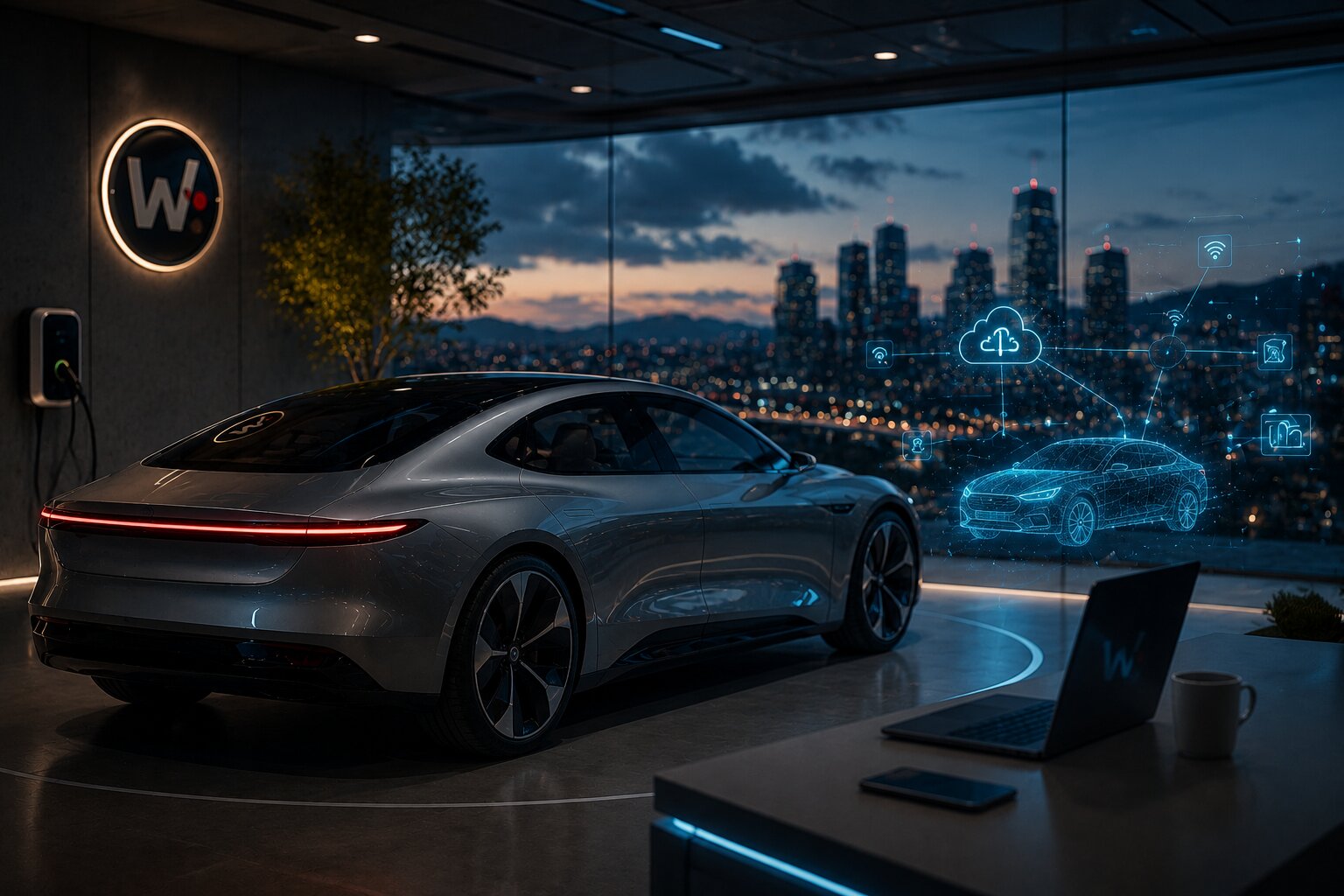
If the 1980s marked the arrival of electronics and the period from 2000 to 2015 brought connectivity, the last decade has fundamentally changed the very philosophy behind automobile manufacturing.
Today, a modern vehicle is no longer defined only by its engine, transmission, and suspension. It is a complete digital ecosystem in which software, sensors, cameras, computers, and artificial intelligence work together continuously to make driving safer, more efficient, and more comfortable.
The biggest shift is that the value of a car is no longer determined only by its mechanical characteristics, but also by its digital capabilities.
ADAS: When the Car Becomes a Co-Driver
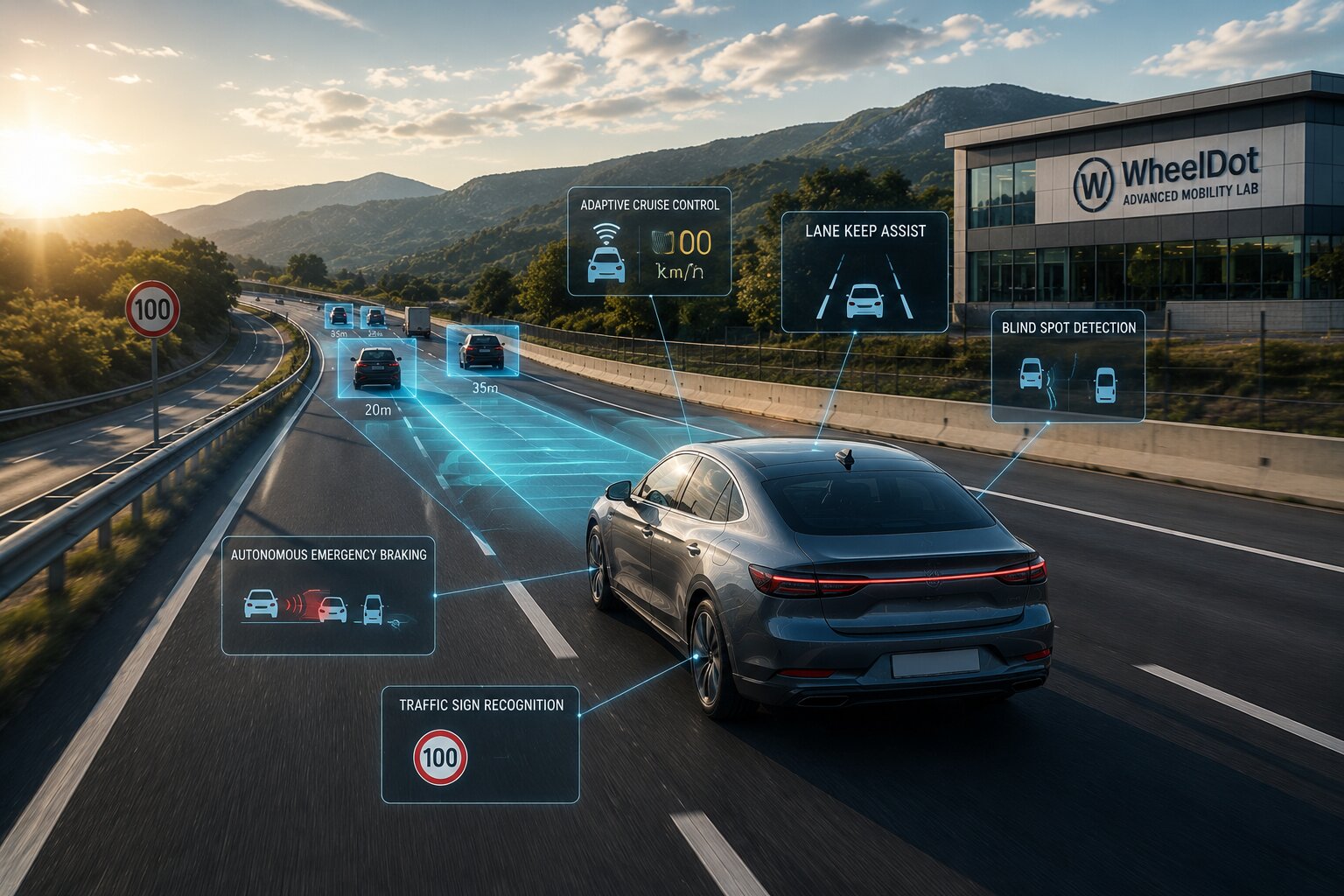
One of the most important technological leaps of recent years is the rise of Advanced Driver Assistance Systems (ADAS).
These systems constantly monitor the vehicle’s surroundings through cameras, radar, ultrasonic sensors, and, in some models, LiDAR sensors.
The data is processed in real time, allowing the car to actively support the driver.
Today, many vehicles include features such as:
- Automatic Emergency Braking (AEB)
- Lane Keeping Assist
- Collision Warning
- Traffic Sign Recognition
- Adaptive Cruise Control
- Blind Spot Monitoring
- Traffic Jam Assist
- Automatic Parking
In many cases, these systems can prevent an accident long before the driver becomes aware of the danger.
The Electrification Revolution
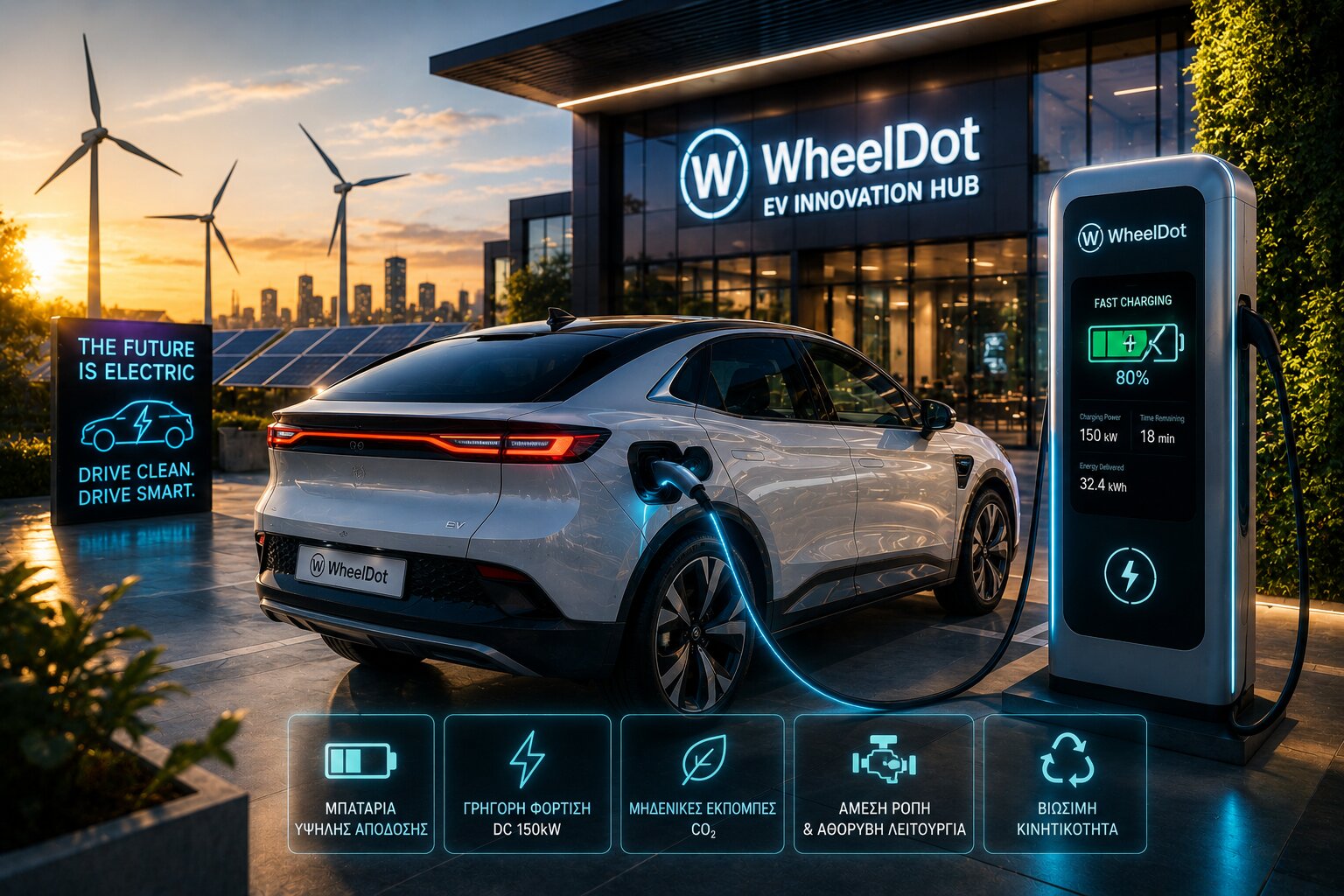
Although electric cars are not a new idea, their real growth has taken place over the last fifteen years.
Major advances in batteries, power electronics, and charging systems have enabled the production of vehicles with longer range, greater reliability, and stronger performance.
At the same time, hybrid models proved that combining an internal combustion engine with an electric motor can significantly reduce fuel consumption and emissions without radically changing the driver’s habits.
Electrification is not simply a change of engine. It affects vehicle design, energy management, aerodynamics, and even the architecture of the chassis itself.
The Car That Updates Itself
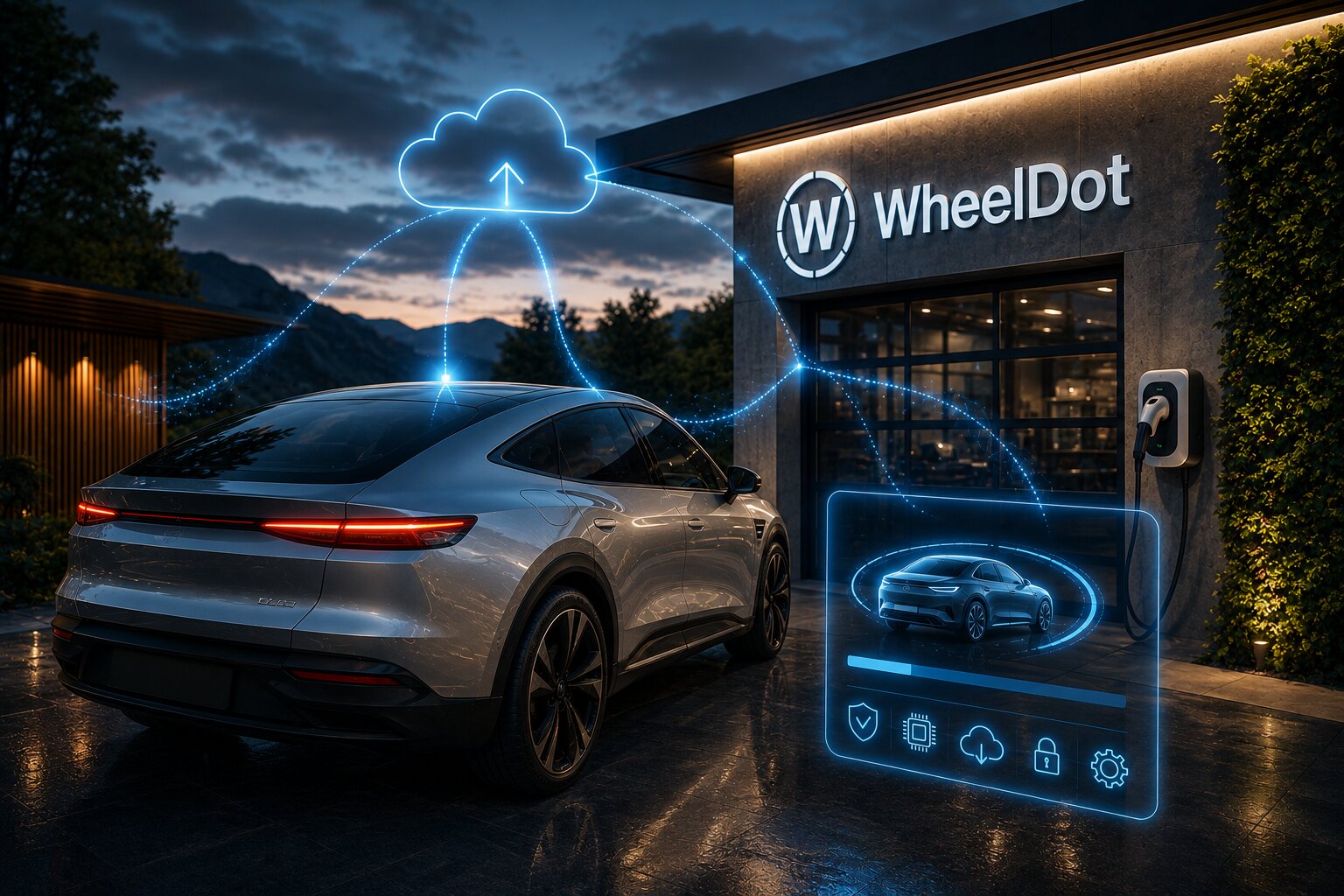
For decades, a car remained essentially the same from the day it left the factory until the end of its life.
Today, that is changing.
Over-the-Air (OTA) updates allow manufacturers to improve vehicle software remotely, without requiring a visit to the workshop.
Through such updates, manufacturers can add:
- New functions
- Fuel consumption improvements
- Multimedia upgrades
- Security fixes
- Better battery or driver assistance system management
The car now continues to evolve even after purchase, much like a smartphone or a computer.
Software-Defined Vehicles: A New Manufacturing Philosophy
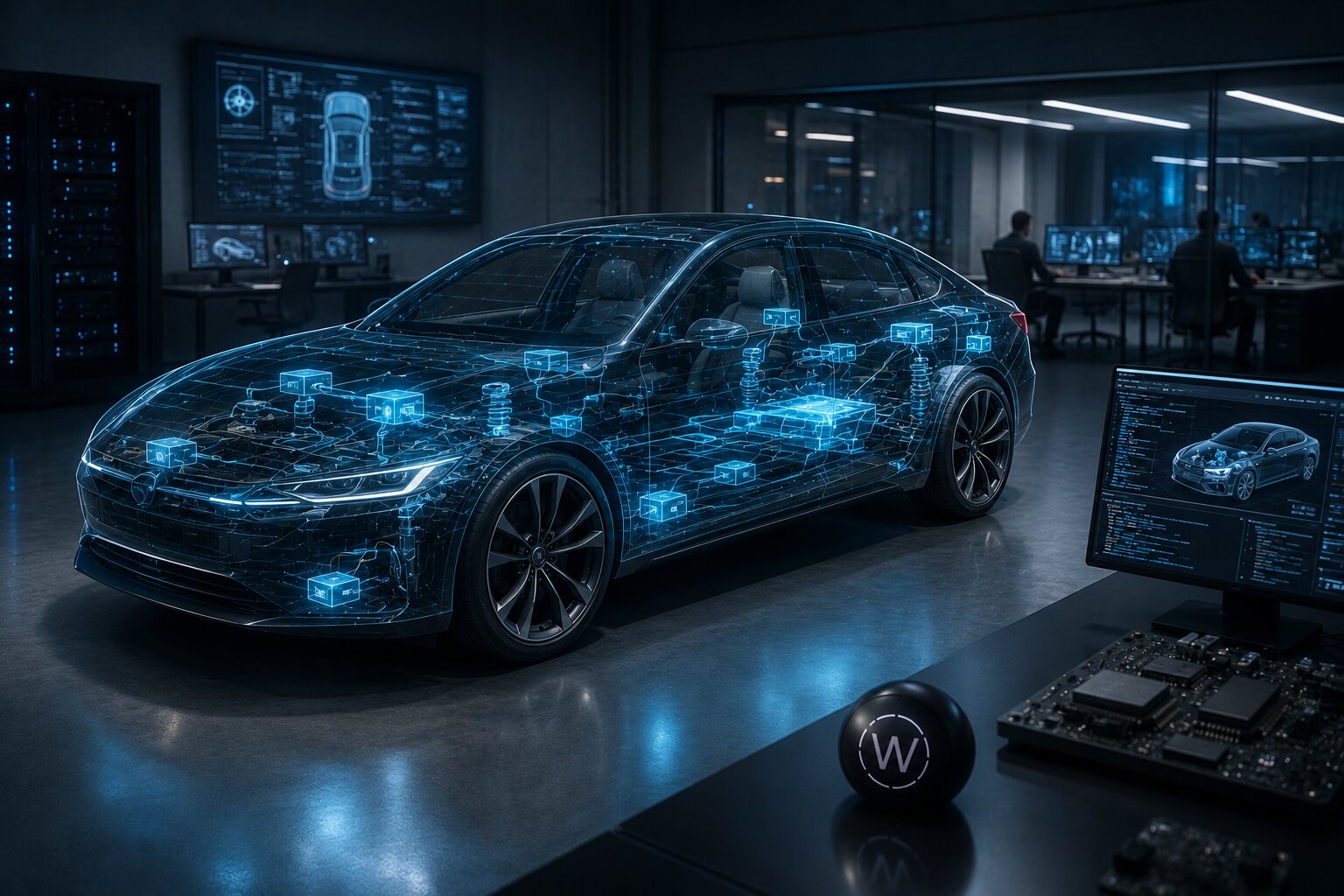
Manufacturers are increasingly using the term Software-Defined Vehicle (SDV).
This philosophy means that a large part of a vehicle’s capabilities is determined by software rather than exclusively by mechanical components.
This enables:
- Easier upgrades
- Better cooperation between all systems
- Faster addition of new features
- A longer technological lifespan for the vehicle
It represents one of the biggest shifts in automotive history and is already influencing the way new vehicle platforms are designed.
Artificial Intelligence Takes the Wheel
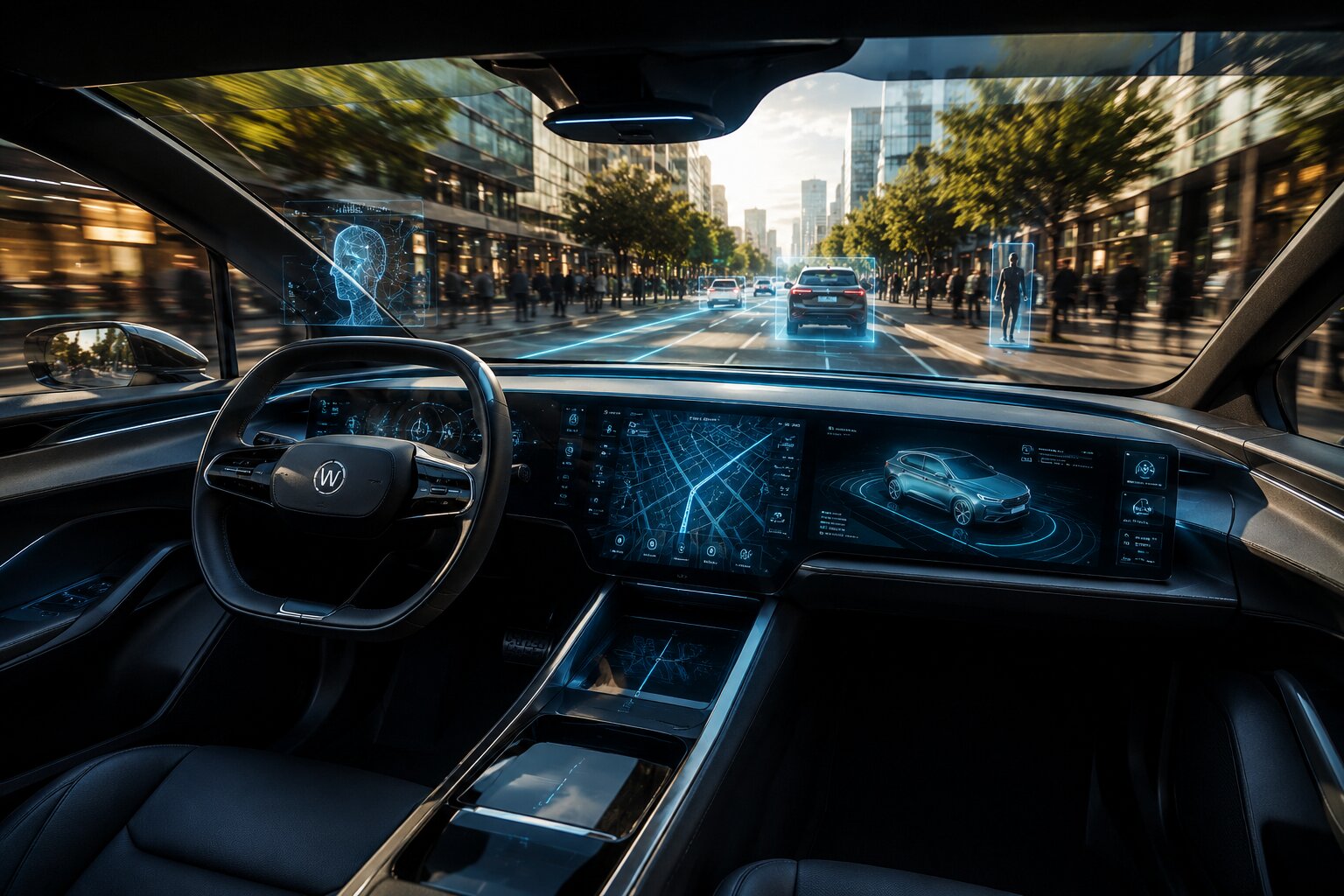
Artificial intelligence is no longer a technology of the future.
It is already present inside modern vehicles.
AI systems continuously analyze data from sensors, cameras, and maps, helping the vehicle recognize pedestrians, cyclists, other vehicles, road signs, and potential hazards.
At the same time, digital assistants are becoming increasingly advanced.
Drivers can use natural language to:
- Adjust climate control
- Plan a route
- Search for points of interest
- Make phone calls
- Manage apps and multimedia systems
In the coming years, AI is expected to offer even more personalized experiences, automatically adjusting the driving position, lighting, music, or even the vehicle’s operating behavior to match each driver’s preferences.
Autonomous Driving: Where Are We Today?
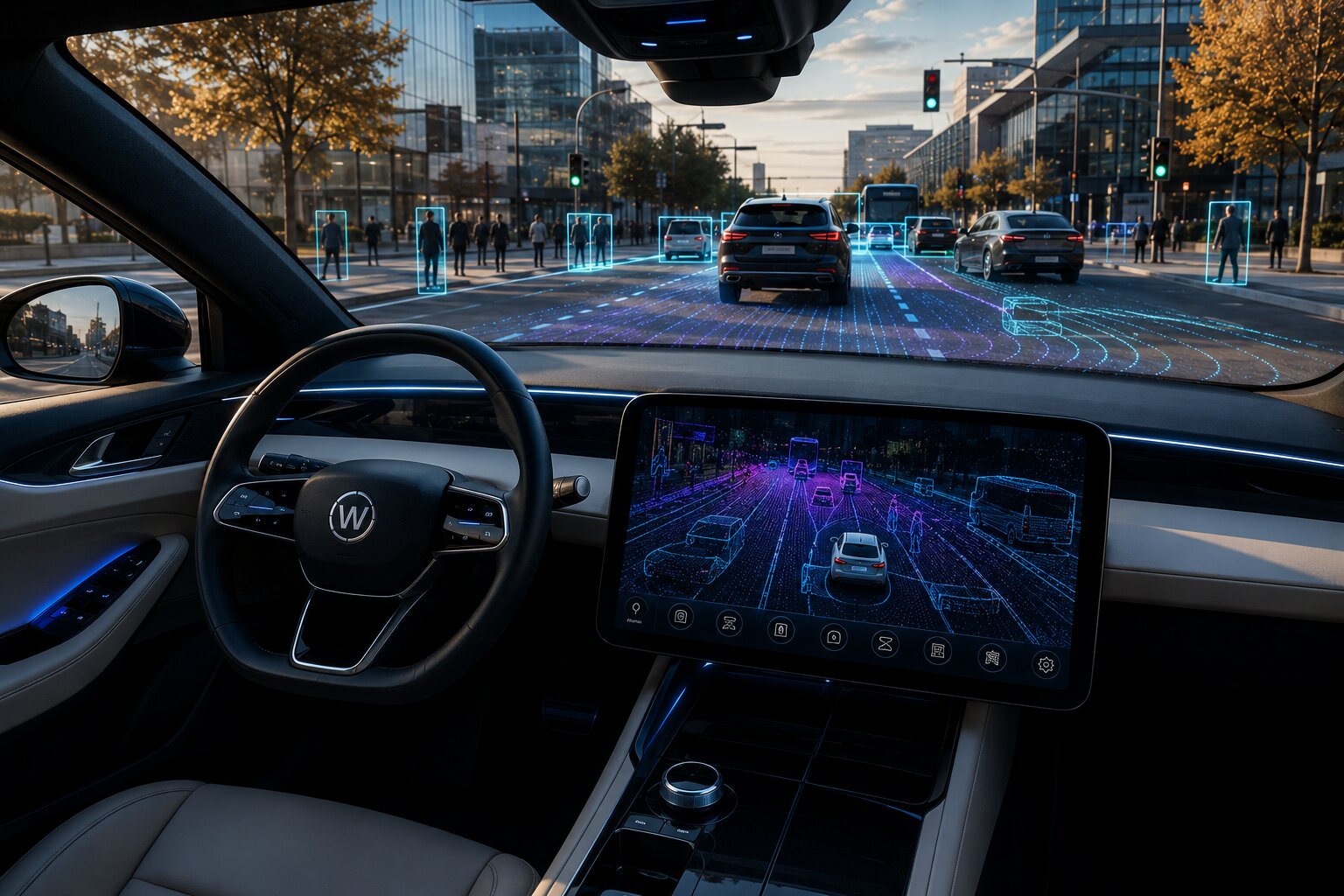
Fully autonomous driving remains one of the automotive industry’s greatest ambitions.
However, it is important to distinguish between different levels of automation.
Most modern cars offer Level 2 capabilities, where the vehicle can accelerate, brake, and stay within its lane under specific conditions, but the driver must remain alert at all times.
Some models have begun offering Level 3 functionality in selected environments, allowing the vehicle to temporarily take over more driving functions. Even so, the widespread adoption of higher levels of automation depends not only on technology, but also on regulation, infrastructure, and public acceptance.
The journey toward fully autonomous driving is evolutionary, not instantaneous.
Vehicle-to-Everything (V2X): When Cars Communicate
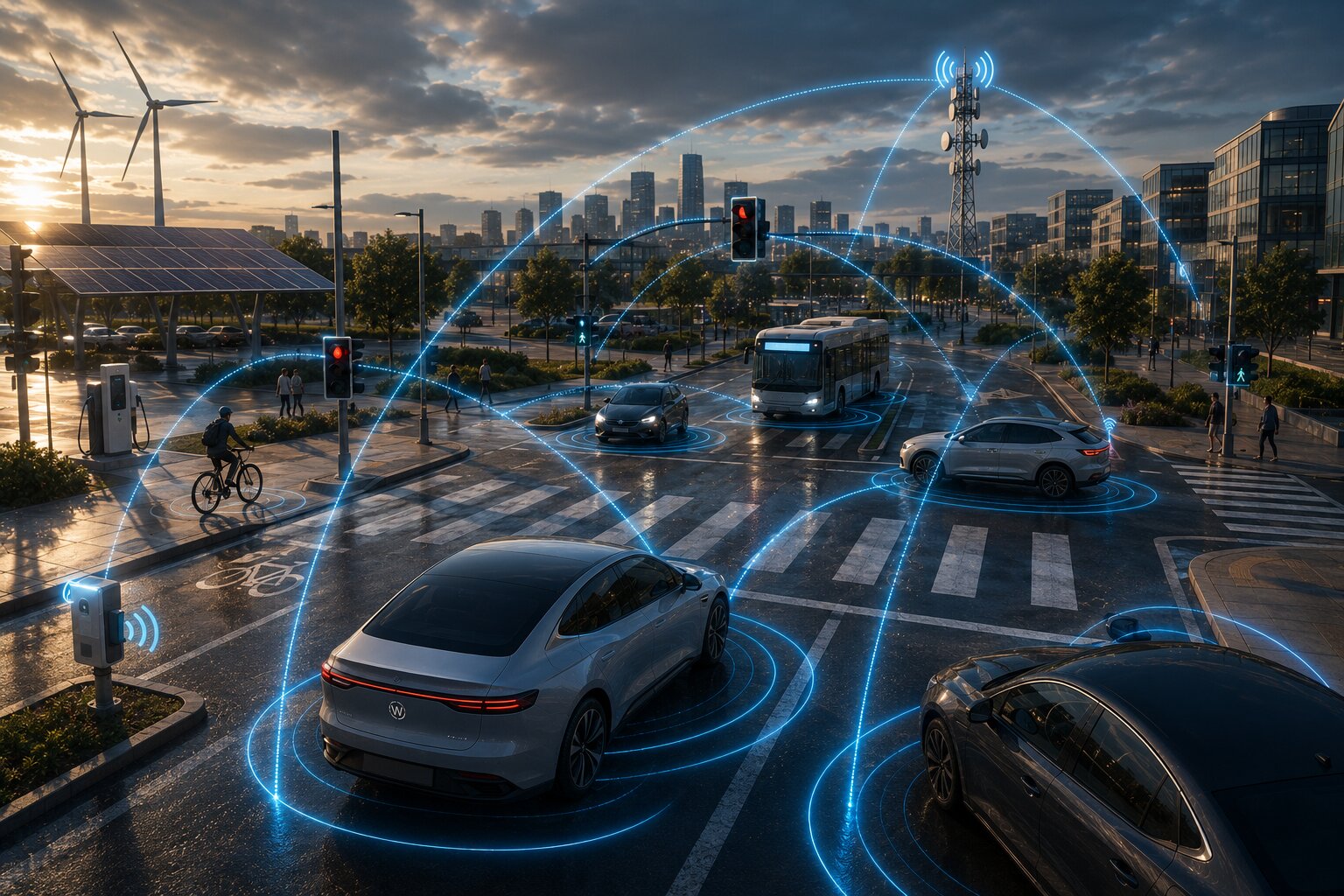
One of the most fascinating chapters of the next decade is the communication between vehicles and their surrounding environment.
Vehicle-to-Everything (V2X) technology enables the exchange of information between vehicles, traffic lights, infrastructure, and other connected systems.
In the future, a car could be warned in advance about:
- An accident a few kilometers ahead
- Slippery road conditions
- Roadworks
- Real-time traffic congestion
- Priority at intersections
The goal is not only greater convenience, but above all fewer accidents and more efficient traffic management.
The Future of the Automobile
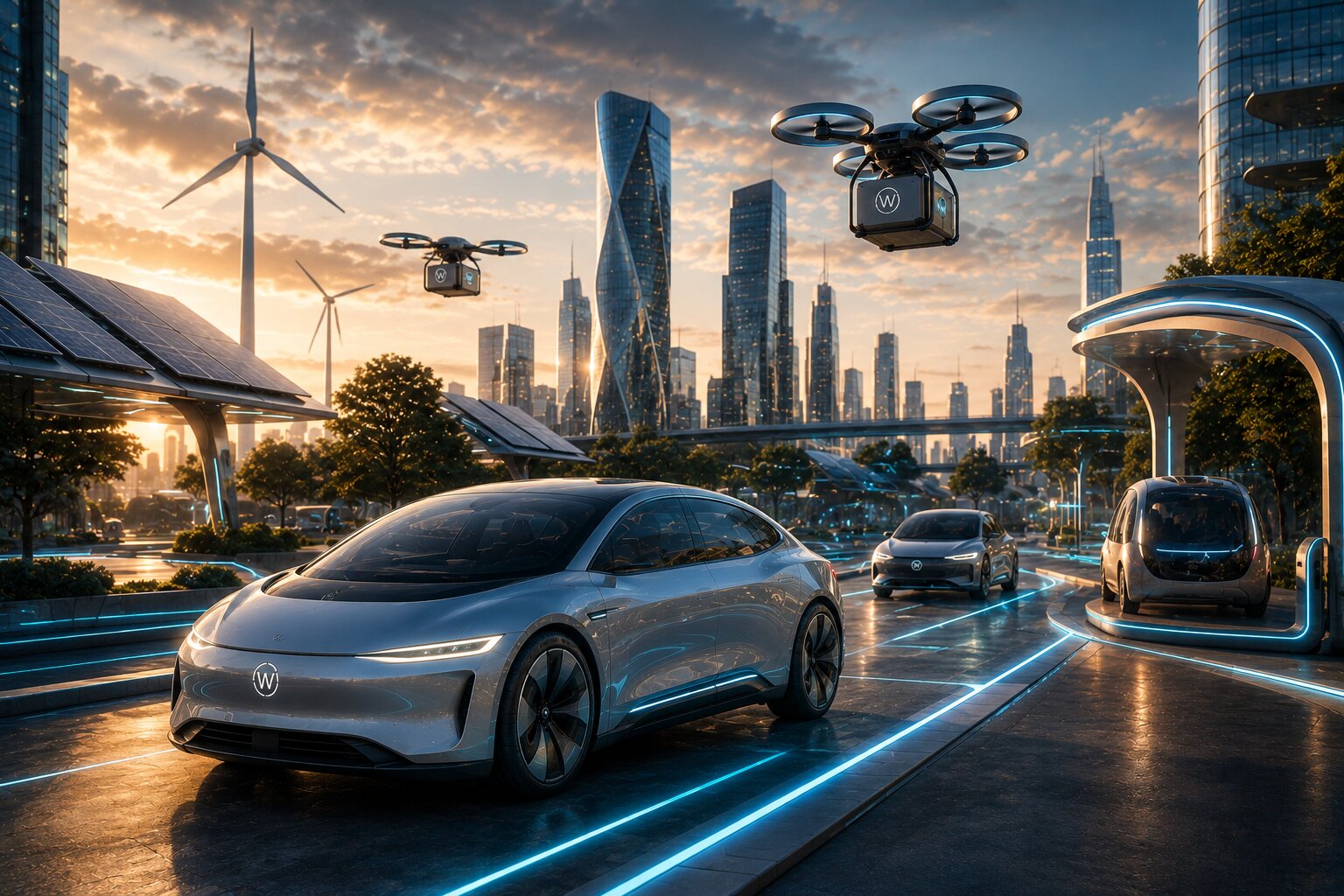
Looking ahead, the coming decades are expected to bring changes just as significant as those witnessed over the past century.
Among the technologies at the center of research are:
- Solid-state batteries with higher energy density and faster charging
- More efficient electric powertrains
- Advanced digital assistants powered by generative artificial intelligence
- More sophisticated autonomous driving systems
- Connected smart cities
- Greater use of recyclable and sustainable materials in manufacturing
The car of the future will likely be less of an isolated machine and more of a node within a broader digital mobility ecosystem.
Conclusion
The history of the automobile is, in many ways, the history of human innovation. In just one century, we have moved from vehicles that required a manual hand crank to start and offered almost no occupant protection to cars equipped with dozens of sensors, powerful computers, millions of lines of software code, and artificial intelligence systems that constantly cooperate with the driver.
Each era left its own mark: mass production made the automobile accessible, safety innovations saved millions of lives, electronics improved performance and reliability, while connectivity and software transformed the vehicle into a continuously evolving platform.
Most importantly, this evolution is far from complete. Electrification, artificial intelligence, connectivity, and cooperation between vehicles and infrastructure show that we are only at the beginning of a new era. The car of the future will not simply be faster or more efficient; it will be smarter, safer, and more deeply integrated into everyday life.
A century after the starting hand crank, the automobile continues to evolve at a remarkable pace. And if the last 100 years have taught us anything, it is that the greatest innovations may still be ahead.